-
Shop
- Advanced Technologies
- AI Skills for Creators & Freelancers
- AI Client Management
- AI Ethics
- AI Mindset
- AI Tools & Prompts
- AI Writing & Content Creation
- Audio, Voice & Music
- Design & Visual Creation
- Email, Messaging & Communication
- Freelancing & Business
- Marketing, Ads & Conversion
- Productivity, Workflow & Automation
- SEO & Search Optimization
- Social Media Content & Growth
- Strategy, Planning & Analytics
- Video Creation & Editing
- AI Skills Mastery 2026 Collection
- Bathroom
- Best-Sellers
- Car Accessories
- Confidence
- Dating & Social Skills
- Digital Resources
- Easter Products
- Education & Learning
- Family & Parenting
- Fashion
- Fashion Accessories
- Furniture
- Gadgets
- Health & Beauty
- Health & Wellness
- Home & Garden
- Home Electronics
- Home Supplies
- Jewelry
- Kids & Babies
- Kitchen
- Lighting
- Patio, Lawn & Garden
- Personal Growth
- Pet Care
- Pet Supplies
- Pets
- Shoes
- Smart Home Living Guides
- Sport & Outdoors
- Stress Relief & Relaxation
- Super Deals
- TikTok Growth & Monetization Mastery
- Travel
- Travel & Adventure
- Wealth
- Wellness
10 Everyday Makeup Mistakes (and Easy Fixes)
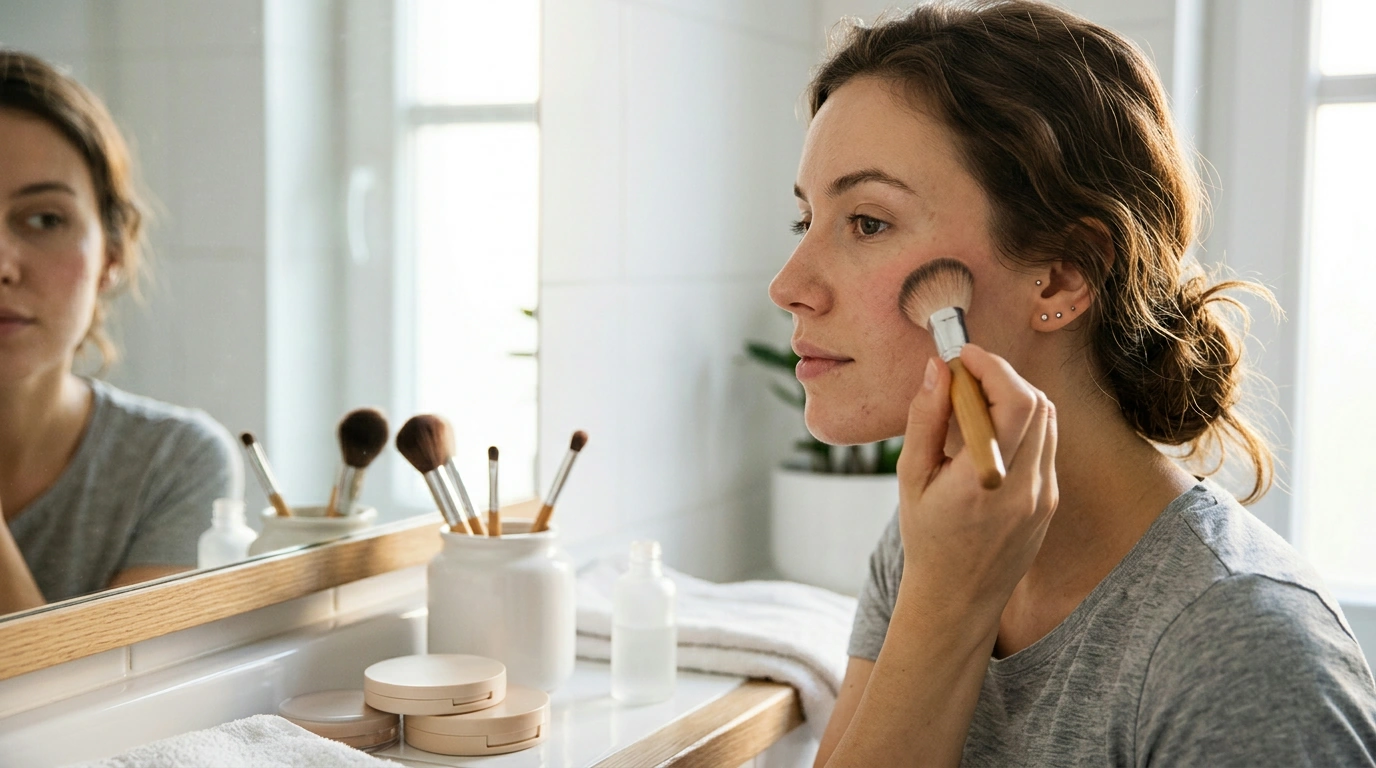
Avoid These Makeup Mistakes for Flawless Everyday Makeup
Small technique slips can make even great products look patchy, cakey, or uneven. This guide breaks down the most common everyday makeup mistakes—why they happen, what they look like on the skin, and simple fixes that improve finish, wear time, and overall balance without adding extra steps.
1) Skipping skin prep (or using the wrong kind)
Common signs: foundation clings to dry spots, separates around the nose, or looks dull within an hour. Everyday makeup looks best on a calm, hydrated surface—without being slippery.
- Fix: match prep to skin type—light gel hydration for oily skin, richer cream for dry skin, and barrier-friendly moisturizer for sensitive skin.
- Let skincare set for 3–5 minutes before makeup; sunscreen often needs a little extra time to dry down. The FDA’s guidance on sunscreen basics is a helpful reference: https://www.fda.gov/drugs/understanding-over-counter-medicines/sunscreen-qas.
- Blot excess skincare with a tissue instead of “fixing” later with more powder.
2) Using too much primer—or the wrong formula pairing
Primer can be a lifesaver, but too much (or the wrong pairing) can cause pilling, sliding, and texture.
- Mistake: layering a silicone-heavy primer under a water-based foundation can increase pilling or slipping.
- Fix: keep primer thin and targeted—pores (T-zone), texture (cheeks), or redness (around the nose).
- If makeup pills, reduce layers, switch to compatible base formulas, and apply using gentle patting instead of rubbing.
3) Choosing the wrong foundation shade and undertone
A flawless base starts with the right undertone, not just the right depth. Indoor lighting can fool you—fast.
- Mistake: matching to the wrist or relying on a single swipe on the jaw without checking in daylight.
- Fix: test 2–3 shades along the jaw/neck and check after 5–10 minutes (oxidation can deepen color).
- Undertone check: pink/red = cool, golden/yellow = warm, mix/olive = neutral or olive. Pick undertone first, depth second.
- If you’re between shades, slightly lighter is easier to warm up with bronzer than dark shades are to correct.
4) Over-applying base products (concealer, foundation, powder)
The most “real-life” base usually uses less product in fewer places. Heavy layers emphasize texture and create creases that weren’t visible bare-faced.
- Mistake: building coverage everywhere instead of spot-correcting leads to heavy texture and creasing.
- Fix: use thin layers—apply foundation where needed (center of face) and sheer outward.
- Concealer: place tiny dots at the inner corner and shadowed areas, then blend outward; avoid coating the entire under-eye.
- Powder: press lightly only where makeup breaks down (sides of nose, under eyes if needed, chin); avoid over-baking for everyday wear.
Quick Fixes for Common Base Issues
| Problem | Likely Cause | Fast Fix |
|---|---|---|
| Cakey under-eyes | Too much concealer/powder; dehydration | Use half the concealer amount; mist, then press with a damp sponge; powder only the crease line |
| Foundation separating | Too much skincare/primer; incompatible formulas | Blot prep; apply thinner layers; match water-based with water-based or silicone with silicone |
| Patchy coverage on cheeks | Dryness or over-blending | Prep with moisturizer; stipple instead of swiping; add micro-layers only where needed |
| Shiny within 1–2 hours | Powder placed everywhere; no targeted control | Powder only T-zone; use blotting paper first, then minimal powder touch-up |
5) Applying blush, bronzer, and contour in the wrong placement
Placement changes your whole face shape. A few millimeters too low can make features look dragged down, even if the color is perfect.
- Mistake: contour too low can pull the face downward; blush too close to the nose can exaggerate redness.
- Fix: place bronzer where the sun hits (temples, upper cheek, perimeter). Keep contour slightly higher and subtler than bronzer.
- Blush lift: apply higher on the cheekbone and blend toward the temple; for a rounder effect, keep on the apples but blend softly outward.
- Use tools that match the job: fluffy brush for diffused color; small angled brush for controlled contour.
6) Harsh brows or mismatched brow color
Brows frame everything. Over-dark or blocky brows can make a fresh everyday face look heavy—especially in daylight.
7) Eyeshadow fallout, muddy blending, and unbalanced eye looks
8) Eyeliner and mascara mistakes that close off the eyes
9) Lip liner issues: overlining that looks obvious or uneven
10) Not locking makeup in (or overdoing setting)
A simple everyday routine that avoids most mistakes
- Prep: cleanse, moisturize, SPF; wait for dry down. The American Academy of Dermatology’s skin care basics can help refine the routine: https://www.aad.org/public/everyday-care/skin-care-basics.
- Base: spot-conceal first, then a thin foundation layer only where needed; set strategically.
- Color: bronzer/contour high and soft; blush placed for lift; highlight sparingly.
- Finish: brush through brows, keep liner thin, curl lashes, and lock in with a light setting step.
Shop the Tools & Guides (In Stock)
- Avoid These Makeup Mistakes – Pro Beauty Guide | What Makeup Mistakes to Avoid for Flawless Everyday Makeup ($8.99)
- Triple-Sided Ultra-Fine Soft Bristle Toothbrush for Enhanced Oral Health ($1.52) (helpful for keeping hands and tools cleaner around the sink area during prep)
Pro Beauty Guide: quick reference checklist
FAQ
Why does my foundation look cakey even when I use expensive products?
It’s usually too much product, dehydrated skin, or heavy powder. Use thinner layers, let skincare set, and powder only where you actually crease or get oily.
How can under-eye concealer stop creasing during the day?
Use less concealer and apply it only where the shadow is deepest, then blend with a damp sponge. Set minimally—just a touch of powder on the crease line instead of baking.
What’s the easiest way to make makeup look more natural in daylight?
Scale back coverage, match undertone carefully, and lean into satin or cream textures. If you used powder, a light mist and gentle pressing can help everything look more skin-like.
Recommended for you



Was this article helpful?
Yes
No









Leave a comment