-
Shop
- Advanced Technologies
- AI Skills for Creators & Freelancers
- AI Client Management
- AI Ethics
- AI Mindset
- AI Tools & Prompts
- AI Writing & Content Creation
- Audio, Voice & Music
- Design & Visual Creation
- Email, Messaging & Communication
- Freelancing & Business
- Marketing, Ads & Conversion
- Productivity, Workflow & Automation
- SEO & Search Optimization
- Social Media Content & Growth
- Strategy, Planning & Analytics
- Video Creation & Editing
- AI Skills Mastery 2026 Collection
- Bathroom
- Best-Sellers
- Car Accessories
- Confidence
- Dating & Social Skills
- Digital Resources
- Easter Products
- Education & Learning
- Family & Parenting
- Fashion
- Fashion Accessories
- Furniture
- Gadgets
- Health & Beauty
- Health & Wellness
- Home & Garden
- Home Electronics
- Home Supplies
- Jewelry
- Kids & Babies
- Kitchen
- Lighting
- Patio, Lawn & Garden
- Personal Growth
- Pet Care
- Pet Supplies
- Pets
- Shoes
- Smart Home Living Guides
- Sport & Outdoors
- Stress Relief & Relaxation
- Super Deals
- TikTok Growth & Monetization Mastery
- Travel
- Travel & Adventure
- Wealth
- Wellness
Eco-Soft Pocket Cloth Diaper: Easy Fit, Less Waste
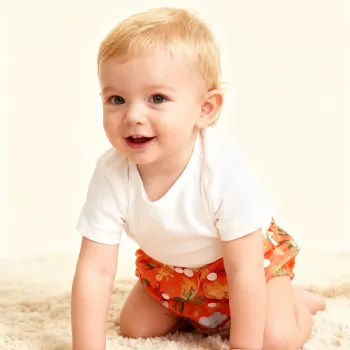
Eco-Soft Reusable Pocket Cloth Diaper: Everyday Comfort, Simple Fit, Less Waste
Designed for busy routines and gentle care, the Eco-Soft Reusable Pocket Cloth Diaper combines a soft feel with an easy pocket-insert system. It’s a practical option for families who want reliable absorbency, a flexible fit, and fewer single-use diaper purchases over time.
What Makes a Pocket Cloth Diaper Different
Pocket cloth diapers are built around a straightforward idea: an outer shell with an opening (the “pocket”) that holds absorbent inserts. That pocket design lets you adjust how much absorbency you use, depending on your baby’s needs and your day’s schedule.
- Pocket design: Add one insert for lighter wetters or daytime, then add a booster or second insert for naps, longer outings, or higher output.
- Stay-dry feel (material-dependent): Many pocket diapers use an inner layer that helps pull moisture away from skin; exact performance depends on the specific inner fabric.
- Faster drying than all-in-ones: Because the inserts and shell can be separated, wash day often goes more smoothly and drying times are typically shorter.
- Easy to customize: Change insert type, thickness, or layering to match your baby’s age, feeding stage, and routines.
Eco-Soft Diaper Overview
The Eco-Soft Reusable Pocket Cloth Diaper is a reusable pocket diaper designed for repeat washing and daily rotation. It’s a budget-friendly way to build a starter cloth routine without committing to an expensive system upfront.
- Reusable pocket diaper style made for regular laundering and repeated wear.
- Accessible price point, making it easier to assemble a practical stash over time.
- Works for common scenarios like daytime changes, travel with a wet bag, and (when accepted) daycare.
- For current availability and specs, see the product page: https://ulorin.com/eco-soft-reusable-pocket-cloth-diaper/.
Comfort and Skin-Friendly Use
Comfort usually comes down to two things: a soft surface and a correct fit. When a diaper sits smoothly in the leg creases and is changed on a consistent rhythm, many babies do well in reusable pocket diapers.
- Soft feel helps reduce chafing: Any diaper can irritate skin if it rubs or stays wet too long, so proper sizing and regular changes matter.
- Quick insert swaps: Pocket diapers make it easy to replace absorbency fast—helpful when you want baby to feel dry again without rebuilding the whole diaper.
- Sensitive skin basics: Use a fragrance-free detergent, skip heavy fabric softeners, and rinse thoroughly to reduce residue that can contribute to irritation.
- Barrier creams and liners: If you use a thicker cream, a liner can help protect inserts from buildup that can reduce absorbency.
If you’re managing redness or recurring irritation, it can help to review pediatric guidance for diaper rash prevention and care from the American Academy of Pediatrics.
Fit and Leak Prevention Basics
Leaks aren’t always an absorbency problem. In pocket diapers especially, the seal around the legs and waist is often the first place to troubleshoot.
- Leg seal first: A snug (not tight) seal around the legs prevents gaps. Check that elastics aren’t tucked inward and that the diaper sits in the “bikini line,” not down on the thighs.
- Two-finger waist test: Aim for a secure waist you can comfortably fit two fingers under. Too tight can cause red marks and doesn’t necessarily stop leaks.
- Compression leaks: Car seats and highchairs can squeeze inserts. Instead of over-tightening, consider a higher-capacity insert or a booster.
- Target the absorbency: If wetness appears at the front, add absorbency up front; if it’s at the back, shift absorbency toward the rear.
Quick Troubleshooting Guide
| Issue | Common cause | Fast fix |
|---|---|---|
| Leaks at legs | Loose leg seal or improper rise | Adjust rise and leg snaps; check for tucked-in elastics |
| Leaks after 1–2 hours | Not enough absorbency | Add a booster or use a higher-absorbency insert |
| Wicking at waist | Clothing rubbing or saturated insert | Use a cover-friendly fit; change sooner; add absorbency |
| Ammonia smell | Detergent buildup or insufficient wash routine | Review wash steps; ensure proper detergent and rinse |
Absorbency Options: Inserts and Layering
With pocket diapers, inserts do most of the heavy lifting. The same shell can perform very differently depending on what you place inside.
Washing and Care Routine That Works
Cost and Waste: What to Expect Over Time
Cloth systems can reduce how many single-use diapers you buy and how much diaper waste ends up in the trash. The U.S. Environmental Protection Agency highlights “reduce” and “reuse” as core waste-reduction strategies—reusables align naturally with that approach.
When a Pocket Diaper Is a Great Fit (and When It’s Not)
Helpful Add-Ons for Everyday Routines
- Eco-Soft Reusable Pocket Cloth Diaper for adjustable absorbency and repeat use.
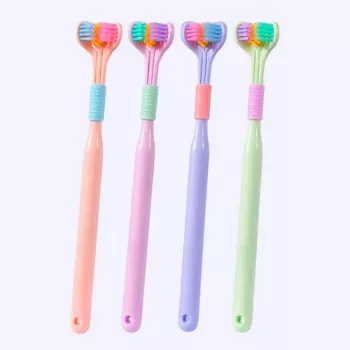
- Triple-Sided Ultra-Fine Soft Bristle Toothbrush for Enhanced Oral Health for a quick, gentle oral-care routine.
- Universal Car Steering Wheel Phone Mount for Safe Navigation for hands-free navigation during errands and daycare drop-offs.
FAQ
How many pocket cloth diapers are needed to get started?
For part-time cloth, a starter range of about 6–10 pocket diapers can work if you wash every 1–2 days. For full-time cloth, many families prefer around 20–30 diapers to reduce laundry pressure, plus extra inserts or boosters for naps and longer stretches.
Can pocket diapers be used overnight?
Yes, but many babies need extra absorbency overnight compared with daytime. Layer a fast-absorbing insert on top with a higher-capacity insert or booster underneath, confirm a snug leg seal, and put on a fresh, boosted diaper right before bedtime.
What’s the simplest way to wash reusable pocket diapers?
Keep it basic: a short pre-wash to remove soil, followed by a main wash with detergent on warm/hot according to care guidance. Separate inserts from shells, avoid fabric softeners, and dry thoroughly (air-dry shells if needed to protect elastics, and dry inserts fully for best performance).
Recommended for you


Was this article helpful?
Yes
No









Leave a comment