-
Shop
- Advanced Technologies
- AI Skills for Creators & Freelancers
- AI Client Management
- AI Ethics
- AI Mindset
- AI Tools & Prompts
- AI Writing & Content Creation
- Audio, Voice & Music
- Design & Visual Creation
- Email, Messaging & Communication
- Freelancing & Business
- Marketing, Ads & Conversion
- Productivity, Workflow & Automation
- SEO & Search Optimization
- Social Media Content & Growth
- Strategy, Planning & Analytics
- Video Creation & Editing
- AI Skills Mastery 2026 Collection
- Bathroom
- Best-Sellers
- Car Accessories
- Confidence
- Dating & Social Skills
- Digital Resources
- Easter Products
- Education & Learning
- Family & Parenting
- Fashion
- Fashion Accessories
- Furniture
- Gadgets
- Health & Beauty
- Health & Wellness
- Home & Garden
- Home Electronics
- Home Supplies
- Jewelry
- Kids & Babies
- Kitchen
- Lighting
- Patio, Lawn & Garden
- Personal Growth
- Pet Care
- Pet Supplies
- Pets
- Shoes
- Smart Home Living Guides
- Sport & Outdoors
- Stress Relief & Relaxation
- Super Deals
- TikTok Growth & Monetization Mastery
- Travel
- Travel & Adventure
- Wealth
- Wellness
Dog Daycare Pros & Cons: How to Choose Safely
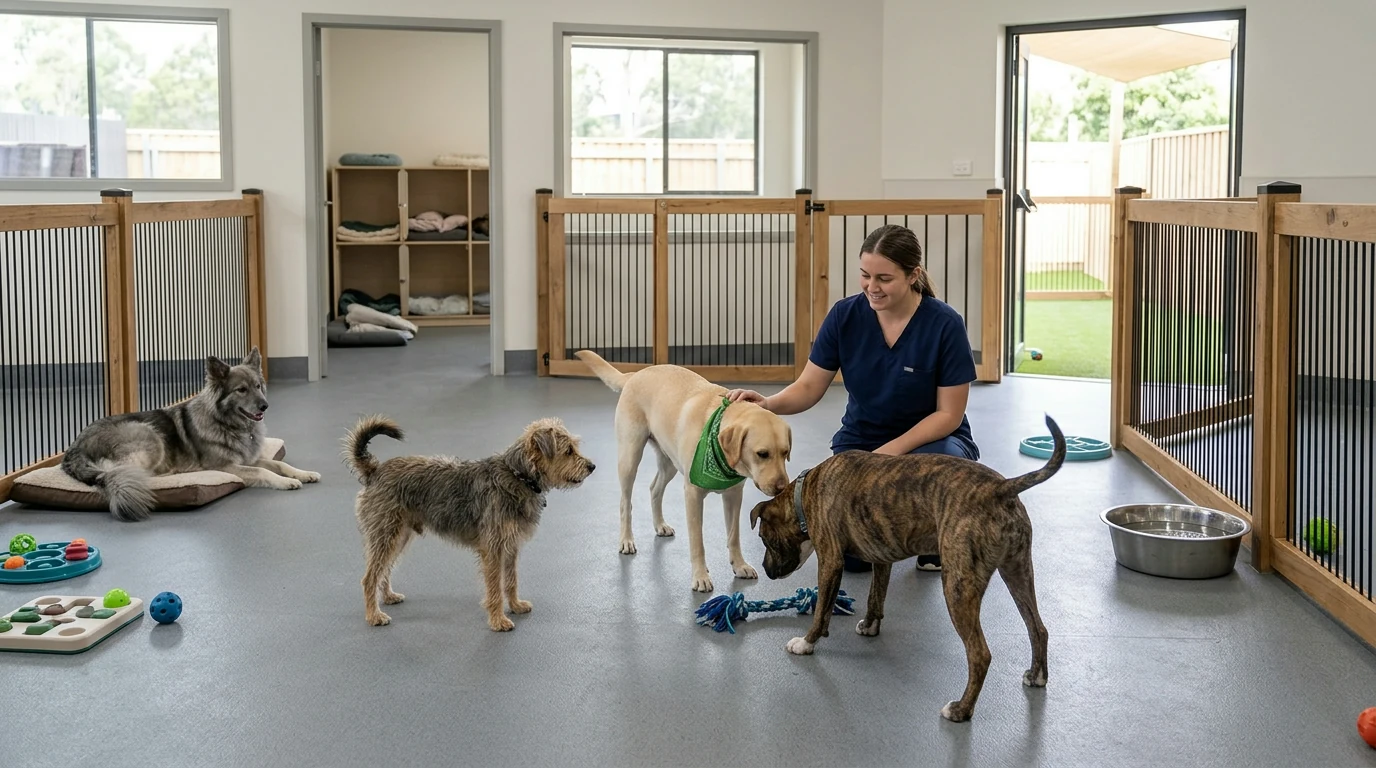
Dog Daycare Pros and Cons: A Practical Guide for Smart, Safe Choices
Dog daycare can be a fantastic outlet for energy, enrichment, and companionship—or a stressful mismatch that leads to illness, injuries, or new bad habits. The difference usually comes down to fit (the individual dog) and quality (the facility’s management). Below is a practical breakdown of what daycare really is, when it helps, when it backfires, and how to compare options so the choice feels clear instead of guilt-driven.
What Dog Daycare Actually Is (and What It Isn’t)
Dog daycare is daytime supervision for dogs while pet parents work or are away. Most programs include group play, rest breaks, potty routines, and staff monitoring. Depending on the facility, you might see open-play groups, structured play blocks, indoor/outdoor rotations, enrichment-based programs, or separate “small dog” and “quiet” rooms.
Daycare isn’t the same as overnight boarding, a training class, or a public dog park. Boarding adds nighttime staffing and sleeping arrangements. Training classes focus on skill-building with the handler. Dog parks often have minimal screening and inconsistent supervision, which can increase the chance of conflict or chaos.
Quality varies widely. Fancy flooring and cute report cards matter far less than staff ratios, screening, group management, sanitation, and emergency readiness.
Pros: When Daycare Helps Dogs Thrive
Healthy physical outlet
For young, active, or high-drive dogs, supervised play can drain energy that might otherwise show up as pacing, chewing, or “zoomies” at home. The best programs balance movement with planned breaks so dogs don’t hit an exhausted, over-aroused state.
Mental stimulation beyond a normal day
Novel smells, short enrichment games, rotation between spaces, and puzzle feeding can reduce boredom-related behaviors. Some dogs come home pleasantly tired and more able to settle the next day.
Social learning (for the right dog)
With careful grouping and skilled staff intervention, some dogs improve their communication—learning how to approach, disengage, and respect boundaries. This works best when play styles are matched and staff actively redirect pushy behavior early.
Routine support and convenience
Consistent potty breaks and predictable rest periods can help certain dogs develop a calmer daily rhythm. For pet parents, daycare can reduce mid-day schedule stress and provide peace of mind during long workdays.
If you want a deeper checklist for evaluating fit, policies, and red flags, the Dog Daycare Pros and Cons – Practical Guide for Pet Parents | Smart Decisions About Daycare, Socialization, Costs & Care is a handy reference to keep on hand when touring facilities.
Cons: Common Downsides and How They Show Up
Overstimulation and stress
Injuries from rough play or mismatches
Higher illness exposure
Close contact increases the risk of respiratory and GI bugs, even with excellent cleaning. Facilities reduce risk through vaccine rules, ventilation, sanitation, and quick isolation protocols, but no group setting is zero-risk. For general pet health and hygiene basics, the CDC Healthy Pets, Healthy People resources are a solid primer.
Reinforced bad habits
It’s not ideal for every temperament (or every life stage)
Cost creep
Is Daycare a Good Fit? A Quick Decision Framework
Dogs that typically need specialized support before group daycare include those with a bite history, intense dog aggression, extreme fearfulness, or fragile seniors with significant pain. If fear or aggression is involved, professional guidance matters; the AVMA pet owner behavior resources are a helpful starting point for understanding socialization and stress signals.
What Quality Daycare Looks Like (Facility, Staff, Safety)
Clear screening and health rules
Look for behavior assessments, vaccine requirements, parasite prevention policies, and transparent rules about intact dogs. Vaccine needs vary by region and facility; the AAHA canine vaccination guidelines provide context to discuss with your vet.
Real group management
Enforced rest is non-negotiable
Cleanliness and sick-dog protocols
Handling skills and emergency readiness
Transparency
Costs, Value, and How to Compare Options
| Option | Best for | Common drawbacks | Typical cost drivers |
|---|---|---|---|
| Dog daycare (group) | Social dogs needing daytime activity and supervision | Illness exposure, overstimulation, rough play risk | Location, staffing ratios, packages, add-ons |
| Dog walker (midday visit) | Dogs that prefer calm routines or limited dog interaction | Less social time, depends on walker reliability | Visit length, number of dogs walked, travel fees |
| In-home pet sitter | Dogs that do best in their own environment | Availability, higher cost for long coverage | Hours covered, overnight care, holidays |
| Enrichment at home (DIY) | Dogs comfortable alone for shorter periods | Requires planning; not suitable for long workdays | Puzzle toys, rotation of activities, setup time |
Getting a Dog Ready for Daycare (and Tracking Results)
For pet parents who want safe drop-offs and pickups with less distraction, a simple car setup can help: Universal Car Steering Wheel Phone Mount for Safe Navigation. And for quick post-daycare freshening at home, keep basics stocked like a soft, gentle toothbrush option for human use: Triple-Sided Ultra-Fine Soft Bristle Toothbrush for Enhanced Oral Health.
When Daycare Isn’t the Best Choice: Better-Fit Alternatives
FAQ
How many days a week should a dog go to daycare?
Start with 1 day per week and increase only if your dog shows sustained benefits (calmer at home, normal sleep and appetite) without stress signals. Many dogs do best with rest days between daycare visits.
What vaccines are usually required for dog daycare?
Most facilities require core vaccines like rabies and a distemper/parvo combination, plus Bordetella; some also require canine influenza depending on region. Confirm requirements with the daycare and your veterinarian based on your dog’s health status and local risk.
How can pet parents tell if daycare is stressing their dog out?
Common signs include refusal at drop-off, freezing or shutting down, excessive panting or drooling, diarrhea, coughing, new reactivity, clinginess, or poor recovery sleep. Discuss patterns with staff and reduce frequency or switch to a calmer setup if stress persists.
Recommended for you



Was this article helpful?
Yes
No









Leave a comment