-
Shop
- Advanced Technologies
- AI Skills for Creators & Freelancers
- AI Client Management
- AI Ethics
- AI Mindset
- AI Tools & Prompts
- AI Writing & Content Creation
- Audio, Voice & Music
- Design & Visual Creation
- Email, Messaging & Communication
- Freelancing & Business
- Marketing, Ads & Conversion
- Productivity, Workflow & Automation
- SEO & Search Optimization
- Social Media Content & Growth
- Strategy, Planning & Analytics
- Video Creation & Editing
- AI Skills Mastery 2026 Collection
- Bathroom
- Best-Sellers
- Car Accessories
- Confidence
- Dating & Social Skills
- Digital Resources
- Easter Products
- Education & Learning
- Family & Parenting
- Fashion
- Fashion Accessories
- Furniture
- Gadgets
- Health & Beauty
- Health & Wellness
- Home & Garden
- Home Electronics
- Home Supplies
- Jewelry
- Kids & Babies
- Kitchen
- Lighting
- Patio, Lawn & Garden
- Personal Growth
- Pet Care
- Pet Supplies
- Pets
- Shoes
- Smart Home Living Guides
- Sport & Outdoors
- Stress Relief & Relaxation
- Super Deals
- TikTok Growth & Monetization Mastery
- Travel
- Travel & Adventure
- Wealth
- Wellness
Cozy Striped Newborn Romper: Fit, Layers, Care Tips
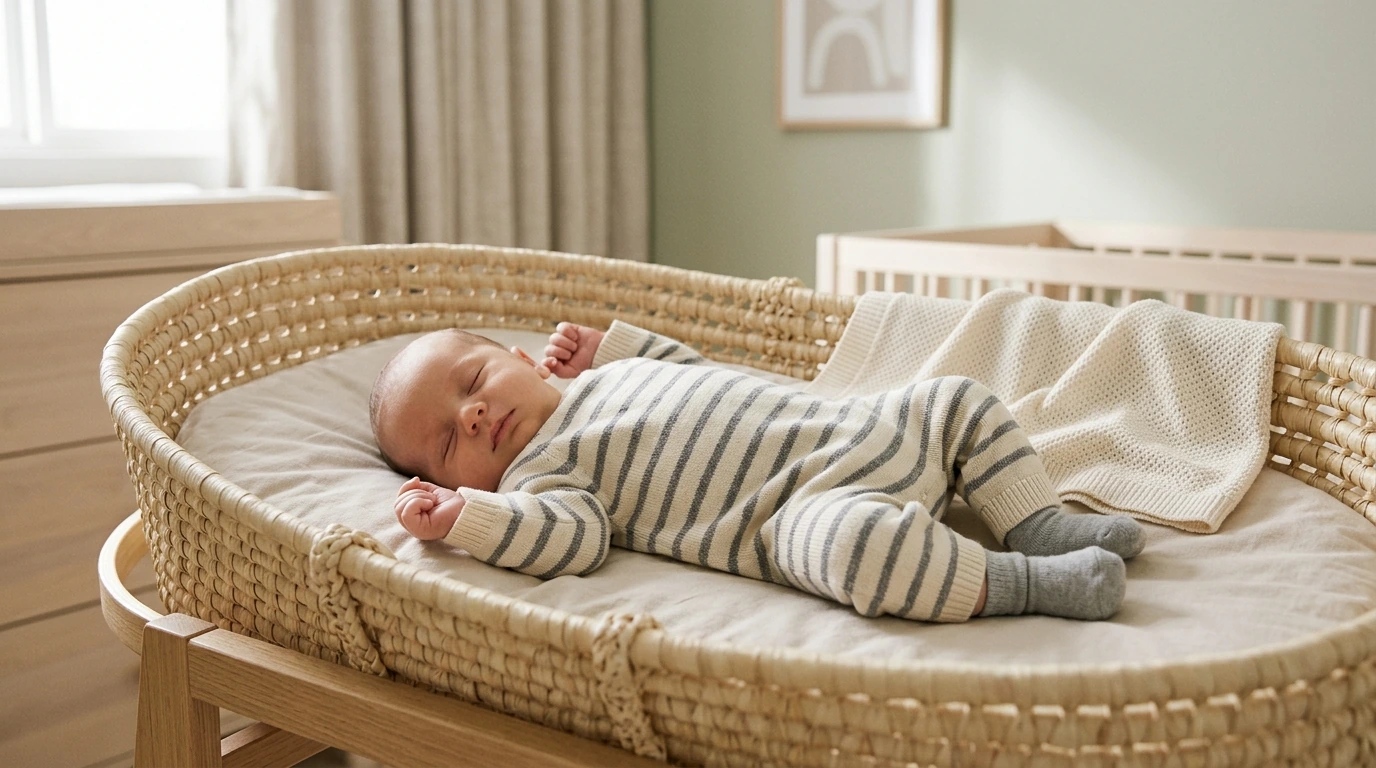
Cozy Striped Newborn Baby Romper: Soft Layers for Everyday Snuggles
A striped romper can be a simple, reassuring layer for a newborn—easy to wear, gentle on skin, and practical for frequent changes. The right one feels soft against delicate skin, breathes well during naps, and stays comfortable through cuddles, stroller walks, and quick photo moments. Below are the comfort details that matter most, how to use a romper across the day, and the care steps that help it stay plush wash after wash.
What Makes a Newborn Romper Feel Truly Cozy
Newborn comfort comes down to small details that keep baby calm and reduce fuss during dressing. A cozy romper should feel smooth, flex with every stretch and kick, and avoid “scratch points” around the neck, seams, and leg openings.
- Soft-to-the-touch fabric that stays comfortable against delicate skin, especially on the chest and belly where baby rests most.
- Breathability that helps reduce overheating during naps and contact snuggles.
- Stretch and recovery so it moves with baby without sagging at the seat or bunching around the midsection.
- Smooth interior seams and a non-scratchy neckline for all-day wear.
- A cut with diaper room so the romper doesn’t ride up or pull tight at the hips during changes.
Striped Style That Works for Photos and Daily Wear
Stripes are a classic for a reason: they look polished without feeling “fussy.” They also pair naturally with most baby basics, so a single romper can cover everyday wear and those quick “just one photo” moments.
- Classic look that layers well under cardigans, swaddles, or a lightweight blanket.
- Simple pattern that lets tiny details stand out in milestone photos (hands, cheeks, and sleepy expressions).
- Easy pairing with neutral socks, booties, and soft hats.
- Gift-friendly style that works across many nursery themes and seasons.
Fit and Comfort Checklist for Newborns
A newborn romper should feel relaxed but secure—never tight at the neck or legs, and never so loose that fabric shifts into baby’s face. After the first wear, a quick check for marks and bunching can prevent irritation later.
- Relaxed torso fit so breathing and gentle tummy expansion stay comfortable.
- Leg openings that aren’t tight; watch for red marks after wear.
- Easy neckline that opens without forcing fabric over baby’s head.
- Room to grow (slightly roomier can extend wear) as long as it stays safe and doesn’t gape.
- Layering plan for cooler rooms—add a light layer instead of choosing an overly thick base outfit.
| Check | What to look for | Why it matters |
|---|---|---|
| Neckline | Opens smoothly; lies flat | Reduces fuss during dressing and prevents rubbing |
| Seams | No rough edges inside | Helps avoid irritation on sensitive skin |
| Diaper room | Extra space at seat | Prevents tightness and makes changes easier |
| Leg openings | No pinching; gentle elastic | Comfortable circulation and movement |
| Layering | Room for a onesie underneath | More flexible across temperature changes |
Easy Changes: Features That Make a Difference
Diaper changes happen a lot, and a romper that cooperates can turn a stressful moment into a quick reset. Look for designs that open wide and stay flat once fastened—especially if baby is sleepy or wiggly.
- Convenient closures positioned for quick diaper checks and fast outfit changes.
- Wide opening design that reduces tugging on arms and legs.
- Secure fasteners that keep fabric smooth during sleep and prevent scratchy edges.
- Dependable everyday piece that simplifies packing for appointments and short outings.
When and How to Wear It: Sleep, Play, and Outings
A romper works best as a flexible “base layer” you can adjust with light add-ons. For sleep and temperature choices, it helps to follow established safe-sleep guidance and focus on avoiding overheating. The American Academy of Pediatrics safe sleep guidance is a helpful reference for caregivers (AAP: Safe Sleep), and the NHS also offers practical tips on dressing baby for sleep by room temperature (NHS: How to dress your baby for sleep).
Care and Washing Tips to Keep It Soft
Product Snapshot: Cozy Striped Newborn Baby Romper
If you want a simple one-piece that’s easy to layer and looks sweet for everyday wear, the Cozy Striped Newborn Baby Romper is currently available and priced at $50.51 USD.
| Item | Details |
|---|---|
| Name | Cozy Striped Newborn Baby Romper |
| Price | $50.51 USD |
| Availability | In stock |
| Product page | https://ulorin.com/cozy-striped-newborn-baby-romper/ |
Helpful Add-Ons for Life With a Newborn
- Universal Car Steering Wheel Phone Mount for Safe Navigation for hands-free directions during quick drives (always set up before the car moves).
- Triple-Sided Ultra-Fine Soft Bristle Toothbrush for Enhanced Oral Health as a simple, everyday home essential for caregivers.
FAQ
What should a newborn wear under a romper?
A lightweight onesie can add comfort and help with temperature changes, especially in cooler rooms. In warmer conditions, a diaper alone may be enough—aim for soft, breathable layers and avoid overheating.
How tight should a newborn romper fit?
It should be relaxed but secure: baby should move arms and legs freely, and you shouldn’t see red marks at the neckline or leg openings. Check fit after 10–15 minutes of wear and adjust sizing or layers if you notice rubbing or bunching.
How do you wash newborn clothes to reduce irritation?
Wash items before the first wear using a gentle, fragrance-free detergent, and add an extra rinse if residue seems to linger. Avoid harsh softeners if skin is sensitive, and dry on low (or air-dry) to help maintain softness.
Recommended for you


Was this article helpful?
Yes
No









Leave a comment