-
Shop
- Advanced Technologies
- AI Skills for Creators & Freelancers
- AI Client Management
- AI Ethics
- AI Mindset
- AI Tools & Prompts
- AI Writing & Content Creation
- Audio, Voice & Music
- Design & Visual Creation
- Email, Messaging & Communication
- Freelancing & Business
- Marketing, Ads & Conversion
- Productivity, Workflow & Automation
- SEO & Search Optimization
- Social Media Content & Growth
- Strategy, Planning & Analytics
- Video Creation & Editing
- AI Skills Mastery 2026 Collection
- Bathroom
- Best-Sellers
- Car Accessories
- Confidence
- Dating & Social Skills
- Digital Resources
- Easter Products
- Education & Learning
- Family & Parenting
- Fashion
- Fashion Accessories
- Furniture
- Gadgets
- Health & Beauty
- Health & Wellness
- Home & Garden
- Home Electronics
- Home Supplies
- Jewelry
- Kids & Babies
- Kitchen
- Lighting
- Patio, Lawn & Garden
- Personal Growth
- Pet Care
- Pet Supplies
- Pets
- Shoes
- Smart Home Living Guides
- Sport & Outdoors
- Stress Relief & Relaxation
- Super Deals
- TikTok Growth & Monetization Mastery
- Travel
- Travel & Adventure
- Wealth
- Wellness
Cordless Heated Knee & Shoulder Wrap Massager Guide
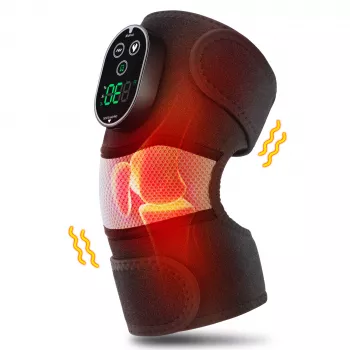
3-in-1 Cordless Heated Knee & Shoulder Massager with Hot Compress
A cordless massager that combines heat and compression-style massage can make it easier to stay consistent with comfort routines—at home, at a desk, or while traveling. This guide covers how a knee-and-shoulder design works, practical ways to use it, safety tips, and what to look for in daily use.
What it is and what it’s designed to do
A wrap-style heated massager is built to contour around common problem areas—especially knees and shoulders—while delivering a soothing hot-compress feel and gentle, pressure-based massage. The goal is simple: make short, repeatable sessions easy enough to fit into normal life, not just “recovery days.”
- Multi-use design: A single wrap can typically be positioned for knees or shoulders, helping target everyday tightness in two high-use joints.
- Cordless operation: Fewer steps (no hunting for outlets) often means more consistent use—before work, after a walk, or during evening downtime.
- Comfort support: Best used for everyday stiffness, post-activity soreness, and relaxation. It’s not a replacement for medical evaluation when symptoms are severe, sudden, or worsening.
If you want a dedicated option designed for both areas, see the 3-in-1 Cordless Heated Knee & Shoulder Massager with Hot Compress.
Key features that matter in daily use
Most people stick with a comfort device when it’s easy to put on, easy to adjust, and feels consistent from one session to the next.
- Cordless, wearable format: Practical for a couch, desk chair, or quick reset between errands.
- Hot compress function: Gentle heat can help many people feel looser before light stretching or range-of-motion work.
- Adjustable fit: A secure wrap keeps the sensation centered where you want it—without slipping or pinching.
- Simple controls: Clear mode and heat changes reduce the odds of overdoing intensity just to “feel something.”
- Portability: Compact storage helps you keep it within reach (a drawer, a backpack, or a carry-on).
Quick settings and session guide
| Area | Typical session length | Heat use | Practical tip |
|---|---|---|---|
| Knee (general stiffness) | 10–15 minutes | Low to medium | Use after light walking or gentle range-of-motion exercises |
| Knee (post-activity soreness) | 10 minutes | Medium | Avoid high heat on very tender areas; consider a shorter session |
| Shoulder (desk tension) | 10–15 minutes | Low to medium | Pair with posture reset: shoulder rolls and chest opening stretches |
| Shoulder (tight upper back) | 10–15 minutes | Medium | Sit upright so the wrap stays in place and pressure feels even |
How heat and massage can complement each other
Heat and pressure-based massage tend to feel best when they’re used in a calm, gradual way rather than “maxed out” from the start.
- Heat: Often used to ease the sensation of stiffness and support tissue comfort before gentle movement. General guidance on heat therapy is available from the Cleveland Clinic.
- Massage/compression: Can encourage relaxation and provide temporary relief from everyday aches—especially when your body is already tense from long sitting.
- Combined use: Many people find the “sweet spot” is low-to-medium heat with moderate pressure for a short session, then reassess.
- When to be cautious: For acute injuries with swelling, heat may not be appropriate early on. The Mayo Clinic offers practical basics on heat vs. cold.
How to use it on the knee
Consistency matters more than intensity. A comfortable, repeatable routine is usually the easiest to maintain.
- Align placement: Center the wrap over the kneecap area (or the most uncomfortable region around the joint) and secure it snugly without restricting circulation.
- Start gentle: Begin with low heat and the mildest massage mode. Increase only if the sensation stays even and comfortable.
- Support the leg: Stay seated with the leg supported; a slight bend at the knee often feels more natural than locking the leg straight.
- Transition slowly: When the session ends, stand up gradually and test range of motion before returning to activity.
If knee stiffness is a frequent issue after workouts or long shifts, keeping a cordless wrap charged and nearby can make it easier to follow through with short sessions.
How to use it on the shoulder
Shoulder and upper-trap tension often builds quietly through the day, especially with screens, driving, and prolonged sitting. A short heat-and-massage break can feel like a reset.
Comfort, safety, and when to pause
For arthritis-related comfort strategies, the Arthritis Foundation also shares helpful heat-therapy guidelines.
Care, charging habits, and storage
Helpful add-ons for everyday comfort (optional)
- Universal Car Steering Wheel Phone Mount for Safe Navigation for hands-free navigation on commutes to the gym or office.
- Triple-Sided Ultra-Fine Soft Bristle Toothbrush for Enhanced Oral Health as an easy travel essential if you pack your massager for trips.
FAQ
How long should a heat-and-massage session last?
For many people, 10–15 minutes is a practical range. Start shorter and on lower heat the first few times, and stop right away if you notice discomfort, skin irritation, or unusual soreness.
Can it be used on both the knee and shoulder in the same day?
Yes, many people use it on both areas in one day. Keep sessions moderate, space them out, and monitor your skin and overall soreness so you don’t overdo heat or pressure.
When should heat be avoided?
Heat is often avoided with new injuries that are swollen, hot, or inflamed, and it should be used cautiously if you have numbness or reduced sensation. Also skip heat on irritated skin or when a clinician has recommended cold therapy or medical evaluation instead.
Recommended for you

Was this article helpful?
Yes
No









Leave a comment