-
Shop
- Advanced Technologies
- AI Skills for Creators & Freelancers
- AI Client Management
- AI Ethics
- AI Mindset
- AI Tools & Prompts
- AI Writing & Content Creation
- Audio, Voice & Music
- Design & Visual Creation
- Email, Messaging & Communication
- Freelancing & Business
- Marketing, Ads & Conversion
- Productivity, Workflow & Automation
- SEO & Search Optimization
- Social Media Content & Growth
- Strategy, Planning & Analytics
- Video Creation & Editing
- AI Skills Mastery 2026 Collection
- Bathroom
- Best-Sellers
- Car Accessories
- Confidence
- Dating & Social Skills
- Digital Resources
- Easter Products
- Education & Learning
- Family & Parenting
- Fashion
- Fashion Accessories
- Furniture
- Gadgets
- Health & Beauty
- Health & Wellness
- Home & Garden
- Home Electronics
- Home Supplies
- Jewelry
- Kids & Babies
- Kitchen
- Lighting
- Patio, Lawn & Garden
- Personal Growth
- Pet Care
- Pet Supplies
- Pets
- Shoes
- Smart Home Living Guides
- Sport & Outdoors
- Stress Relief & Relaxation
- Super Deals
- TikTok Growth & Monetization Mastery
- Travel
- Travel & Adventure
- Wealth
- Wellness
Cordless Hand Blender Mixer: Portable 8/12-Speed Tips
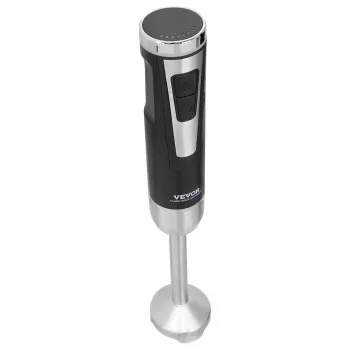
Portable Power: Why a Cordless Handheld Blender Mixer Belongs in Your Kitchen
A cordless handheld blender mixer makes it easier to puree soups in the pot, whip drinks at a campsite, or blend baby food without being tethered to an outlet. With multi-speed control, you can fine-tune texture—going from lightly mixed to silky smooth—without hauling out a full-size blender or dirtying extra containers. Below are the everyday tasks where a portable, multi-speed model shines, plus practical tips for better results, safer cleaning, and smarter storage.
What a Cordless Handheld Blender Mixer Is Best For
Handheld blender mixers are built for direct-in-container blending, which is why they’re such a time-saver for quick meals and small batches.
- Quick purees and emulsions: Blend soups, sauces, salad dressings, and marinades without transferring hot or messy ingredients to a countertop blender.
- Small-batch blending: Make smoothies, protein shakes, and mixed drinks when a full pitcher blender feels like overkill.
- Light mixing tasks: Whip cream, beat eggs, or mix thin batters when paired with the right whisk/beater attachment.
- Travel and tight kitchens: Great for dorms, RVs, offices, and vacation rentals where outlets and counter space can be limited.
- Hands-on control: Blend directly in a cup, pot, or jar to monitor texture in real time and stop exactly when it looks right.
8 vs 12 Speeds: How Multi-Speed Control Changes Results
More speeds don’t just mean “more power.” They mean more control over splatter, thickness, and how much air gets incorporated—especially important for dressings, whipped mixtures, and hot liquids.
- Lower speeds help reduce splatter and preserve delicate textures (vinaigrettes, soft fruits, lightly whipped cream).
- Mid speeds are the reliable work zone for soups, cooked vegetables, and pancake batter.
- Higher speeds break down tougher ingredients faster and help deliver a smoother puree.
- More speed steps make it easier to land on “chunky” or “silky” without accidentally over-blending.
- Pulse-style bursts can be mimicked by short presses to manage thick mixtures and prevent stalling.
Choosing a Speed Range by Task
| Task | Recommended approach | Why it helps |
|---|---|---|
| Salad dressing / mayo-style emulsions | Start low, increase gradually | Helps the mixture bind without separating and limits splatter |
| Soups in the pot | Medium, then finish high if needed | Builds smoothness without aerating too much |
| Smoothies (soft fruits) | Medium-high | Breaks down fruit quickly for a uniform drink |
| Baby food purees | Medium, finish high briefly | Controls texture while avoiding over-thinning |
| Whipping / mixing (with whisk/beater) | Low to medium, then adjust | Prevents over-whipping and keeps ingredients from flying out |
Cordless Convenience: Battery, Power, and Everyday Practicality
Cordless blending is less about replacing high-powered countertop machines and more about removing friction from everyday cooking. When it’s easy to grab, you end up using it more often.
- Mobility where you cook: Blend at the stove, patio table, or buffet line without rearranging appliances around an outlet.
- Runtime beats peak power for most tasks: Soups, sauces, and drinks typically need short bursts—great for stretching battery life.
- Battery habits matter: Avoid storing the unit with a fully depleted battery for long periods, and follow basic lithium-ion safety guidance for charging and storage.
- Prevent bogging down: If the motor struggles, reduce batch size, add a splash of liquid, and ramp speed up gradually instead of jumping to max.
- Simple storage: No cord wrap means less clutter; keep attachments together so the whisk or beater doesn’t vanish into a drawer.
Using a Handheld Blender Mixer Without Splatter or Stalling
A few technique tweaks make handheld blending cleaner, quieter, and more consistent—especially with hot soups or thin dressings.
Cleaning and Care for Food Safety and Longer Lifespan
For more on safe cleaning and avoiding cross-contamination, reference the FDA’s guidance on clean kitchen practices.
Common Pairings and Use Ideas
Product Spotlight: Portable 8/12 Speed Cordless Handheld Blender Mixer
The Portable 8/12 Speed Cordless Handheld Blender Mixer is designed for portable, direct-in-container blending with multi-speed control for everyday recipes. It’s a practical fit for soups, sauces, drinks, and small-batch prep—especially when a cordless format makes quick jobs feel effortless. For the cleanest results, match speed to the task, start submerged, and use taller containers whenever possible.
At-a-Glance Details
| Item | Details |
|---|---|
| Name | Portable 8/12 Speed Cordless Handheld Blender Mixer |
| Price | 46.51 USD |
| Availability | In stock |
| Product page | View product |
More In-Stock Finds for On-the-Go Routines
- Universal Car Steering Wheel Phone Mount for Safe Navigation for hands-free directions while commuting to the store or a campsite.
- Triple-Sided Ultra-Fine Soft Bristle Toothbrush for Enhanced Oral Health as a compact add-on for travel kits and gym bags.
FAQ
Can a cordless handheld blender crush ice for smoothies?
It depends on the motor and blade design, but many cordless handheld blenders handle small ice pieces best. Add liquid first, blend in short bursts, and avoid overfilling; very hard or large cubes are often better suited to a full-size blender.
How is a handheld blender different from a handheld mixer?
A handheld blender uses blades to puree and emulsify foods like soups, sauces, and smoothies, while a handheld mixer uses beaters or whisks to combine ingredients and incorporate air into batters or whipped mixtures. Some crossover is possible with attachments, but each tool has a different primary strength.
Is it safe to blend hot soup with a handheld blender?
Yes, with basic precautions: keep the blending head submerged, start on low speed, and don’t fill the pot too high to reduce splatter risk. Keep the motor body away from liquid and be mindful of steam when working over a hot pot.
Recommended for you

Was this article helpful?
Yes
No









Leave a comment