-
Shop
- Advanced Technologies
- AI Skills for Creators & Freelancers
- AI Client Management
- AI Ethics
- AI Mindset
- AI Tools & Prompts
- AI Writing & Content Creation
- Audio, Voice & Music
- Design & Visual Creation
- Email, Messaging & Communication
- Freelancing & Business
- Marketing, Ads & Conversion
- Productivity, Workflow & Automation
- SEO & Search Optimization
- Social Media Content & Growth
- Strategy, Planning & Analytics
- Video Creation & Editing
- AI Skills Mastery 2026 Collection
- Bathroom
- Best-Sellers
- Car Accessories
- Confidence
- Dating & Social Skills
- Digital Resources
- Easter Products
- Education & Learning
- Family & Parenting
- Fashion
- Fashion Accessories
- Furniture
- Gadgets
- Health & Beauty
- Health & Wellness
- Home & Garden
- Home Electronics
- Home Supplies
- Jewelry
- Kids & Babies
- Kitchen
- Lighting
- Patio, Lawn & Garden
- Personal Growth
- Pet Care
- Pet Supplies
- Pets
- Shoes
- Smart Home Living Guides
- Sport & Outdoors
- Stress Relief & Relaxation
- Super Deals
- TikTok Growth & Monetization Mastery
- Travel
- Travel & Adventure
- Wealth
- Wellness
Choosing a Pet to Reduce Stress and Anxiety
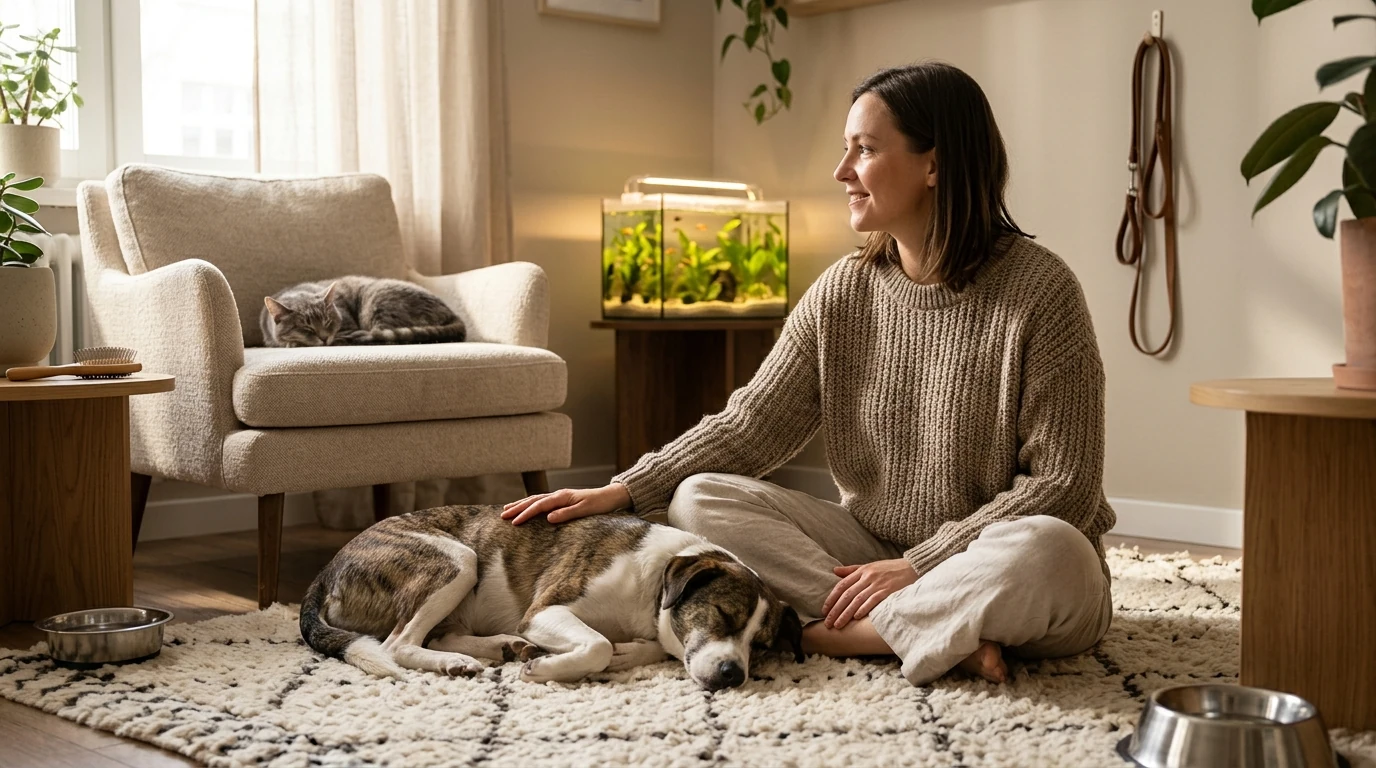
How the Right Pet Can Ease Stress and Anxiety
Pets can add structure, comfort, and gentle social support to daily life—factors that often help reduce stress and anxiety. The best match depends on lifestyle, living space, sensory preferences, budget, and the kind of calming effect needed (movement and routine, quiet companionship, or soothing touch). This guide breaks down how different pets may help, what to consider before choosing, and how to build a low-stress start for both human and animal.
Why pets can feel calming
While no pet is a guaranteed cure for anxiety, many people notice that living with an animal shifts their day in small, stabilizing ways. Those changes can add up—especially when stress is tied to isolation, irregular routines, or feeling stuck in your head.
- Steady routines: Feeding, walks, and cleaning can reduce uncertainty and encourage healthier daily rhythms.
- Touch and closeness: Warmth and gentle pressure may help some people feel grounded during anxious moments (only when the animal enjoys contact).
- Nonjudgmental companionship: A pet’s presence can reduce loneliness and make it easier to cope with hard days.
- Light activity: Walks and play can release tension and support sleep quality.
- Purpose and caregiving: Being needed—consistently—can improve mood and confidence over time.
For a deeper look at how the human-animal bond supports well-being, see the CDC overview of health benefits of pets, the NIH “Power of Pets” feature, and the AVMA’s human-animal bond resources.
Match the pet to the kind of support needed
“Best pet for anxiety” can mean very different things depending on how anxiety shows up for you. Start by identifying which kind of support would feel most regulating in daily life.
- For restlessness: Pets that encourage movement (dogs with regular walks, playful cats) can help discharge anxious energy and anchor the day.
- For racing thoughts: Pets that invite quiet presence (cats, rabbits, guinea pigs, fish) can support calm, focused attention.
- For sensory grounding: Animals that tolerate gentle handling (some dogs, some cats, rabbits) can provide tactile comfort—when touch is welcome and consensual.
- For social anxiety: A pet can be a “social bridge,” especially dogs during walks, while still allowing control over interactions.
- For low bandwidth days: Lower-maintenance options (fish, certain reptiles) can offer soothing observation without intense daily interaction.
Quick comparison of common pets for stress and anxiety
Temperament varies by individual animal; adoption counseling and foster-to-adopt programs can dramatically improve the match. Also plan for practical stressors up front—noise, smell, time demands, and training needs can become anxiety triggers if they’re a surprise.
| Pet type | Calming strengths | Potential stressors | Best fit for |
|---|---|---|---|
| Dog | Routine, outdoor time, companionship, can be trained for structured support | Training, exercise needs, barking, separation distress, higher costs | People who want daily movement and can commit time |
| Cat | Quiet companionship, purring and presence, adaptable to apartments | Litter upkeep, scratching, independence may frustrate some | People who want calm company with moderate care |
| Rabbit/Guinea pig | Gentle interaction, soothing to watch, can bond strongly | Enclosure cleaning, delicate handling, vet access can be specialized | People who want small-animal companionship and indoor care |
| Bird | Social engagement, training can be enriching | Noise, mess, high attention needs, long lifespan | People who enjoy interactive, vocal pets |
| Fish | Visual calm, low sensory demand, consistent routine can feel stabilizing | Water quality management, tank setup cost, maintenance learning curve | People who prefer low-touch, peaceful observation |
Lifestyle fit checklist before choosing
Stress relief works best when care requirements fit your real life—even on the days when anxiety is loud and motivation is low.
- Time and energy: Daily care, play, training, grooming, and cleaning—especially on hard mental-health days.
- Home constraints: Landlord rules, allergies, space, outdoor access, noise tolerance, and travel frequency.
- Budget: Food, supplies, grooming, training, boarding/pet sitting, and an emergency vet fund.
- Sensory preferences: Comfort with fur, odors, litter, barking, or nocturnal activity.
- Support network: A backup caregiver for illness, travel, or flare-ups; a reliable vet and an emergency clinic nearby.
Choosing an individual animal: temperament matters more than species
Setting up a calmer start for both of you
When a pet might add more stress than relief
Helpful resources for a calmer routine
If you prefer a step-by-step approach to choosing a pet that truly fits your lifestyle and the type of calming support you want, this guide can help: How the Right Pet Can Ease Stress & Anxiety – A Practical Guide to Choosing Pets That Help Reduce Stress and Anxiety for a Calmer, Balanced Life.
- Universal Car Steering Wheel Phone Mount for Safe Navigation
- Triple-Sided Ultra-Fine Soft Bristle Toothbrush for Enhanced Oral Health
FAQ
What is the best pet for anxiety?
There isn’t one “best” pet for everyone—what works depends on whether you need more routine and movement, quiet companionship, or sensory grounding. Dogs can be great for structured days and outdoor time, cats often offer calm presence with moderate care, and fish or small animals can be soothing for people who prefer quieter, lower-touch support. Temperament and realistic care capacity matter as much as species.
Can a pet replace therapy or medication for anxiety?
No—pets can be a powerful support, but they don’t replace professional care for anxiety disorders. If symptoms are persistent, severe, or include panic, a clinician can help you choose evidence-based treatment options; trained service animals are a separate category from typical companion pets.
How long does it take to feel calmer after getting a pet?
Many people feel a lift quickly, but lasting calm usually builds over weeks to months as routines settle and trust develops. The first days can be stressful for both of you, so plan a decompression period, keep schedules predictable, and lean on a backup caregiver if you’re having a rough stretch.
Recommended for you



Was this article helpful?
Yes
No









Leave a comment