-
Shop
- Advanced Technologies
- AI Skills for Creators & Freelancers
- AI Client Management
- AI Ethics
- AI Mindset
- AI Tools & Prompts
- AI Writing & Content Creation
- Audio, Voice & Music
- Design & Visual Creation
- Email, Messaging & Communication
- Freelancing & Business
- Marketing, Ads & Conversion
- Productivity, Workflow & Automation
- SEO & Search Optimization
- Social Media Content & Growth
- Strategy, Planning & Analytics
- Video Creation & Editing
- AI Skills Mastery 2026 Collection
- Bathroom
- Best-Sellers
- Car Accessories
- Confidence
- Dating & Social Skills
- Digital Resources
- Easter Products
- Education & Learning
- Family & Parenting
- Fashion
- Fashion Accessories
- Furniture
- Gadgets
- Health & Beauty
- Health & Wellness
- Home & Garden
- Home Electronics
- Home Supplies
- Jewelry
- Kids & Babies
- Kitchen
- Lighting
- Patio, Lawn & Garden
- Personal Growth
- Pet Care
- Pet Supplies
- Pets
- Shoes
- Smart Home Living Guides
- Sport & Outdoors
- Stress Relief & Relaxation
- Super Deals
- TikTok Growth & Monetization Mastery
- Travel
- Travel & Adventure
- Wealth
- Wellness
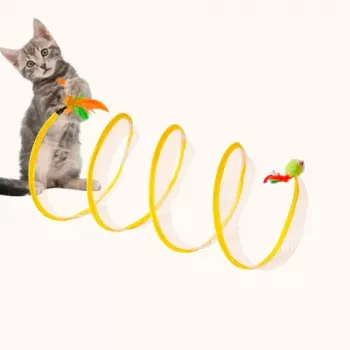
Cat Adventure Tunnel Toy: Hide-and-Seek Fun for Cats

Cat Adventure Tunnel Playful Hide & Seek Toy: Fast Fun for Curious Cats
A tunnel toy can turn everyday zoomies into a mini adventure—perfect for stalking, pouncing, hiding, and quick solo play. The right tunnel becomes a go-to “mission base” for indoor cats who crave movement and variety, especially when you want enrichment that doesn’t take up much space. Below is what makes tunnel play so satisfying, how to use it for hide-and-seek games, and what to check for when setting up a budget-friendly option. For more guidance, see Enriching Indoor Cat Life: Tips for a Happier Feline Friend.
Why cats love tunnel play
Most cats don’t need a complicated setup to feel entertained—they need an outlet for instincts. A tunnel gives them a structured space to do what they’re wired to do. For further reading, see Watch Your Cat Go Wild with These Absolutely Obsessive Fun Cat ….
- Triggers hunt-and-ambush behaviors: crouch, wait, burst, and pounce—often in rapid cycles that burn energy fast.
- Creates a “safe” hiding zone: a covered space can reduce boredom and encourage movement without forcing interaction.
- Adds variety in small homes: a tunnel offers new angles and pathways even in apartments or single-room layouts.
- Supports multi-cat play: multiple entrances/exits help cats chase, retreat, and re-engage without getting cornered.
For more on why enrichment matters for indoor cats, see guidance from the American Veterinary Medical Association (AVMA) and behavioral resources from International Cat Care.
What makes this tunnel a playful hide-and-seek toy
The Cat Adventure Tunnel Playful Hide & Seek Toy is built around one simple idea: give your cat a quick, exciting “vanish and reappear” zone. Tunnel-style play tends to stay interesting because it constantly changes what your cat can see, hear, and predict.
- Tunnel design sparks fast sprints: perfect for surprise pounces, peek-a-boo moments, and sudden direction changes.
- Works for chase and ambush: your cat can dash through for cardio, then immediately switch to waiting inside for “prey.”
- Lightweight and easy to move: shifting it from living room to bedroom can make it feel brand-new without buying another large toy.
- Budget-friendly for toy rotation: rotating toys (instead of leaving everything out) often keeps interest higher over time.
Common tunnel play modes and what they help with
| Play mode | How to do it | Why cats enjoy it |
|---|---|---|
| Hide & seek | Toss a small toy near the entrance and let the cat investigate | Creates mystery and rewards curiosity |
| Ambush dash | Drag a teaser past the tunnel openings | Mimics prey running by a hiding place |
| Treat trail | Place a few treats along the inside path | Encourages confident exploration and nose-work |
| Two-cat chase | Let one cat enter first; encourage the other to follow with a wand toy | Adds social play and quick direction changes |
Where a tunnel fits best at home
Placement matters more than most people expect. The goal is “easy access” without turning your home into an obstacle course.
- Near a favorite nap spot: your cat can pop in and out of play without feeling like it’s a big event.
- Along a “cat highway”: put it on a common route between rooms to encourage spontaneous zoomies.
- Pair it with a scratching option: keeping a scratching post nearby helps redirect excited claws away from furniture.
- Keep walking lanes clear: avoid tight hallways and high-traffic paths where humans might trip.
How to introduce a tunnel (especially for cautious cats)
Some cats dive in immediately; others prefer to “audit” new objects for a few days. A low-pressure introduction usually wins.
- Start open and obvious: place the tunnel flat with entrances clearly visible (no awkward angles or blocked ends).
- Use positive associations: a few treats near the entrance or a pinch of catnip (if your cat responds) can help.
- Keep early sessions short: aim for 2–5 minutes and stop while your cat still wants more.
- Let the cat lead: never push a cat into the tunnel; reward any voluntary approach, sniff, or paw tap.
If you’re wondering, “Is a cat tunnel worth it?” the answer usually depends on whether your cat likes hiding, stalking, or fast bursts of movement—tunnels tend to deliver all three with minimal setup.
Play ideas for daily energy and enrichment
Once the tunnel is “approved,” it becomes a flexible piece of your daily routine. Small, consistent play sessions often work better than one long session.
Safety, cleanup, and durability checkpoints
Quick product snapshot
If you want an affordable way to add hide-and-seek energy to the day, the Cat Adventure Tunnel Playful Hide & Seek Toy is an easy win: simple setup, quick engagement, and easy relocation to refresh interest.
| Item | Details |
|---|---|
| Name | Cat Adventure Tunnel Playful Hide & Seek Toy |
| Price | $3.01 USD |
| Availability | In stock |
| Product page | View product |
More helpful add-ons for pet parents (in stock)
- Universal Car Steering Wheel Phone Mount for Safe Navigation (handy for safer directions on vet or supply runs)
- Triple-Sided Ultra-Fine Soft Bristle Toothbrush for Enhanced Oral Health (a small routine upgrade for busy days)
FAQ
Is a cat tunnel worth it?
A cat tunnel can be worth it for exercise, enrichment, and stress relief—especially for indoor cats that love hiding, stalking, or ambushing. Look for sturdy material, safe seams, and enough room for your cat to comfortably enter, turn, and exit.
How do you get a cat to use a tunnel toy?
Leave the tunnel out with entrances open, add a few treats (or catnip if your cat likes it), and use a wand toy to create quick movement near the openings. Keep sessions brief, reward curiosity, and never force your cat inside.
Recommended for you


Was this article helpful?
Yes
No









Leave a comment