-
Shop
- Advanced Technologies
- AI Skills for Creators & Freelancers
- AI Client Management
- AI Ethics
- AI Mindset
- AI Tools & Prompts
- AI Writing & Content Creation
- Audio, Voice & Music
- Design & Visual Creation
- Email, Messaging & Communication
- Freelancing & Business
- Marketing, Ads & Conversion
- Productivity, Workflow & Automation
- SEO & Search Optimization
- Social Media Content & Growth
- Strategy, Planning & Analytics
- Video Creation & Editing
- AI Skills Mastery 2026 Collection
- Bathroom
- Best-Sellers
- Car Accessories
- Confidence
- Dating & Social Skills
- Digital Resources
- Easter Products
- Education & Learning
- Family & Parenting
- Fashion
- Fashion Accessories
- Furniture
- Gadgets
- Health & Beauty
- Health & Wellness
- Home & Garden
- Home Electronics
- Home Supplies
- Jewelry
- Kids & Babies
- Kitchen
- Lighting
- Patio, Lawn & Garden
- Personal Growth
- Pet Care
- Pet Supplies
- Pets
- Shoes
- Smart Home Living Guides
- Sport & Outdoors
- Stress Relief & Relaxation
- Super Deals
- TikTok Growth & Monetization Mastery
- Travel
- Travel & Adventure
- Wealth
- Wellness
Budget Airline Hacks: Avoid Fees, Pack Smart, Fly Easy
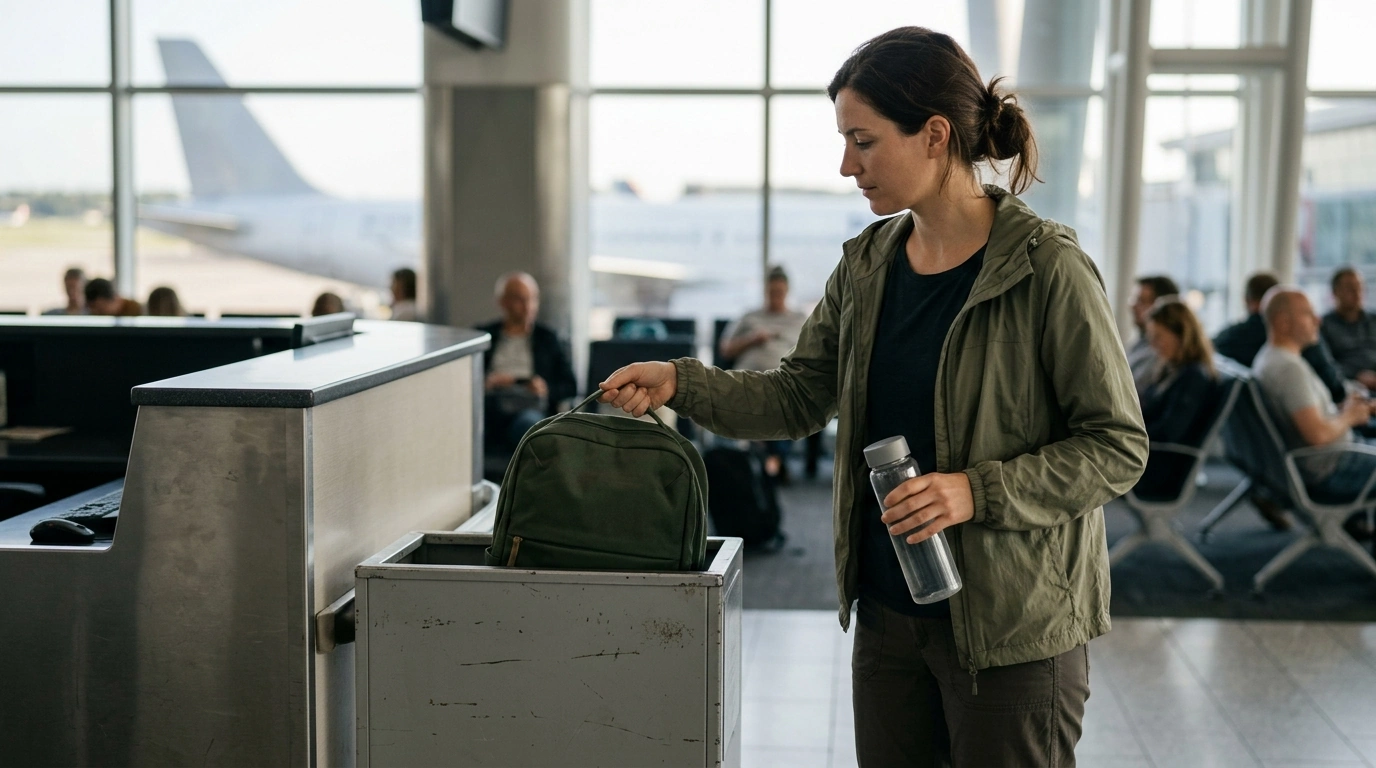
Smart Hacks for Flying Budget Airlines: Booking, Packing, and Flying Smarter
Budget airlines can deliver genuine bargains, but only when the total trip cost stays under control. The biggest savings come from avoiding add-on fees, choosing the right fare for your needs, packing to the exact rules, and planning for tighter schedules and fewer included perks. Use the hacks below as a step-by-step playbook from booking day to touchdown.
Know what “cheap” really means on budget carriers
A low base fare is only one piece of the price. Budget airlines often unbundle everything else, and they’re far more likely to enforce the fine print.
- Separate the fare price from the trip price: seat + bag(s) + payment method + check-in method + airport/route surcharges.
- Expect stricter enforcement: baggage size checks, boarding priority by paid group, and limited customer-service flexibility.
- Plan for tighter buffers: fewer rebooking options and less protection on self-made connections.
Booking hacks that reduce surprise costs
- Compare the final checkout total, not the headline fare: add your realistic bags and seat choice before deciding.
- Book bags and seats at purchase (or as early as possible): prices often rise closer to departure.
- Choose flight times that reduce risk: earlier departures typically avoid late-day cascade delays.
- Avoid ultra-short connections on separate tickets: build a buffer for security lines and gate changes.
- Use price alerts and flexible date views: a small date shift can outweigh any “deal” you lose on add-ons.
If you want a compact reference you can reuse trip after trip, keep a dedicated checklist or guide handy—like Smart Hacks for Flying Budget Airlines (travel guide)—so you don’t have to relearn the same rules at every checkout screen.
Fee traps and the easiest ways around them
- Follow the airline’s exact personal-item dimensions: “close enough” can still trigger a gate fee.
- Check-in online whenever possible: some carriers charge for airport counter check-in.
- Bring snacks and an empty bottle to fill after security: onboard food and drinks often cost more.
- Skip optional bundles unless they beat the à la carte total: only pay for what you’ll actually use.
- Use a card/payment method that avoids extra processing fees: when applicable, that “small” fee can erase the fare difference.
Common budget-airline fees and how to avoid them
| Fee type | When it appears | How to avoid or minimize it |
|---|---|---|
| Carry-on bag fee | After booking, at check-in, or at the gate | Travel with a true personal item; prepay carry-on online if needed |
| Oversize/overweight fee | Bag drop or gate sizer check | Measure at home; use a compact scale; repack before leaving for the airport |
| Seat selection fee | During booking and check-in | Accept random seating when fine; pay only when it protects a tight schedule or group travel |
| Airport check-in fee | At the counter/kiosk depending on carrier | Check in via app/web; save boarding pass to phone and a backup copy |
| Boarding priority fee | Before boarding | Only pay when cabin space is critical; otherwise board in assigned group with compliant personal item |
| Change/cancel fee or fare difference | When plans shift | Buy flexibility only when the probability of changes is high; otherwise lock in dates and build buffers |
Packing smarter: personal-item mastery
Your most powerful budget-airline move is making “personal item only” realistic. That decision often determines whether the trip stays cheap.
- Start with the airline’s personal-item size and build your packing list around it.
- Use compression cubes or rolling: reduce volume, and keep exterior pockets from bulging.
- Wear bulk: jacket, heavier shoes, and a layer you can remove after boarding.
- Create a “security pouch” for liquids and a “seat pouch” for essentials (charger, meds, earbuds, pen).
- Keep valuables and must-haves in the personal item: not a paid bag that could be delayed or gate-checked.
For toiletries, keep it simple and easy to clean—adding a small, travel-ready item like the Triple-Sided Ultra-Fine Soft Bristle Toothbrush can help you pack lighter without sacrificing comfort.
For liquids and screening rules, follow the current guidance from TSA’s liquids rule so you’re not forced to toss items at the checkpoint.
Airport and boarding tactics that prevent last-minute charges
Onboard comfort without paying for every extra
If your trip includes a drive to a remote airport (often cheaper for budget routes), a simple organizer like a Universal Car Steering Wheel Phone Mount can make navigation smoother without fumbling at the last minute.
Delay, cancellation, and disruption game plan
For a clearer picture of baseline rights and complaint options, review the U.S. Department of Transportation airline consumer resources.
Use a checklist to make budget flying repeatable
A quick way to put it all together
FAQ
Is it cheaper to buy bags at the airport or online?
Online is usually cheaper, and airport (especially gate) purchases tend to cost the most. Prepay bags as early as you can after confirming the carrier’s fee chart for your route and fare.
Can a personal item be a backpack on budget airlines?
Often yes, as long as it fits the published dimensions—including bulging pockets and overstuffed tops. A soft-sided backpack that compresses is usually easier to fit into a sizer than a rigid bag.
What happens if a carry-on doesn’t fit the sizer at the gate?
It’s typically forced to be checked, and the fee is usually higher than prepaying online. To avoid the charge, compress the bag, move dense items to your jacket pockets, or consolidate into a compliant personal item before boarding starts.
Recommended for you



Was this article helpful?
Yes
No









Leave a comment