-
Shop
- Advanced Technologies
- AI Skills for Creators & Freelancers
- AI Client Management
- AI Ethics
- AI Mindset
- AI Tools & Prompts
- AI Writing & Content Creation
- Audio, Voice & Music
- Design & Visual Creation
- Email, Messaging & Communication
- Freelancing & Business
- Marketing, Ads & Conversion
- Productivity, Workflow & Automation
- SEO & Search Optimization
- Social Media Content & Growth
- Strategy, Planning & Analytics
- Video Creation & Editing
- AI Skills Mastery 2026 Collection
- Bathroom
- Best-Sellers
- Car Accessories
- Confidence
- Dating & Social Skills
- Digital Resources
- Easter Products
- Education & Learning
- Family & Parenting
- Fashion
- Fashion Accessories
- Furniture
- Gadgets
- Health & Beauty
- Health & Wellness
- Home & Garden
- Home Electronics
- Home Supplies
- Jewelry
- Kids & Babies
- Kitchen
- Lighting
- Patio, Lawn & Garden
- Personal Growth
- Pet Care
- Pet Supplies
- Pets
- Shoes
- Smart Home Living Guides
- Sport & Outdoors
- Stress Relief & Relaxation
- Super Deals
- TikTok Growth & Monetization Mastery
- Travel
- Travel & Adventure
- Wealth
- Wellness
Boost Daily Energy: Sleep, Meals, Hydration & Focus
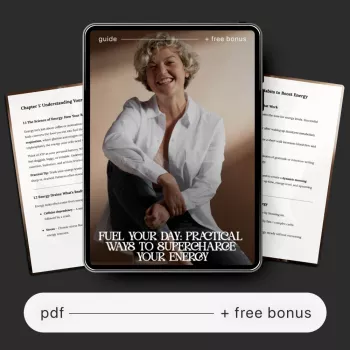
Fuel Your Day: Practical Ways to Supercharge Your Energy
Steady, reliable energy comes from stacking small, repeatable habits that support sleep, blood sugar stability, hydration, movement, and focus. Use the strategies below to reduce afternoon crashes, feel more alert in the morning, and build a simple routine you can actually maintain.
Start with the real baseline: sleep, light, and a consistent wake time
If energy is inconsistent, start with the foundations that regulate your body clock. A steady wake time (yes, even on weekends) is one of the fastest ways to reduce the “social jet lag” effect that leaves mornings groggy and afternoons sluggish.
- Keep a consistent wake time to stabilize circadian rhythm and reduce Monday-style fatigue all week.
- Get bright outdoor light within the first hour of waking to support alertness and set your internal clock.
- Build a 45–60 minute wind-down routine: dim lights, reduce stimulation, and keep the bedroom cool and dark.
- If mornings feel foggy, check sleep duration and quality (snoring, frequent waking), plus bedtime alcohol or late caffeine.
For practical sleep guidance and red flags to watch for, the CDC’s sleep resources are a solid place to start.
Build meals that prevent the 2–4 p.m. crash
The afternoon dip often isn’t a “willpower problem”—it’s a predictable response to a heavy lunch, a blood sugar swing, or a protein-light day. The goal is steadier fuel, not perfection.
- Prioritize protein at breakfast and lunch to support satiety and more stable energy than refined-carb-heavy meals.
- Pair carbs with protein, fiber, and healthy fats to slow digestion and smooth glucose swings.
- Choose micronutrient-dense foods (leafy greens, legumes, nuts, seeds, eggs, fish) to support energy metabolism.
- If you slump after lunch, reduce ultra-processed foods and adjust portion size; heavy meals can increase sleepiness.
| Meal moment | Swap this | For this | Why it helps |
|---|---|---|---|
| Breakfast | Sweet pastry + coffee | Greek yogurt + berries + nuts (or eggs + whole-grain toast) | More protein/fiber for steadier energy |
| Lunch | Large refined-carb bowl | Protein + veggies + whole-grain or beans | Slower glucose rise; fewer post-meal slumps |
| Snack | Candy or sugary latte | Apple + peanut butter (or hummus + carrots) | Protein/fat/fiber keeps energy stable |
| Afternoon | Second energy drink | Water + short walk + protein snack | Hydration and movement boost alertness without a late stimulant hit |
If you want a simple visual for balanced plates, the Harvard Healthy Eating Plate is an easy reference for building meals that don’t backfire later.
Hydration and caffeine: make them work for you
Fatigue can be as simple as “not enough water” or “too much caffeine at the wrong time.” Dialing in both usually produces a noticeable difference within days.
- Start the day with water; mild dehydration can feel like low energy and poor focus.
- Use caffeine strategically: consider delaying the first dose 60–90 minutes after waking if you get jittery, and set a cutoff 6–8 hours before bedtime.
- Avoid caffeine on an empty stomach; pairing it with food can reduce jitters and energy swings.
- Taper gradually if you’re dependent; headaches and irritability are common when quitting abruptly.
For a clear overview of how caffeine affects the body (and why timing matters), see the NIH NCCIH caffeine guide.
Move in short bursts to reset focus and energy
Long sedentary stretches quietly drain energy. The fix doesn’t have to be a full workout—short “resets” often work better than waiting until you feel motivated.
- Take 2–5 minute movement breaks every 60–90 minutes: brisk walking, stairs, mobility drills, or a few bodyweight sets.
- Add one longer session most days (20–40 minutes of walking, cycling, strength training, or a class) to improve sleep quality and stamina.
- Use “minimum viable movement” when energy is low: five minutes at an easy pace keeps the habit alive.
- Pair movement with daylight when possible for a double benefit: physical activation plus circadian support.
Reduce mental drain: planning, priorities, and fewer decisions
Energy isn’t just physical—it’s also the capacity to make decisions and stay focused. Too many open loops (and too much multitasking) can make a normal day feel exhausting.
- Choose 1–3 must-do tasks and complete them early to lower stress and preserve afternoon energy.
- Batch similar tasks (emails, calls, admin) into a defined window to reduce context switching.
- Use a simple checklist for repeatable routines so you don’t waste energy deciding what to do next.
- Schedule demanding work for your peak window (often mid-morning) and lighter tasks for your natural dip.
A practical daily energy checklist to try this week
Use a planner and guide to make the habits stick
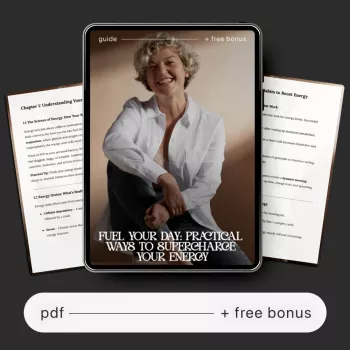
If you want a ready-to-use structure, start here: Fuel Your Day: Practical Ways to Supercharge Your Energy (Digital Energy Guide, Planner & Checklist).
To support daily movement habits, comfortable walking gear can remove a common barrier: Armani Exchange Men’s Sneakers. And if you take walks or run errands between meetings, a hands-free setup can make it easier to follow a route without fumbling for your phone: Universal Car Steering Wheel Phone Mount for Safe Navigation.
FAQ
Why do energy crashes happen in the afternoon?
Common triggers include poor sleep, dehydration, long sedentary stretches, and lunches that are large or heavy in refined carbs. Quick fixes include a balanced lunch (protein + fiber), water, a 5–10 minute walk, and moving your caffeine earlier in the day.
What’s the simplest routine to boost daily energy without overhauling everything?
Keep a consistent wake time, get morning outdoor light, drink water early, eat a protein-forward breakfast, take two short movement breaks, and set a caffeine cutoff. Start small and keep it steady for a week before adjusting.
How late is too late for caffeine?
A practical guideline is to stop caffeine 6–8 hours before bed, but sensitivity varies. If sleep quality slips, move your cutoff earlier or reduce your afternoon dose.
Recommended for you


Was this article helpful?
Yes
No









Leave a comment