-
Shop
- Advanced Technologies
- AI Skills for Creators & Freelancers
- AI Client Management
- AI Ethics
- AI Mindset
- AI Tools & Prompts
- AI Writing & Content Creation
- Audio, Voice & Music
- Design & Visual Creation
- Email, Messaging & Communication
- Freelancing & Business
- Marketing, Ads & Conversion
- Productivity, Workflow & Automation
- SEO & Search Optimization
- Social Media Content & Growth
- Strategy, Planning & Analytics
- Video Creation & Editing
- AI Skills Mastery 2026 Collection
- Bathroom
- Best-Sellers
- Car Accessories
- Confidence
- Dating & Social Skills
- Digital Resources
- Easter Products
- Education & Learning
- Family & Parenting
- Fashion
- Fashion Accessories
- Furniture
- Gadgets
- Health & Beauty
- Health & Wellness
- Home & Garden
- Home Electronics
- Home Supplies
- Jewelry
- Kids & Babies
- Kitchen
- Lighting
- Patio, Lawn & Garden
- Personal Growth
- Pet Care
- Pet Supplies
- Pets
- Shoes
- Smart Home Living Guides
- Sport & Outdoors
- Stress Relief & Relaxation
- Super Deals
- TikTok Growth & Monetization Mastery
- Travel
- Travel & Adventure
- Wealth
- Wellness
Birkenstock Women’s Leather Sandals
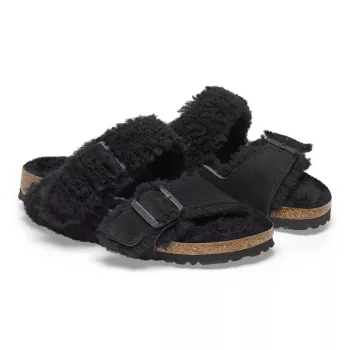
Birkenstock Women’s Leather Sandals: Comfort, Fit, and Everyday Styling
Leather sandals from Birkenstock are known for supportive footbeds, durable materials, and a broken-in feel that improves with wear. The right pair can handle daily errands, sightseeing, and long outdoor days—without feeling flimsy or overly soft. Below is a practical guide to what makes leather Birkenstock-style sandals feel different, how to choose a leather finish, how to dial in fit during the first week, and how to keep leather (and cork) looking good season after season. For more guidance, see Birkenstock Sandals Womens 38 L7 M5 Buckle Strap Leather Brown ….
What Makes Leather Birkenstock Sandals Different
Several design elements work together to create that recognizable “supportive but flexible over time” comfort. For further reading, see Birkenstock Arizona Mocha Women Birkenstock Arizona Brown ….
- Footbed support: A contoured footbed helps cradle the arch and stabilize the heel for extended walking. For more on how the footbed is designed, see Birkenstock’s footbed education page.
- Leather uppers: Leather can soften and adapt to the foot while still holding its shape better than many synthetics.
- Adjustability: Buckles and straps make it easier to fine-tune fit if feet swell slightly later in the day.
- Traction and durability: Outsoles are built for repeated flexing and regular pavement wear.
- The break-in journey: Initial firmness is common; comfort usually improves as the straps relax and the footbed molds to your gait.
If supportive footwear matters, it can also be helpful to look for products recognized by reputable organizations. The American Podiatric Medical Association (APMA) Seal of Acceptance is one such reference point when comparing supportive options across brands.
Leather Upper Options and How They Feel
Not all leather uppers feel the same. The finish influences the break-in pace, the look, and how much maintenance the upper needs.
- Smooth leather: A more structured, refined appearance. It may feel firmer at first, then gradually molds with wear.
- Oiled leather: Typically more relaxed-looking, with natural variation that can show marks and patina as “character” over time.
- Suede leather (when available): Soft against the skin and often comfortable barefoot, but more sensitive to water and stains.
- Lining considerations: Some designs use suede or leather lining to reduce rubbing and improve comfort.
- Color and finish: Dark shades can disguise scuffs; lighter tones feel summery but may show marks sooner.
| Leather type | Feel on foot | Best for | Care priority |
|---|---|---|---|
| Smooth leather | Firmer initially; molds with wear | Polished outfits, work-casual days | Conditioning and gentle cleaning |
| Oiled leather | Supple with a broken-in vibe | Everyday casual, travel | Conditioning; expect natural marks |
| Suede (when available) | Soft and flexible | Barefoot comfort, warm-weather wear | Water/stain protection |
For a deeper overview of how leather behaves and why conditioning matters, Britannica’s leather basics is a helpful reference.
Fit and Sizing: Getting Comfort from the First Week
A supportive sandal only feels supportive when your foot is sitting where the footbed “expects” it to sit. Small fit changes—especially strap adjustments—can make a big difference.
- Foot placement: Your heel should sit down into the heel cup, not ride on the back edge.
- Room to move: Leave a small buffer at the front and back so your toes don’t collide with the edge as you walk.
- Strap adjustment: Start snug but not tight. You want security without creating pressure points or cutting off circulation.
- Width considerations: If the sandal feels tight across the forefoot even when straps are loosened appropriately, a wider option (when available) can feel dramatically better.
- Break-in tips: Wear them for short periods at home first, then increase time gradually to let the straps and footbed adapt.
- Socks or no socks: Thin socks can reduce rubbing during break-in, especially with firmer smooth leather straps.
A practical fit check: walk across a room and notice whether you’re gripping with your toes to keep the sandal on. If so, the straps may be too loose (causing sliding) or the size/width may be off.
How to Style Leather Sandals for Everyday Wear
Leather sandals can look simple while still pulling an outfit together. Focus on clean lines and balanced proportions.
If your wardrobe shifts into closed-toe looks as temperatures change, a clean sneaker can keep the same “walkable all day” goal while looking polished. The Armani Exchange Men’s Sneakers are an option to consider for an everyday casual rotation.
Care and Maintenance for Leather Sandals
Comfort Checklist: Who These Sandals Suit Best
Product Spotlight: Birkenstock Women’s Leather Sandals
If you’re looking for a supportive everyday sandal that improves with wear, Birkenstock Women’s Leather Sandals are currently listed as in stock at $81.51 USD.
FAQ
Do leather Birkenstock sandals stretch over time?
Leather uppers usually soften and relax slightly with wear, while the footbed molds to your footprint. Aim for a secure but not tight strap fit rather than sizing down to “force” stretching.
How should Birkenstock leather sandals fit in the toe and heel?
Your heel should sit centered in the heel cup, and your toes shouldn’t hit the front edge when walking. Leave a small buffer at both the front and back, and adjust straps so your foot doesn’t slide and cause rubbing.
How do you clean and condition leather Birkenstock sandals?
Wipe the leather with a slightly damp cloth and let everything air-dry away from heat. Condition occasionally with a leather-safe product, protect suede with a water/stain protector if applicable, and avoid soaking the cork or footbed.
Recommended for you


Was this article helpful?
Yes
No









Leave a comment