-
Shop
- Advanced Technologies
- AI Skills for Creators & Freelancers
- AI Client Management
- AI Ethics
- AI Mindset
- AI Tools & Prompts
- AI Writing & Content Creation
- Audio, Voice & Music
- Design & Visual Creation
- Email, Messaging & Communication
- Freelancing & Business
- Marketing, Ads & Conversion
- Productivity, Workflow & Automation
- SEO & Search Optimization
- Social Media Content & Growth
- Strategy, Planning & Analytics
- Video Creation & Editing
- AI Skills Mastery 2026 Collection
- Bathroom
- Best-Sellers
- Car Accessories
- Confidence
- Dating & Social Skills
- Digital Resources
- Easter Products
- Education & Learning
- Family & Parenting
- Fashion
- Fashion Accessories
- Furniture
- Gadgets
- Health & Beauty
- Health & Wellness
- Home & Garden
- Home Electronics
- Home Supplies
- Jewelry
- Kids & Babies
- Kitchen
- Lighting
- Patio, Lawn & Garden
- Personal Growth
- Pet Care
- Pet Supplies
- Pets
- Shoes
- Smart Home Living Guides
- Sport & Outdoors
- Stress Relief & Relaxation
- Super Deals
- TikTok Growth & Monetization Mastery
- Travel
- Travel & Adventure
- Wealth
- Wellness
Bamboo Dinnerware for Babies: Safety, Care & Tips
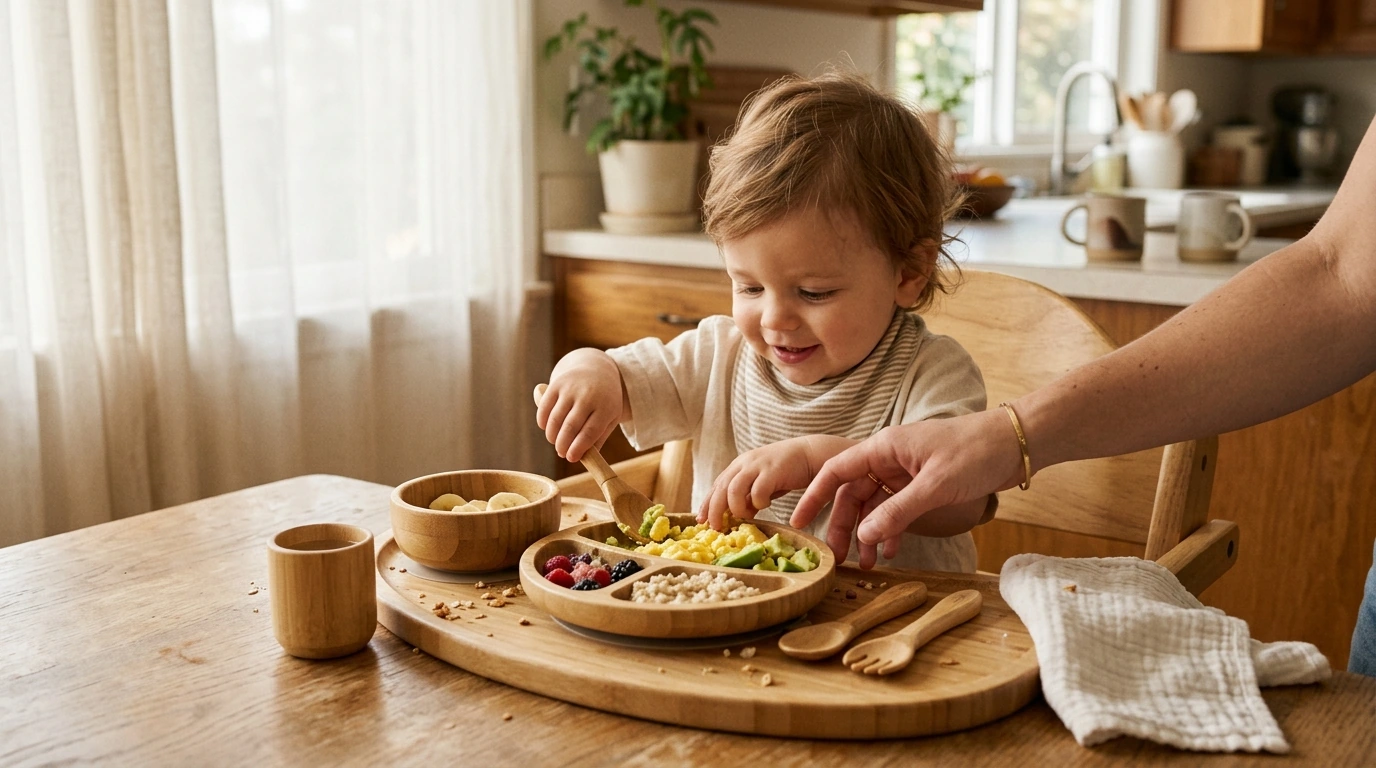
Infant Bamboo Wooden Dinnerware Set: a calmer way to serve baby-sized meals
Mealtime with babies and toddlers is a mix of exploration and mess. A bamboo-based dinnerware set brings a calmer, more natural feel than clattery plastic, while keeping portions and utensils sized for small hands. From first tastes to independent scooping, the right set can make everyday feeding feel a little more organized—without making your table look like a toy aisle. For more guidance, see Avanchy Bamboo Divided Baby Plate, Bowl & Assorted ….
What makes bamboo dinnerware a practical choice for infants
Bamboo dinnerware is often chosen for how it feels and functions during daily use. Many parents like the warm-to-the-touch surface, which can feel more comfortable than cold plastic or metal when little hands are learning to hold a bowl or push a plate. For further reading, see VerTerra 4.5×4.5 Square Wooden Plate World Centric’s Bamboo ….
- Gentler tactile experience: a smoother, warmer feel that suits small hands.
- Everyday durability: bamboo-based composites are typically sturdier than thin plastic while still lightweight.
- Less mealtime noise: wood-toned sets tend to be quieter on high-chair trays and tables.
- Portion-friendly shapes: shallow bowls and compartment plates can simplify self-feeding.
- A calmer look for the table: natural tones blend into family meals without looking overly “baby gear.”
What to check before using a new set (safety and material notes)
Not all “bamboo” dinnerware is the same. Many baby sets are made with bamboo fiber combined with a binder (often a resin) to form a composite. That’s normal—but it changes how you should care for it and what temperatures it can handle.
- Confirm the material type: treat bamboo fiber composites differently than raw wood.
- Food contact guidance: follow manufacturer instructions for hot liquids, microwaves, and dishwashers; if directions aren’t clear, default to gentle use.
- Check the surface condition: don’t use items with deep cracks, splintering, or peeling finish where residue can collect.
- Choking hazards: keep small accessories away from infants unless designed and tested for that age range.
- Sensitivity awareness: if irritation occurs, discontinue use and consult a pediatric professional for persistent concerns.
For a broader look at packaging and food-contact oversight in the U.S., the FDA’s overview of Food Contact Substances is a helpful reference point.
Set components and how each one helps at different stages
A well-rounded infant set usually includes a plate, bowl, cup, and toddler-friendly utensils. Each part supports a slightly different “learning task,” which is why complete sets can be easier than mixing random pieces.
- Plate: great for finger foods and early utensil practice; compartments can separate textures and sauces so foods don’t get lost in a pile.
- Bowl: supports purees, oatmeal, yogurt, and mixed meals; a lower, wider bowl can reduce tipping during enthusiastic scoops.
- Cup: helps bridge the gap from bottles toward open-cup practice (with close supervision) or straw training if included.
- Utensils: short handles and rounded tips fit early grips and can feel less intimidating than adult flatware.
- Storage/travel features: stackable designs can simplify daycare packing and weekend trips.
Everyday care: cleaning, drying, and keeping the finish intact
Bamboo-based dinnerware usually lasts longer when treated more like a “nice kitchen item” than a disposable baby accessory. Daily habits—especially soaking and high heat—make the biggest difference over time.
For general kitchen hygiene guidance, the CDC’s cleaning and sanitizing recommendations offer practical baselines for everyday routines.
Bamboo vs. common alternatives
| Material | Everyday strengths | Watch-outs | Best for |
|---|---|---|---|
| Bamboo (often composite) | Lightweight, pleasant feel, quieter on tables | May not be microwave/dishwasher safe; can wear if soaked | Families who prefer hand-washing and a natural look |
| Silicone | Grippy, flexible, often dishwasher safe | Can hold odors; attracts lint; may stain with strong pigments | Messy self-feeding phases and travel |
| Plastic | Budget-friendly, light, widely available | Quality varies; may scratch and discolor | Backup sets and daycare spares |
| Stainless steel | Very durable, easy to sanitize | Noisy; may slide unless paired with suction | Long-term daily use and hot foods |
Families aiming to reduce certain exposures sometimes review pediatric guidance like the American Academy of Pediatrics’ overview on plastics and children’s health when deciding what to keep in rotation.
Using dinnerware to support self-feeding skills
When to replace infant dinnerware
Product options available now
Infant Bamboo Wooden Dinnerware Set is a simple everyday set designed for baby-sized portions and early utensil practice. It’s a strong match for regular meals and snack time when you want a natural look and a quieter table. Check the care instructions on arrival and do a quick wash-and-dry before first use.
For a small add-on that pairs well with early routines, the Triple-Sided Ultra-Fine Soft Bristle Toothbrush for Enhanced Oral Health can be useful once brushing becomes part of the post-meal habit (age-appropriate supervision and guidance recommended).
FAQ
Can bamboo dinnerware go in the dishwasher or microwave?
Many bamboo-based sets (especially composites) aren’t microwave-safe and can wear down in harsh dishwasher cycles. Check the specific care instructions for your set, and when in doubt, use gentle hand-washing.
Is bamboo dinnerware safe for hot foods and liquids?
Heat tolerance depends on how the bamboo is made and whether resins or finishes are involved. Let foods cool slightly before serving and avoid boiling-hot liquids unless the manufacturer explicitly allows it.
How long does infant bamboo dinnerware typically last?
With mild washing, minimal soaking, and prompt drying, bamboo dinnerware can last through much of toddlerhood. Replace it at the first sign of cracking, peeling, tacky finish, or persistent odor.
Recommended for you


Was this article helpful?
Yes
No









Leave a comment