-
Shop
- Advanced Technologies
- AI Skills for Creators & Freelancers
- AI Client Management
- AI Ethics
- AI Mindset
- AI Tools & Prompts
- AI Writing & Content Creation
- Audio, Voice & Music
- Design & Visual Creation
- Email, Messaging & Communication
- Freelancing & Business
- Marketing, Ads & Conversion
- Productivity, Workflow & Automation
- SEO & Search Optimization
- Social Media Content & Growth
- Strategy, Planning & Analytics
- Video Creation & Editing
- AI Skills Mastery 2026 Collection
- Bathroom
- Best-Sellers
- Car Accessories
- Confidence
- Dating & Social Skills
- Digital Resources
- Easter Products
- Education & Learning
- Family & Parenting
- Fashion
- Fashion Accessories
- Furniture
- Gadgets
- Health & Beauty
- Health & Wellness
- Home & Garden
- Home Electronics
- Home Supplies
- Jewelry
- Kids & Babies
- Kitchen
- Lighting
- Patio, Lawn & Garden
- Personal Growth
- Pet Care
- Pet Supplies
- Pets
- Shoes
- Smart Home Living Guides
- Sport & Outdoors
- Stress Relief & Relaxation
- Super Deals
- TikTok Growth & Monetization Mastery
- Travel
- Travel & Adventure
- Wealth
- Wellness
Antique Collecting for Beginners: Buy Smart, Spot Quality
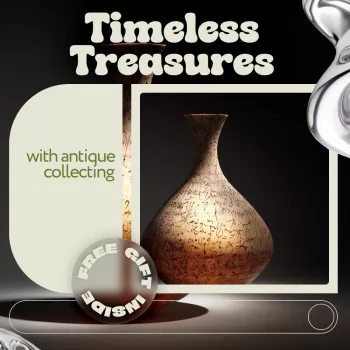
Timeless Treasures with Antique Collecting: A Practical Guide for Beginners and Passionate Collectors
Antique collecting rewards curiosity, patience, and a few good habits that protect both your budget and your finds. Our team put this guide together for shoppers who want practical antique collecting ideas—how to spot quality, research what matters, negotiate fairly, and care for pieces so they stay beautiful for years. Use it to build confidence fast, whether your goal is a first “starter” piece or a focused collection with real character.
What “antique” really means—and why it matters when buying
In many categories, “antique” commonly means 100+ years old—but age alone doesn’t automatically equal value. Rarity, condition, maker, and provenance can matter more than an extra decade on the calendar. When you’re shopping, it also helps to recognize the labels sellers use:
- Antique: typically 100+ years old.
- Vintage: usually older, collectible, but under 100 years.
- Reproduction: made later to mimic an older piece.
- Revival: made in a later period, inspired by an older style.
- “In the style of”: style reference only; not a guarantee of age.
Restoration is another make-or-break factor. Some repairs support longevity (like stabilizing a loose joint), while other changes reduce collector value (like stripping an original finish or aggressively polishing patina away). Before you buy, set your collecting intent—decorating, investment, historical interest, gifting—because intent determines what a “good buy” means for you.
A smart starter plan: budget, focus, and a simple buying checklist
The fastest way to learn is to choose one or two categories and go deep instead of buying randomly. Small silver, postcards, vintage kitchenware, clocks, or mid-century décor are all approachable starting points. Build a “learning budget” that includes hidden costs such as shipping, display/storage, cleaning supplies, insurance for higher-value items, and the occasional repair.
We also recommend keeping a collecting notebook (digital works, too). Track purchase date, source, price, measurements, photos, and any marks or labels. That one habit supports better research now and clearer resale documentation later.
Quick inspection checklist to run before paying
| Check | What to look for | Why it matters |
|---|---|---|
| Authenticity cues | Maker’s marks, wear patterns, period-appropriate screws/joints, consistent patina | Helps separate original pieces from later reproductions |
| Condition | Cracks, chips, repairs, replaced parts, wobble, warping, missing hardware | Condition drives value, stability, and long-term enjoyment |
| Materials | Solid wood vs veneer, sterling vs plated, hand-blown vs molded glass | Materials affect price, care needs, and durability |
| Smell & pests | Mustiness, smoke odors, evidence of insects in wood | Prevents bringing persistent odors or pests into the home |
| Documentation | Receipts, appraisals, provenance notes, labels | Supports confidence, insurance, and future resale |
Beginner-friendly antique collecting ideas (with easy “tells” to learn first)
If you’re building skills, start with categories where “tells” are easier to practice and mistakes are usually less expensive.
- Paper goods (postcards, prints, advertisements): You can learn dating clues from printing styles, postmarks, and publisher names. Store pieces in archival sleeves to prevent fading and brittleness.
- Ceramics and china: Maker’s marks and pattern names are your best friends. Check for hairline cracks and repairs under bright, angled light.
- Glass: Look at seams, bases, and rims. Tiny chips often hide on edges and can change both value and usability.
- Metalware (brass, copper, silverplate): Confirm whether an item is solid or plated by looking for hallmarks and consistent wear at high-contact points.
- Small wood items (boxes, frames, tools): Joinery and hardware tell stories—later screws, overly fresh finishes, or mismatched parts can signal major changes.
Shopping sources and how to negotiate without regret
Where you shop changes how you should ask questions and evaluate risk.
Research habits that pay off: dating, marks, and provenance
For conservation-minded care guidance, we keep these references bookmarked: Smithsonian Museum Conservation Institute — Caring for Collections, American Institute for Conservation — Caring for Your Treasures, and Victoria and Albert Museum — Conservation and care.
Care and display: keep finds stable, clean, and beautiful
Use the guide as a repeatable system: buy, learn, refine
If you want a step-by-step resource to keep within reach, our team recommends Timeless Treasures with Antique Collecting – A Practical Guide Filled with Antique Collecting Ideas for Beginners & Passionate Collectors. And for practical shopping days, some collectors like adding small “support tools” to their kit—such as a simple navigation setup like our Universal Car Steering Wheel Phone Mount for Safe Navigation to help you get to estate sales and markets with fewer detours.
FAQ
What are the best antiques to start collecting as a beginner?
Paper goods, small ceramics, and everyday metalware are great places to start because they often have clearer identifiers like marks and patterns and can be found at lower entry costs. Pick one focus, learn the basics of condition and dating, and prioritize pieces that are stable and intact.
How can authenticity be checked without expensive tools?
Look for maker’s marks, consistent wear, and period-appropriate construction (like joints, screws, and materials) and compare what you see to reliable references and sold listings. When buying online, request detailed photos of marks and any damage, and treat unverified stories as “nice to know,” not proof.
What should be avoided when cleaning antiques?
Avoid harsh chemicals, abrasive scrubbing, heavy polishing, soaking porous materials, and DIY fixes that permanently change original surfaces. Gentle, conservation-minded cleaning is safer and helps preserve both appearance and value.
Recommended for you



Was this article helpful?
Yes
No









Leave a comment