-
Shop
- Advanced Technologies
- AI Skills for Creators & Freelancers
- AI Client Management
- AI Ethics
- AI Mindset
- AI Tools & Prompts
- AI Writing & Content Creation
- Audio, Voice & Music
- Design & Visual Creation
- Email, Messaging & Communication
- Freelancing & Business
- Marketing, Ads & Conversion
- Productivity, Workflow & Automation
- SEO & Search Optimization
- Social Media Content & Growth
- Strategy, Planning & Analytics
- Video Creation & Editing
- AI Skills Mastery 2026 Collection
- Bathroom
- Best-Sellers
- Car Accessories
- Confidence
- Dating & Social Skills
- Digital Resources
- Easter Products
- Education & Learning
- Family & Parenting
- Fashion
- Fashion Accessories
- Furniture
- Gadgets
- Health & Beauty
- Health & Wellness
- Home & Garden
- Home Electronics
- Home Supplies
- Jewelry
- Kids & Babies
- Kitchen
- Lighting
- Patio, Lawn & Garden
- Personal Growth
- Pet Care
- Pet Supplies
- Pets
- Shoes
- Smart Home Living Guides
- Sport & Outdoors
- Stress Relief & Relaxation
- Super Deals
- TikTok Growth & Monetization Mastery
- Travel
- Travel & Adventure
- Wealth
- Wellness
AI Wardrobe Planning: Seasonal Capsules & Outfit Prompts
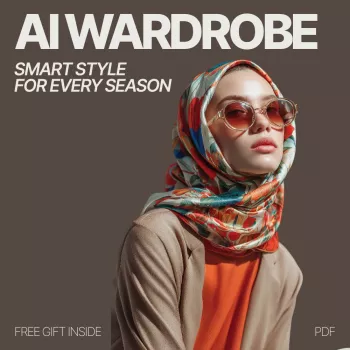
What “smart seasonal style” looks like in daily life
Smart seasonal style isn’t about owning more—it’s about seeing what you already have clearly enough to use it well. Day to day, that usually means five practical wins: a dependable view of your closet, being ready for temperature swings, having repeatable outfits, knowing exactly what’s missing, and cutting down on clutter that creates “nothing to wear” mornings.
- A clear view of what’s owned: categories, colors, fit notes, and condition—so favorites don’t get buried behind “maybe” pieces.
- Seasonal readiness: warm-weather and cold-weather staples surface at the right time, with off-season items stored but easy to retrieve.
- Outfit repeatability: a small set of reliable combinations for work, weekends, events, and travel.
- Gap clarity: knowing whether the next purchase should be footwear, layering, basics, or accessories.
- Less clutter: fewer duplicates, fewer “almost works” pieces, and fewer last-minute buys.
Set up a digital wardrobe inventory (fast, not perfect)
A wardrobe inventory only needs to be useful, not museum-grade. A quick first pass gives you enough structure to build seasonal capsules and outfit banks without getting stuck.
- Start with a quick capture pass: photograph items on a hanger or laid flat in consistent lighting.
- Log essentials for each item: type, color, brand (optional), size, fit notes, warmth level, and care needs.
- Add real-life tags that matter: “work,” “weekend,” “formal,” “rain,” “gym,” “sensitive fabric,” “needs tailoring.”
- Track frequency: mark items worn often vs. rarely; treat “rarely” as candidates for tailoring, re-styling, or donating.
- Create a simple color palette map: neutrals, core colors, accent colors—so mixing and matching becomes automatic.
Minimum item fields that make planning easier
| Field | Why it helps | Example |
|---|---|---|
| Category | Build outfits by function | T-shirt, blazer, jeans, sneakers |
| Season range | Prevents off-season clutter | Spring–Fall; Winter only |
| Warmth rating | Supports layering decisions | Light / Medium / Heavy |
| Fit note | Avoids uncomfortable outfits | Runs short; needs belt |
| Occasion tags | Speeds up outfit selection | Office, travel, date night |
| Condition | Guides replacements and repairs | Great; needs re-sole |
Build four mini-capsules instead of one giant closet
Instead of trying to “solve” your entire closet at once, build four smaller seasonal capsules that match your climate and schedule. Each one should cover tops, bottoms, layers, outerwear, footwear, plus one or two statement pieces that make the season feel current.
If you want a guided, done-for-you structure for the whole year, AI Wardrobe: Smart Style for Every Season – AI-Powered Fashion Planning Guide is built around a simple capture-to-capsule workflow, so outfits and packing lists stay consistent as weather changes.
Use AI prompts to plan outfits that match weather, schedule, and style
Planning works best when it respects the forecast and the calendar. Use reliable forecast data (like the NOAA National Weather Service) to plan for temperature ranges and precipitation, then assign outfits to the kinds of days you actually have: office blocks, errands, dinners, travel, and events.
Seasonal outfit-planning prompts (copy and adapt)
| Goal | Prompt to use | What to save |
|---|---|---|
| Weekly work outfits | Using my wardrobe list, create 5 office outfits for 55–70°F with one light layer. Avoid repeating the same shoes more than twice. | 5 outfits + a backup option |
| Rainy-day plan | Make 3 outfits for rain and 45–60°F that keep hems dry and include a water-resistant layer. | Rain capsule checklist |
| Transition season | Build 10 outfits for 50–65°F using layering. Prioritize pieces that can be worn open or closed. | Layering combinations |
| Special event | Create 2 polished outfits for a dinner event using my existing items. Include accessory suggestions and a warm outer layer. | Event outfit formula |
| Shopping restraint | Based on my outfit gaps, list the top 3 additions that create the most new outfits. Prioritize versatility and cost-per-wear. | Short, ranked shopping list |
Footwear often determines whether an outfit feels “finished” or improvised. If your capsule needs a clean, versatile anchor, Armani Exchange Men’s Sneakers can function as a repeatable base for casual-to-polished looks across multiple seasons, depending on how you style layers and outerwear.
A simple seasonal swap routine (30–60 minutes)
When deciding what to donate or sell, keep the focus on reducing waste through reuse and smarter purchasing habits. Practical guidance on waste reduction is available from the U.S. Environmental Protection Agency.
Footwear and finishing touches that make outfits feel intentional
Putting it all together with an AI-powered planning guide
To streamline the process end-to-end, AI Wardrobe: Smart Style for Every Season – AI-Powered Fashion Planning Guide can act as your repeatable template for seasonal swaps, outfit planning, and gap-based shopping.
FAQ
Does an AI wardrobe planner replace personal style?
No. It supports organization and idea generation, but your preferences, comfort, dress code, and boundaries decide what gets worn. Using constraints like a consistent color palette and preferred silhouettes keeps outfit suggestions aligned with your style.
How many pieces are enough for a seasonal capsule?
A practical range is often 25–45 pieces per season, depending on climate and dress code, including outerwear and footwear. What matters most is having enough repeatable outfits for your actual week, not hitting a specific number.
What’s the quickest way to start if time is limited?
Do a 20-minute sprint: photograph your 20 most-worn items, tag them by season and occasion, generate 10 outfit combinations, and note 1–3 gaps that block those outfits. Expand later by adding a few items each week.
Recommended for you

Was this article helpful?
Yes
No









Leave a comment