-
Shop
- Advanced Technologies
- AI Skills for Creators & Freelancers
- AI Client Management
- AI Ethics
- AI Mindset
- AI Tools & Prompts
- AI Writing & Content Creation
- Audio, Voice & Music
- Design & Visual Creation
- Email, Messaging & Communication
- Freelancing & Business
- Marketing, Ads & Conversion
- Productivity, Workflow & Automation
- SEO & Search Optimization
- Social Media Content & Growth
- Strategy, Planning & Analytics
- Video Creation & Editing
- AI Skills Mastery 2026 Collection
- Bathroom
- Best-Sellers
- Car Accessories
- Confidence
- Dating & Social Skills
- Digital Resources
- Easter Products
- Education & Learning
- Family & Parenting
- Fashion
- Fashion Accessories
- Furniture
- Gadgets
- Health & Beauty
- Health & Wellness
- Home & Garden
- Home Electronics
- Home Supplies
- Jewelry
- Kids & Babies
- Kitchen
- Lighting
- Patio, Lawn & Garden
- Personal Growth
- Pet Care
- Pet Supplies
- Pets
- Shoes
- Smart Home Living Guides
- Sport & Outdoors
- Stress Relief & Relaxation
- Super Deals
- TikTok Growth & Monetization Mastery
- Travel
- Travel & Adventure
- Wealth
- Wellness
Adjustable Overbed Table Guide: Comfort, Fit, Stability
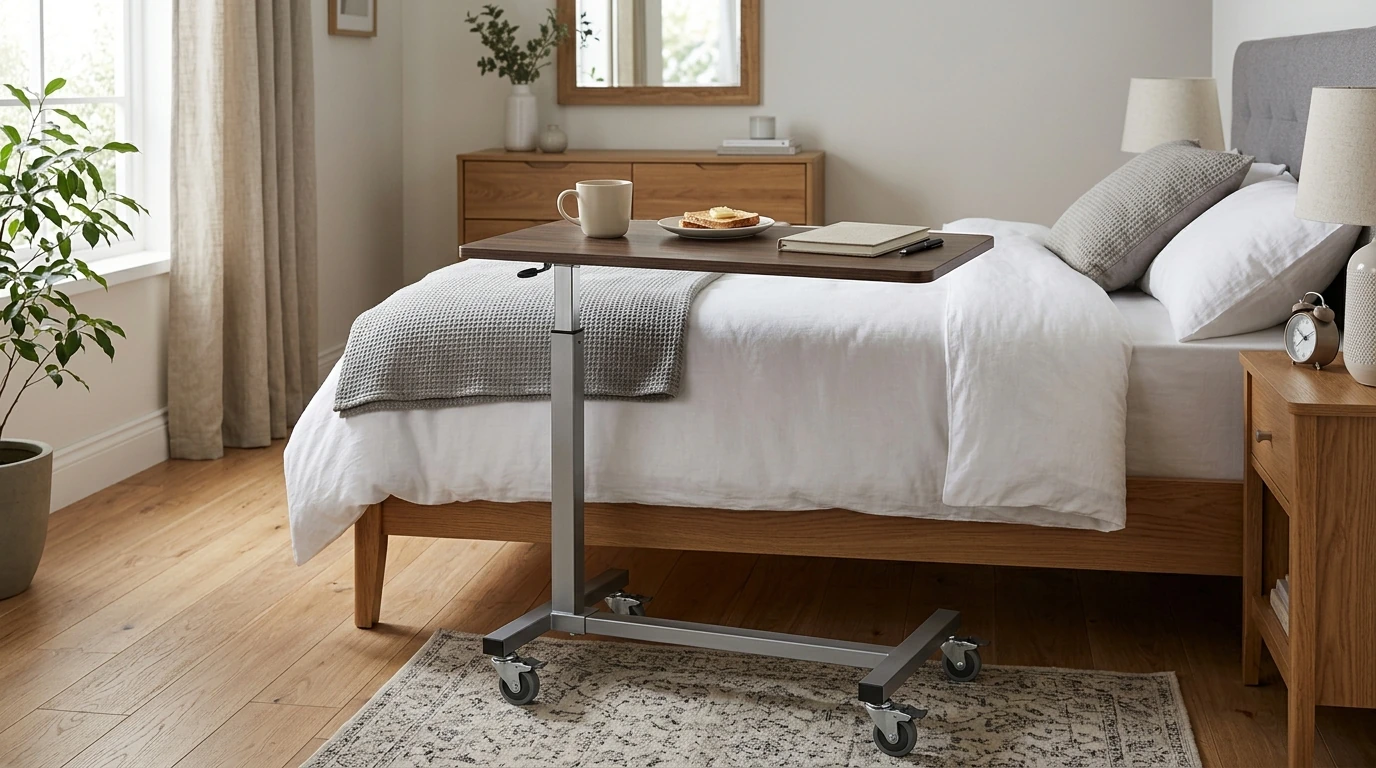
Adjustable Overbed Table: Comfortable Support for Meals, Work, and Recovery
An adjustable overbed table can make day-to-day life noticeably easier when spending extra time in bed or on a sofa—whether you’re recovering from surgery, managing limited mobility, or simply creating a more comfortable setup for reading and device use. With the right height range, a stable base, and a wipe-clean surface, it helps keep essentials close and reduces the awkward balancing that often leads to spills, strain, or clutter.
Below are practical ways people use overbed tables, the features that matter most, and simple habits that help the table feel secure and reliable over the long term.
Everyday uses that benefit from an overbed table
- Meals and drinks: Keeps plates and cups level and reduces spills during recovery, rest, or flare-ups when getting to a dining table is difficult.
- Laptop and tablet use: Creates a stable surface at a more comfortable viewing and typing height than your lap or bedding.
- Medication and self-care: Organizes pill boxes, water, tissues, and personal items so they’re within reach—especially helpful overnight.
- Reading, writing, and hobbies: Supports books, notebooks, crafts, and puzzles without sinking into blankets or shifting every time you move.
- Caregiving support: Useful for feeding, setting down grooming tools, and keeping supplies close during bedside care.
For many households, the biggest improvement is consistency: once the table becomes the “home base” for essentials, it reduces repeated reaching, bending, and getting in and out of bed.
What to look for in an adjustable overbed table
Not all overbed tables feel equally steady or comfortable. Small design details—like how far the base slides under the bed and whether the wheels lock firmly—often determine whether a table gets used daily or pushed into a corner.
- Height range: The surface should clear your mattress height and still adjust to a comfortable working level so your shoulders stay relaxed.
- Base design: A low-profile base slides under beds and sofas more easily; wider bases typically improve stability.
- Top size and edge detail: Look for enough surface area for a meal tray or laptop. A slightly raised edge can help keep items from sliding when repositioning.
- Mobility: Casters help you move the table in and out of position without lifting. Locking wheels matter for steadiness once it’s placed.
- Adjustability type: Smooth height changes are easier to use multiple times per day. Tilt features can be helpful for reading or sketching, but a flat mode remains important for meals and drinks.
- Materials and cleaning: Sealed surfaces wipe clean more easily. Moisture-resistant finishes help with spills and disinfecting.
- Weight capacity and balance: Check the listed support limit, but also prioritize a stable frame that resists wobble during typing.
- Assembly and storage: Clear instructions and a design that fits tighter rooms can make a big difference, especially in shared bedrooms or apartments.
Quick comparison: features that matter most
| Feature | Why it matters | Best for |
|---|---|---|
| Height adjustment | Aligns the surface with mattress/sofa height and preferred posture | Eating, laptop work, bedside care |
| Locking casters | Prevents rolling when leaning or typing | Recovery setups, seniors, uneven flooring |
| Low-profile base | Slides under most bed frames and sofas | Small rooms, close positioning |
| Easy-clean top | Helps with hygiene after meals and for shared caregiving spaces | Daily meals, assisted living |
| Stable frame | Reduces wobble during typing, writing, and transfers | Work-from-bed, rehab routines |
Setup tips for a safer, more comfortable fit
Care, cleaning, and longevity
Overbed tables are often used for meals, medications, and shared caregiving tasks, so regular cleaning matters for both appearance and hygiene. General public health guidance for cleaning and disinfecting high-touch surfaces can be found through the CDC’s cleaning and disinfecting recommendations.
For broader context on assistive equipment used at home, NIH MedlinePlus offers a helpful overview of common assistive devices and how they support daily living.
Featured option: Adjustable Overbed Table
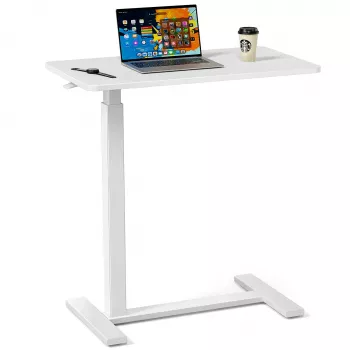
If you want a straightforward solution for bedside meals, reading, and device use, the Adjustable Overbed Table is a practical pick. It’s designed to adjust for different bed and sofa heights, making it useful during recovery periods and for everyday convenience in smaller living spaces.
Helpful add-on for bedside routines
When an overbed table becomes your main “reach zone,” it can also support simple self-care routines—like keeping oral care items within easy reach at night or during recovery. The Triple-Sided Ultra-Fine Soft Bristle Toothbrush for Enhanced Oral Health is an easy-to-store option that fits well in a small bedside caddy or tray.
FAQ
Will an overbed table fit under most beds?
Many overbed tables use a low-profile base that slides under common bed frames, but fit depends on your bed’s clearance and the base height (including wheel size). Measure the open space under your bed, and keep in mind that thick rugs can reduce effective clearance and make rolling harder.
Is an adjustable overbed table stable enough for a laptop?
Yes, if the frame is sturdy, the top is large enough for your device, and the casters lock securely. Keep the laptop centered, avoid leaning heavily on the edge, and consider a mouse pad for smoother use on wipe-clean surfaces.
How should an overbed table be cleaned and disinfected?
For routine cleaning, wipe the surface with mild soap and water, then dry thoroughly; disinfect as needed for shared spaces or illness. Avoid harsh abrasives, and periodically clear debris from casters so the table rolls and locks properly.
Recommended for you


Was this article helpful?
Yes
No









Leave a comment