-
Shop
- Advanced Technologies
- AI Skills for Creators & Freelancers
- AI Client Management
- AI Ethics
- AI Mindset
- AI Tools & Prompts
- AI Writing & Content Creation
- Audio, Voice & Music
- Design & Visual Creation
- Email, Messaging & Communication
- Freelancing & Business
- Marketing, Ads & Conversion
- Productivity, Workflow & Automation
- SEO & Search Optimization
- Social Media Content & Growth
- Strategy, Planning & Analytics
- Video Creation & Editing
- AI Skills Mastery 2026 Collection
- Bathroom
- Best-Sellers
- Car Accessories
- Confidence
- Dating & Social Skills
- Digital Resources
- Easter Products
- Education & Learning
- Family & Parenting
- Fashion
- Fashion Accessories
- Furniture
- Gadgets
- Health & Beauty
- Health & Wellness
- Home & Garden
- Home Electronics
- Home Supplies
- Jewelry
- Kids & Babies
- Kitchen
- Lighting
- Patio, Lawn & Garden
- Personal Growth
- Pet Care
- Pet Supplies
- Pets
- Shoes
- Smart Home Living Guides
- Sport & Outdoors
- Stress Relief & Relaxation
- Super Deals
- TikTok Growth & Monetization Mastery
- Travel
- Travel & Adventure
- Wealth
- Wellness
Absorbent Bathroom Door Mat for Dry, Safer Floors
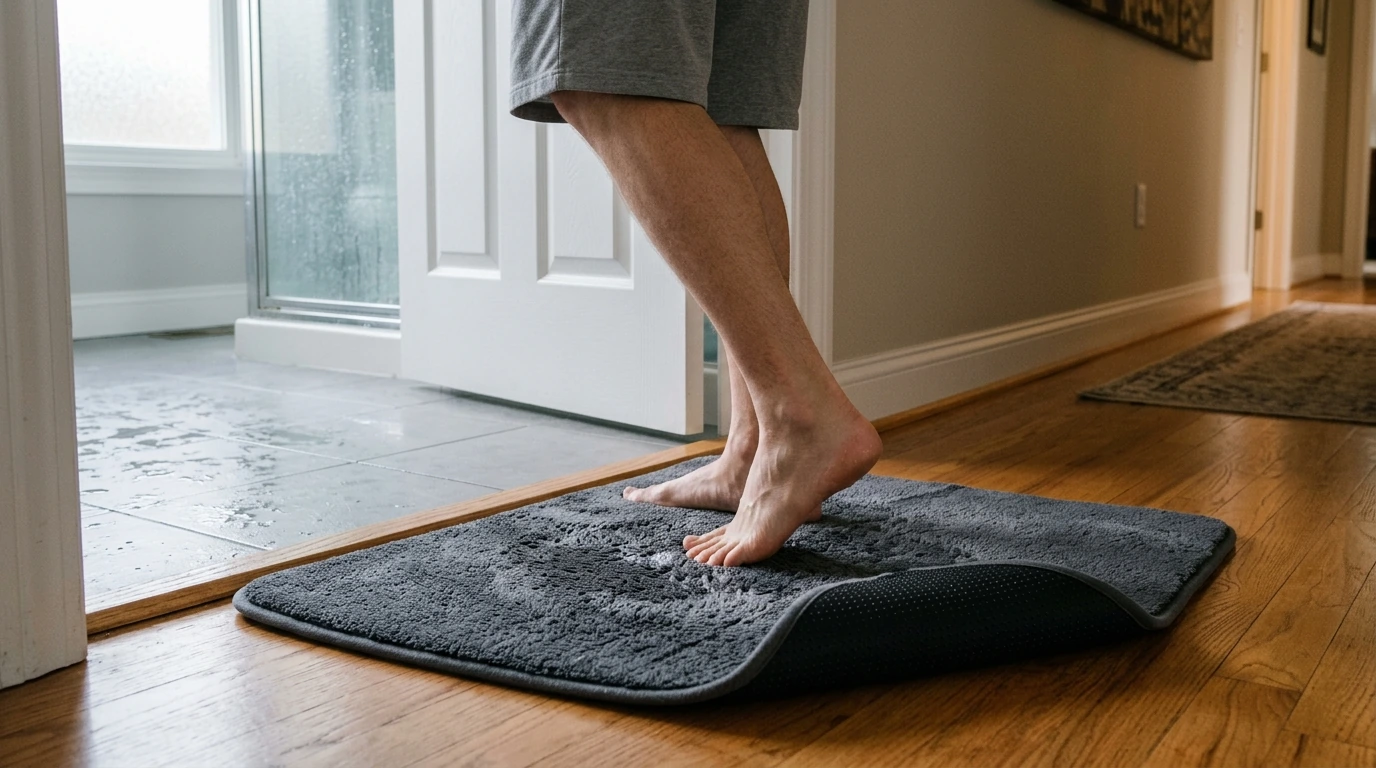
Absorbent Bathroom Door Mat: Comfort, Dry Floors, and Safer Steps
A good bathroom door mat does more than look tidy—it helps catch drips, keeps surrounding floors drier, and adds a softer, more stable surface for bare feet. The right choice balances absorbency, quick drying, grip, and easy cleaning so it stays fresh with everyday use. If your bathroom opens into a hallway, bedroom, or carpeted space, the right mat can also reduce that “wet trail” that shows up after showers and handwashing.
What an Absorbent Door Mat Does Well
An absorbent mat placed at the bathroom doorway acts like a small “buffer zone” between wet routines and the rest of the home. When it’s doing its job, you’ll notice less moisture on nearby floors and fewer slippery spots at the threshold.
- Catches water from wet feet after showers, baths, or handwashing
- Helps reduce tracked moisture into bedrooms or hallways outside the bathroom
- Adds a warmer, softer landing spot on tile or stone floors
- Improves footing by creating a consistent surface near the doorway
- Supports a cleaner bathroom by limiting puddles and damp corners
Moisture control matters not only for comfort but also for reducing conditions that can contribute to odor and mildew over time. For practical guidance on moisture and mold prevention, see the EPA’s mold cleanup and moisture resources.
Key Features to Look For
Not all bathroom mats handle water the same way. Some feel soft but stay damp too long; others dry quickly but don’t absorb enough to keep floors comfortable. A strong everyday pick brings these features together:
- Absorbent top layer: plush microfiber or dense fabric that pulls in water quickly
- Fast-drying construction: reduces lingering dampness and helps prevent musty odors
- Non-slip backing: keeps the mat stable on smooth floors (tile, laminate, vinyl)
- Low-profile edge: helps doors clear the mat and reduces tripping at thresholds
- Easy care: machine-washable or quick-rinse materials that maintain softness
- Durability: stitching and backing that hold up to frequent washing and daily stepping
If traction is a priority—especially in homes with kids or older adults—stable footing is a must. For general safety context, OSHA’s overview on slips, trips, and falls highlights how small floor hazards can add up, particularly in high-traffic areas.
Fit and Placement: Getting the Size Right
Even a high-quality mat can underperform if it’s the wrong size or placed where it can’t make full contact with the floor. The sweet spot is a mat that sits flat, clears the door, and covers the main “exit steps” where drips land first.
- Measure the door swing clearance so the mat doesn’t bunch or drag
- Choose a width that covers the main foot-traffic path leaving the bathroom
- For narrow spaces, prioritize a longer runner-style shape to capture more drips
- Keep the mat fully flat; curled corners and folded edges reduce grip and comfort
- If the bathroom opens into carpet, select a mat that holds moisture so it doesn’t wick into carpet fibers
| Placement goal | What to measure/check | Why it matters |
|---|---|---|
| Door clearance | Gap between door bottom and floor; test door swing | Prevents dragging, bunching, and premature wear |
| Coverage | Common exit path width and step length | Catches drips before they spread |
| Floor type | Tile/vinyl/laminate/wood surface smoothness | Determines how important backing grip is |
| Drying conditions | Ventilation and humidity levels | Helps choose faster-drying options |
| Cleaning routine | Washer size and wash frequency | Avoids mats that are hard to launder |
Care and Cleaning for Freshness
Bathroom textiles deal with water, humidity, and whatever gets tracked in from daily routines. A simple care routine keeps the mat absorbent, soft, and less likely to hold onto odors.
- Shake out or vacuum regularly to remove hair and dust that can trap moisture
- Wash on a gentle cycle when needed; avoid high heat if it can degrade backing
- Dry thoroughly between uses—hang over a towel bar or place in a well-ventilated spot
- If odors appear, wash promptly and ensure the mat fully dries before placing back down
- For households with frequent showers, consider alternating two mats so one can dry completely
For broader cleaning best practices (especially when moisture and high-touch areas are involved), the CDC’s guidance on cleaning and disinfecting is a helpful reference for building consistent habits.
Safety Notes: Grip, Thresholds, and Moisture Control
A bathroom door mat should make the doorway safer—not introduce new trip points. A few small checks help prevent shifting, curled edges, and damp build-up.
A Practical Pick: Absorbent Bathroom Door Mat
Shop: Absorbent Bathroom Door Mat
For a small, practical add-on that supports a “fresh routine” vibe in the same space, consider upgrading daily essentials too: Triple-Sided Ultra-Fine Soft Bristle Toothbrush for Enhanced Oral Health.
FAQ
How often should a bathroom door mat be washed?
For most households, washing weekly or every two weeks works well. Wash sooner if it stays damp, looks dirty, or starts to smell musty, and always follow the care label and dry it fully before putting it back down.
Why does my bathroom mat smell even after drying?
Odors often come from trapped moisture, body oils, and detergent buildup that can linger in the fibers. Wash it promptly, use the recommended detergent amount (skip fabric softener if it reduces absorbency), and make sure it dries completely with good ventilation.
How do I stop a bathroom mat from slipping on tile?
Clean and dry the floor under the mat so the backing can grip properly, and make sure the mat’s backing is clean and fully dry. If slipping continues, add a rug pad made for tile or replace the mat if the backing has hardened or worn down.
Recommended for you


Was this article helpful?
Yes
No









Leave a comment