-
Shop
- Advanced Technologies
- AI Skills for Creators & Freelancers
- AI Client Management
- AI Ethics
- AI Mindset
- AI Tools & Prompts
- AI Writing & Content Creation
- Audio, Voice & Music
- Design & Visual Creation
- Email, Messaging & Communication
- Freelancing & Business
- Marketing, Ads & Conversion
- Productivity, Workflow & Automation
- SEO & Search Optimization
- Social Media Content & Growth
- Strategy, Planning & Analytics
- Video Creation & Editing
- AI Skills Mastery 2026 Collection
- Bathroom
- Best-Sellers
- Car Accessories
- Confidence
- Dating & Social Skills
- Digital Resources
- Easter Products
- Education & Learning
- Family & Parenting
- Fashion
- Fashion Accessories
- Furniture
- Gadgets
- Health & Beauty
- Health & Wellness
- Home & Garden
- Home Electronics
- Home Supplies
- Jewelry
- Kids & Babies
- Kitchen
- Lighting
- Patio, Lawn & Garden
- Personal Growth
- Pet Care
- Pet Supplies
- Pets
- Shoes
- Smart Home Living Guides
- Sport & Outdoors
- Stress Relief & Relaxation
- Super Deals
- TikTok Growth & Monetization Mastery
- Travel
- Travel & Adventure
- Wealth
- Wellness
60L Waterproof Men’s Travel Backpack: Shoe + Laptop
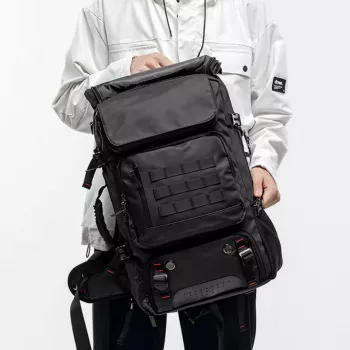
Waterproof 60L Men’s Travel Backpack with Shoe Bag and Laptop Compartment
A travel backpack that can handle rainy commutes, weekend getaways, and longer trips needs more than just space. With a large 60L capacity, a dedicated shoe bag area, and a separate laptop compartment, this setup keeps clean clothes, footwear, and tech organized while staying ready for unpredictable weather. If your days jump from subway platforms to hotel lobbies (and sometimes straight to the gym), a structured, weather-resistant pack can make moving faster and packing less stressful.
What Makes This Backpack a Reliable Trip Companion
When one bag has to cover multiple roles, the details matter. A 60L build gives you true multi-day capacity without forcing you into a second duffel, while separated zones keep items from blending into one bulky pile. Instead of digging for chargers under sweaters—or letting dirt from shoes touch clean clothes—this layout is designed to keep “used,” “clean,” and “fragile” items in predictable places.
For travelers who mix work and training, or city days and outdoor plans, that structure pays off. The waterproof exterior also helps reduce risk during rain, wet benches, and unavoidable splashes during transit. For a closer look, see the Waterproof 60L men’s travel backpack with shoe bag and laptop compartment.
Capacity and Layout: Using 60L Without Overpacking
A 60L backpack can be liberating—or it can tempt overpacking. The easiest way to stay efficient is to pack by category and assign each category a “home.” Use packing cubes for foldable clothing so you can compress volume and avoid the dreaded mid-trip repack.
A practical approach is to reserve the bottom/secondary area for shoes and keep the main compartment for clothing, while smaller pockets hold documents, chargers, and quick-grab items. For comfort, place heavier items (like shoes, a toiletry kit, or a power bank) closer to the back panel so the load stays stable while walking.
Quick Feature Snapshot
| Feature | Why it helps on trips | Best use case |
|---|---|---|
| 60L capacity | Carries multi-day outfits and gear in one bag | Weekend trips to 7+ day travel |
| Shoe bag compartment | Isolates footwear from clean clothing | Gym-to-flight, hiking-to-hotel |
| Laptop compartment | Protects tech and keeps it accessible | Commuting, business travel |
| Waterproof build | Reduces risk from rain and wet surfaces | Transit, outdoor travel, boat days |
| Multi-pocket organization | Cuts down on digging and repacking | Frequent moving between stops |
Shoe Bag Compartment: Cleaner Packing for Gym, Trails, and City Days
The shoe compartment is more than a convenience—it’s a cleanliness system. Shoes pick up dust, street grime, and moisture, and that residue can transfer quickly to clothing if everything shares one open cavity. A separate shoe zone keeps dirt and odor contained, which is especially useful when you’re rotating between training shoes, dress shoes, or sandals.
For gym-to-work or hiking-to-hotel transitions, this separation helps you keep a consistent routine: shoes always go in the same place, so you don’t have to “rethink” your packing every time you move. If you’re building a versatile travel rotation, pairing the bag with a reliable second pair—like men’s sneakers for travel and gym days—can make outfit changes easier without adding clutter to the main compartment.
In a pinch, the shoe area can also hold damp items, but basic precautions help (a small liner bag or a thin plastic sack prevents moisture from lingering). For longer trips, a compact deodorizing pouch or disposable shoe covers can keep the compartment fresher between washes.
Laptop Compartment: Protection and Fast Access
A dedicated laptop section reduces the chance of pressure points from tightly packed clothing and gear. It also makes airport and security transitions smoother: you can reach the laptop without unzipping the entire bag or exposing your clothing in a crowded line. If you carry multiple accessories, using dedicated pockets for chargers and cables helps prevent tangles and protects connectors.
A smart habit is to keep liquids and toiletries away from electronics. A small, sealed pouch for liquids reduces risk, and compact hygiene items help you keep that pouch minimal. For example, a lightweight essential like the triple-sided ultra-fine toothbrush for a compact toiletry kit can help keep your toiletry load streamlined for short trips and long travel days.
Waterproof Performance: What It Protects Against (and What It Doesn’t)
For security screening and carry-on packing rules, it also helps to stay current with official guidance. The TSA’s reference on permitted items is a useful checkpoint before you pack toiletries or tools (TSA: What Can I Bring?), and airline baggage guidance can vary by route and carrier (IATA: Baggage).
Comfort and Carry: Managing a Fully Packed 60L Bag
Practical Packing Setups for Common Trips
If your trip includes driving, keeping navigation visible without juggling your phone can reduce fatigue between stops. A small add-on like a steering wheel phone mount for road trips can help keep directions in view while your backpack stays packed.
Care and Longevity Tips
FAQ
Does the shoe compartment reduce space for clothing?
It uses dedicated volume to keep items separated, but the overall 60L capacity still supports multi-day packing. In practice, the organization often improves usable space because clothing stays compressed and easy to stack.
Will a laptop fit securely in the separate compartment?
The separate section is designed to hold a laptop in its own area for easier access and reduced pressure from other gear. For extra protection, add a slim sleeve and keep liquids sealed and away from electronics.
Is the backpack suitable for carry-on travel?
Carry-on size rules vary by airline, route, and aircraft type, so it’s best to check your carrier’s current limits before flying. Packing lighter and keeping the profile compact can help the bag stay within typical constraints.
Recommended for you
Was this article helpful?
Yes
No









Leave a comment