-
Shop
- Advanced Technologies
- AI Skills for Creators & Freelancers
- AI Client Management
- AI Ethics
- AI Mindset
- AI Tools & Prompts
- AI Writing & Content Creation
- Audio, Voice & Music
- Design & Visual Creation
- Email, Messaging & Communication
- Freelancing & Business
- Marketing, Ads & Conversion
- Productivity, Workflow & Automation
- SEO & Search Optimization
- Social Media Content & Growth
- Strategy, Planning & Analytics
- Video Creation & Editing
- AI Skills Mastery 2026 Collection
- Bathroom
- Best-Sellers
- Car Accessories
- Confidence
- Dating & Social Skills
- Digital Resources
- Easter Products
- Education & Learning
- Family & Parenting
- Fashion
- Fashion Accessories
- Furniture
- Gadgets
- Health & Beauty
- Health & Wellness
- Home & Garden
- Home Electronics
- Home Supplies
- Jewelry
- Kids & Babies
- Kitchen
- Lighting
- Patio, Lawn & Garden
- Personal Growth
- Pet Care
- Pet Supplies
- Pets
- Shoes
- Smart Home Living Guides
- Sport & Outdoors
- Stress Relief & Relaxation
- Super Deals
- TikTok Growth & Monetization Mastery
- Travel
- Travel & Adventure
- Wealth
- Wellness
43-Gallon Dual-Chamber Compost Tumbler for Easy Turning
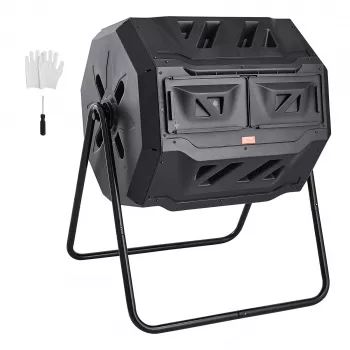
A 43-Gallon Rotating Dual-Chamber Compost Tumbler That Keeps Garden Compost Moving
Kitchen scraps and yard waste add up fast. An outdoor compost bin that rotates makes it easier to turn material regularly, and a dual-chamber layout helps keep one side “cooking” while the other gets filled. Our 43-gallon outdoor compost bin is built for steady, low-mess composting for garden beds, containers, and landscaping—without the constant digging and shoveling that can make composting feel like a chore.
Why a rotating dual-chamber tumbler fits everyday composting
If you want compost you can actually keep up with week to week, a rotating tumbler is one of the most practical setups you can choose. Here’s why it works so well for real-life routines:
- Frequent turning without shoveling: Rotation supports regular mixing so greens (food scraps) and browns (dry leaves, paper) blend more evenly for better airflow.
- Two chambers, one simple rhythm: Fill one side while the other continues breaking down, then swap—no guessing which part of the pile is “done.”
- Cleaner footprint: Closed-bin composting keeps everything contained and tidier than an open heap, especially on patios or in smaller yards.
- Room for steady inputs: A 43-gallon capacity suits households that generate consistent kitchen scraps plus seasonal yard cleanups.
How to run a two-chamber system without guesswork
Our team recommends a repeatable routine you can stick with, even when life gets busy. The goal is consistency—not perfection.
- Start Chamber A with browns: Add a base layer of dry leaves or shredded cardboard first to soak up moisture from food scraps.
- Add in small batches: Alternate greens and browns so the mix stays damp-but-not-soggy. Avoid dumping a full bowl of wet scraps without adding browns.
- Turn routinely: Rotate the bin to keep materials aerated and mixed. Regular turning matters more than hitting an exact schedule.
- When Chamber A is mostly full, switch: Start loading Chamber B with new scraps so Chamber A can finish without constant interruptions.
- Harvest and reset: When compost is crumbly and earthy-smelling, remove it for garden use and restart that chamber with a fresh brown base layer.
What goes in (and what stays out) for cleaner compost
The fastest way to enjoy composting is to keep it low-odor and easy to manage. That comes down to inputs and balance.
- Good “greens”: Fruit and vegetable scraps, coffee grounds, tea leaves (confirm bag materials), and fresh plant trimmings.
- Good “browns”: Dry leaves, shredded non-glossy paper/cardboard, straw, and small amounts of untreated sawdust.
- Keep out to reduce odor and pests: Meat, fish, oils, greasy foods, dairy, and large quantities of pet waste.
- Size matters: Cut or tear larger scraps so they break down faster and mix more evenly during rotation.
- Moisture checks: If the mix looks wet or smells sour, add browns. If it looks dry and inactive, add a little water and more greens.
For deeper home-compost basics, you can also reference the U.S. Environmental Protection Agency composting guide and Cornell’s Composting Resources.
Quick comparison: tumbler vs. open pile vs. single-bin
Choose a setup that matches your space, turning comfort, and how continuously you want compost for the garden. A dual-chamber tumbler emphasizes convenience and continuous processing rather than maximum volume at the lowest cost.
| Setup | Best for | Turning effort | Workflow | Trade-offs |
|---|---|---|---|---|
| Rotating dual-chamber tumbler (43-gallon class) | Continuous household + garden scraps with a tidy footprint | Low (rotate to mix) | Fill one side while the other finishes | Typically higher upfront cost than a simple pile |
| Open pile | High-volume yard waste, plenty of space | Higher (fork/shovel turning) | Add continuously, manage as a single mass | Less contained; can be messy and weather-dependent |
| Single-bin (non-rotating) | Simple containment for moderate inputs | Medium (manual turning inside bin) | Add and wait; harvest from bottom if designed for it | Harder to separate “new” from “nearly finished” material |
Where a 43-gallon outdoor compost tumbler shines in the garden
- Raised beds: Top-dress finished compost before planting or between plantings to steadily build soil structure.
- Container gardens: Blend compost into potting mixes in small portions. Compost is usually a supplement rather than a total replacement for potting mix.
- Lawns and landscaping: Apply compost as a thin layer to help improve soil over time.
- Seasonal cleanup: Use fall leaves as your “brown” supply alongside kitchen scraps through winter/early spring where climate allows.
Easy habits that keep compost fresher and faster
Recommended picks from our store
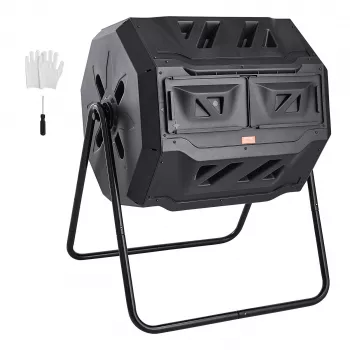
- Large 43-Gallon Outdoor Compost Bin – Rotating Dual Chamber Tumbler for Garden
- Triple-Sided Ultra-Fine Soft Bristle Toothbrush for Enhanced Oral Health
- Universal Car Steering Wheel Phone Mount for Safe Navigation
FAQ
How often should a rotating compost tumbler be turned?
A dependable cadence is to give it a few turns regularly so materials stay mixed and aerated. If the mix gets wet or smells off, turn a bit more and add browns; if it’s dry and quiet, add a touch of moisture and keep turning consistently.
Can a dual-chamber compost tumbler handle kitchen scraps without attracting pests?
Yes, when you keep out meat, dairy, and oily foods and balance scraps with plenty of browns to reduce odor. Keeping the bin closed and covering fresh scraps with dry material helps prevent smells that attract pests.
When is compost ready to use in the garden?
Finished compost looks dark and crumbly, smells earthy, and no longer shows recognizable food scraps. If you want extra assurance for sensitive seedlings, let it rest briefly before heavy planting.
Recommended for you
Was this article helpful?
Yes
No









Leave a comment