-
Shop
- Advanced Technologies
- AI Skills for Creators & Freelancers
- AI Client Management
- AI Ethics
- AI Mindset
- AI Tools & Prompts
- AI Writing & Content Creation
- Audio, Voice & Music
- Design & Visual Creation
- Email, Messaging & Communication
- Freelancing & Business
- Marketing, Ads & Conversion
- Productivity, Workflow & Automation
- SEO & Search Optimization
- Social Media Content & Growth
- Strategy, Planning & Analytics
- Video Creation & Editing
- AI Skills Mastery 2026 Collection
- Bathroom
- Best-Sellers
- Car Accessories
- Confidence
- Dating & Social Skills
- Digital Resources
- Easter Products
- Education & Learning
- Family & Parenting
- Fashion
- Fashion Accessories
- Furniture
- Gadgets
- Health & Beauty
- Health & Wellness
- Home & Garden
- Home Electronics
- Home Supplies
- Jewelry
- Kids & Babies
- Kitchen
- Lighting
- Patio, Lawn & Garden
- Personal Growth
- Pet Care
- Pet Supplies
- Pets
- Shoes
- Smart Home Living Guides
- Sport & Outdoors
- Stress Relief & Relaxation
- Super Deals
- TikTok Growth & Monetization Mastery
- Travel
- Travel & Adventure
- Wealth
- Wellness
2 Silicone Basting Brushes for Baking & Grilling
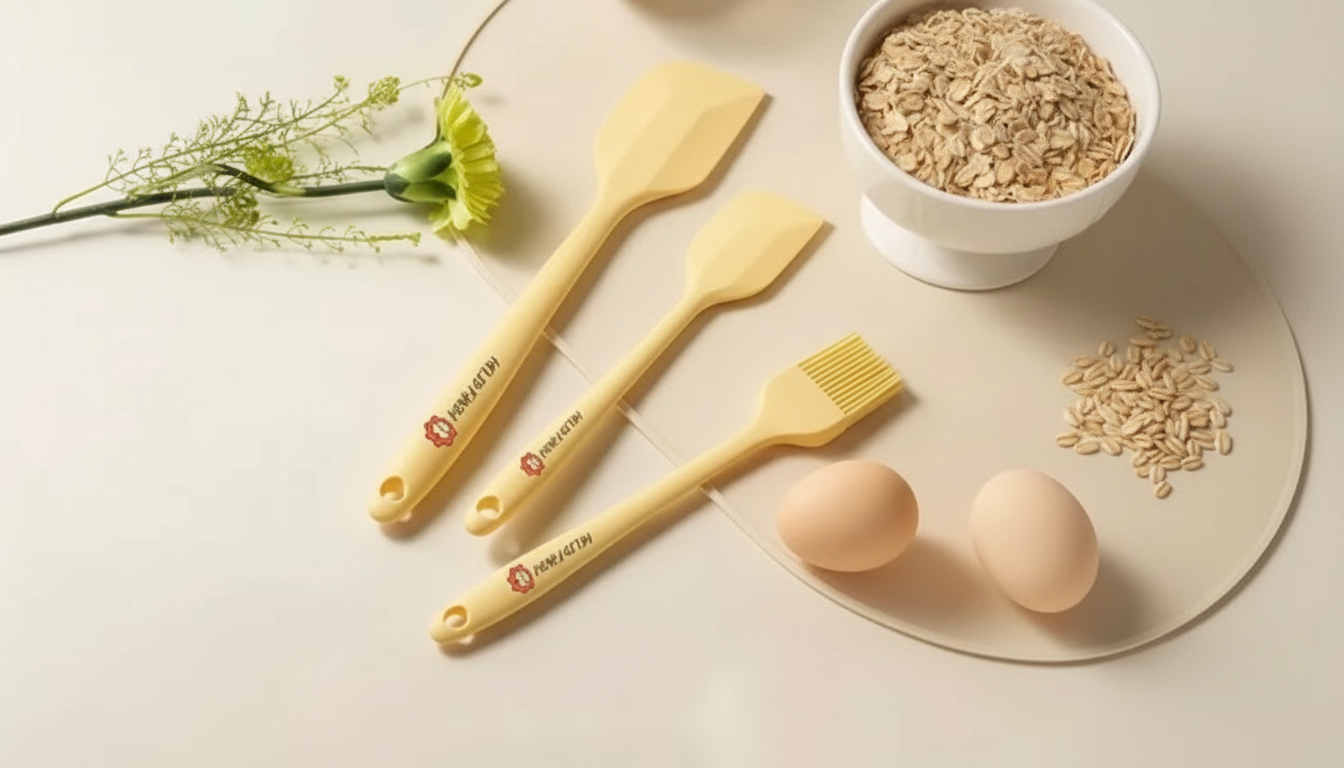
2-Piece Silicone Heat Resistant Basting & Pastry Brush Set: Clean, Even Glazing for Baking and Grilling
A dependable pastry brush makes glazing, buttering, saucing, and basting faster and less messy. This 2-piece silicone brush set is designed for high-heat cooking, easy cleanup, and consistent coverage—use one brush for sweet applications and the other for savory to keep flavors distinct.
What Comes in the Set and What Each Brush Does Best
The 2-Piece Silicone Heat Resistant Basting & Pastry Brush Set includes two silicone brushes sized for everyday kitchen tasks. Having a pair is especially practical when a recipe shifts from “neutral” steps (oiling, buttering) to strongly flavored steps (garlic butter, smoky BBQ sauce) and you want clean separation without stopping to deep-clean mid-cook.
- Use one brush for sweet baking: buttering pastry, applying milk wash, egg wash, or a final syrup glaze.
- Use the second brush for savory cooking: basting chicken, spreading marinades, brushing oil on grill grates, or finishing roasted vegetables with sauce.
- Silicone bristles help deliver an even coat without shedding the way some natural bristles can.
- Lightweight and compact, it stores easily in a utensil drawer and travels well in a picnic bag or grill kit.
Why Silicone Bristles Work Well for High-Heat Cooking
Silicone is a go-to material in many kitchens because it stays flexible and is easy to rinse clean. For brushing near ovens, grills, and hot sheet pans, silicone bristles help you work quickly without the worry of stray bristles clinging to food.
- Heat-resistant performance supports tasks near hot grates and pans, where traditional brushes can be more problematic.
- Flexible bristles conform to uneven surfaces (chicken skin, rib racks, scored bread, ridged pastries) for more uniform coverage.
- Non-absorptive behavior helps reduce flavor carryover compared with absorbent natural bristles.
- Built for repeated use: rinse quickly between steps (oil → sauce → glaze) when cooking in stages.
Common tasks and practical tips
| Task | Tip for better results | Where the second brush helps |
|---|---|---|
| Egg wash on pastries | Brush lightly in one direction to avoid pooling at edges | Keep a separate brush for savory glazes to prevent onion/garlic notes in desserts |
| Butter on bread or rolls | Warm butter slightly for smoother spreading | Dedicate the second brush to garlic butter or herb-infused butter |
| BBQ basting on grill | Apply during the final minutes to reduce burning sugars | Use one for oiling grates and the other for sauce |
| Oiling pans and sheet trays | Brush corners and seams to prevent sticking | Keep a second brush for sweet baking pans to avoid smoky residue |
| Glazing roasted vegetables | Toss first, then brush extra glaze on flat surfaces | Use a separate brush for spicy or allergen-containing sauces |
Everyday Kitchen Scenarios: Baking, Air Frying, Roasting, and Grilling
A two-brush setup shines when meals include both delicate bakes and bold grill flavors on the same day. Instead of “making do” with a single brush that carries aroma from task to task, a paired set keeps results cleaner and more predictable.
- Baking: Apply egg washes, milk washes, butter glazes, and syrup finishes. A brush is also handy for sweeping excess flour off shaped dough before baking for a cleaner crust.
- Air fryer: Lightly oil foods and baskets for crisping; apply sticky sauces near the end to reduce smoke and sugar buildup.
- Roasting: Brush olive oil and seasonings onto vegetables for more even browning, especially on cut sides that contact the pan.
- Grilling: Baste proteins and brush marinades while controlling flare-ups by timing sugary sauces later in the cook.
- Meal prep: Assign one brush to sweet and one to savory, or keep one reserved for allergen-containing sauces (such as peanut-based glazes) to reduce cross-contact during batch cooking.
For grilling poultry and meats, pairing basting with safe doneness is key; check recommended internal temperatures from the USDA Food Safety and Inspection Service to finish confidently.
Cleaning and Care for Long-Lasting Use
Silicone brushes are designed to be low-fuss, but a few quick habits keep them fresher and easier to use over time—especially after thick, sugary sauces.
Silicone is widely used in food-contact tools; for general information about regulated food-contact substances, the U.S. Food & Drug Administration provides background on food packaging and contact materials.
Practical Buying Notes: What to Look For in a Silicone Brush Set
Product Snapshot: 2-Piece Silicone Heat Resistant Basting & Pastry Brush Set
At-a-glance details
| Item | Details |
|---|---|
| Product | 2-Piece Silicone Heat Resistant Basting & Pastry Brush Set |
| Availability | In stock |
| Price | 2.51 USD |
| Best for | Basting, glazing, pastry wash, oiling pans/grates |
Small, useful add-ons also in stock
- Triple-Sided Ultra-Fine Soft Bristle Toothbrush for Enhanced Oral Health (easy extra to toss in a travel kit)
- Universal Car Steering Wheel Phone Mount for Safe Navigation (handy for road trips to cookouts and picnics)
FAQ
Can silicone pastry brushes be used on a hot grill?
Yes—heat-resistant silicone is commonly used for grilling and basting. Avoid leaving the brush resting on hot grates or directly over flames for extended periods, and set it on a cooler tray or plate between uses.
Do silicone brushes hold onto flavors like garlic or smoke?
Silicone is less absorbent than natural bristles, but strong aromas can linger. Washing promptly and briefly soaking in warm, soapy water helps, and dedicating one brush to savory tasks keeps sweet applications cleaner.
Are silicone pastry brushes safe for food contact?
Food-contact silicone is widely used for kitchen tools. Follow the care instructions, avoid using a brush that’s torn or degraded, and replace it if the bristles or surface show damage.
Recommended for you


Was this article helpful?
Yes
No









Leave a comment