-
Shop
- Advanced Technologies
- AI Skills for Creators & Freelancers
- AI Client Management
- AI Ethics
- AI Mindset
- AI Tools & Prompts
- AI Writing & Content Creation
- Audio, Voice & Music
- Design & Visual Creation
- Email, Messaging & Communication
- Freelancing & Business
- Marketing, Ads & Conversion
- Productivity, Workflow & Automation
- SEO & Search Optimization
- Social Media Content & Growth
- Strategy, Planning & Analytics
- Video Creation & Editing
- AI Skills Mastery 2026 Collection
- Bathroom
- Best-Sellers
- Car Accessories
- Confidence
- Dating & Social Skills
- Digital Resources
- Easter Products
- Education & Learning
- Family & Parenting
- Fashion
- Fashion Accessories
- Furniture
- Gadgets
- Health & Beauty
- Health & Wellness
- Home & Garden
- Home Electronics
- Home Supplies
- Jewelry
- Kids & Babies
- Kitchen
- Lighting
- Patio, Lawn & Garden
- Personal Growth
- Pet Care
- Pet Supplies
- Pets
- Shoes
- Smart Home Living Guides
- Sport & Outdoors
- Stress Relief & Relaxation
- Super Deals
- TikTok Growth & Monetization Mastery
- Travel
- Travel & Adventure
- Wealth
- Wellness
15L Portable Car Fridge with Freezer Range & Bluetooth
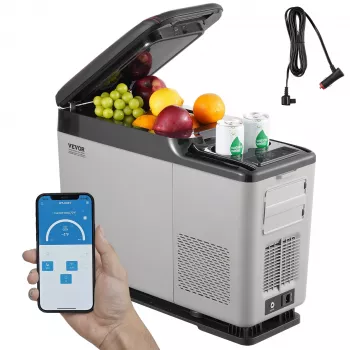
Portable Cooling That Fits the Way You Travel
A compact car refrigerator can keep groceries, drinks, meal prep, and medications at stable temperatures while driving, camping, or working from a vehicle. This 15L unit adds two practical upgrades—an adjustable freezer range and Bluetooth control—so temperature changes and monitoring are simple even when the fridge is strapped down in the cargo area. For anyone tired of soggy ice, leaked cooler water, or guessing whether food stayed cold enough, a small powered fridge can make everyday driving and weekend trips feel a lot more organized.
If you want a purpose-built option for cars and campsites, see the Portable 15L Car Refrigerator with Adjustable Freezer and Bluetooth Control.
What Makes This 15L Car Refrigerator Different
This style of portable fridge focuses on practical capacity and easy control—two things that matter most when the unit is sharing space with luggage, gear, or work tools.
- 15L capacity suited for day trips, commutes, delivery routes, and two-person camping setups.
- Adjustable temperature control so you can switch between chilled storage and freezing when the load changes.
- Bluetooth control for setting temperature and checking status without reaching the unit in the trunk or cargo area.
- Portable, vehicle-friendly footprint that fits many trunks, back seats, and truck cabs.
- Handles mixed loads like beverages, dairy, snacks, and a few frozen items for later cooking.
That combination is especially useful when the fridge is wedged behind bags or secured with straps—because the more annoying it is to access, the more valuable remote monitoring becomes.
Best Use Cases: Road Trips, Overlanding, and Everyday Driving
A 15L powered fridge shines when the goal is reliable, repeatable cooling—without the mess of melted ice.
- Weekend road trips: keep drinks cold, pack simple lunches, and reduce last-minute gas station ice runs.
- Camping and overlanding: store perishables safely, then freeze meat or ice packs ahead of time for the next leg.
- Work vehicles: steady cooling for lunch, drinks, and temperature-sensitive items that shouldn’t bake on the seat.
- Grocery runs: prevent thawing or spoilage on longer drives home, particularly during hot summer afternoons.
- Sports and beach days: dependable cold storage without soggy coolers and waterlogged packaging.
For navigation-heavy drives, a secure phone setup also helps keep the cabin calmer. Pairing your cooling setup with a simple accessory like the Universal Car Steering Wheel Phone Mount for Safe Navigation can make pit stops and reroutes less distracting.
Adjustable Freezer: How to Plan Your Food Load
Adjustable cooling is most useful when you plan around the most temperature-sensitive items first, then fill the remaining space for convenience and access.
- Pick a target temperature based on the strictest need: frozen foods require colder settings than produce or drinks.
- Pre-chill or pre-freeze at home when possible to reduce pull-down time in the vehicle.
- Pack by priority: items that must stay frozen together; items you’ll grab often (drinks/snacks) near the top for fast access.
- Use sealed containers to limit moisture transfer and odors when mixing foods.
- Avoid frequent lid openings during high heat; stage a few drinks separately if the fridge will be opened constantly.
Quick temperature planning guide
| Goal | Typical items | Practical tip |
|---|---|---|
| Cold drinks and snacks | Soda, water, fruit, sandwiches | Pre-chill contents to reach serving temp faster |
| Refrigerated groceries | Dairy, eggs, leftovers | Keep a stable setting and minimize lid openings |
| Freezer needs | Frozen meals, meat, ice packs | Group frozen items together and keep space for airflow |
| Mixed trip load | Drinks + a few frozen items | Set for the strictest requirement or separate by insulation bags |
For food safety benchmarks (especially with meat, dairy, and leftovers), refer to the USDA cold food storage chart and the FDA’s food safety guidance for travelers.
Bluetooth Control: Convenience and Safer Adjustments
When a fridge is tucked into a trunk or rear cargo area, “easy controls” can become “impossible controls” once you’re packed. Bluetooth control helps keep small adjustments simple.
- Change temperature without unstrapping or shifting luggage around the unit.
- Check status at a glance before stops—handy when the fridge isn’t visible from the driver’s seat.
- Reduce distractions: make quick adjustments while parked rather than reaching awkwardly around the cabin.
- Smarter camping routine: monitor temperature from a chair or tent entrance instead of opening the lid repeatedly.
Even small reductions in “open-close-check” habits can help temperatures stay steadier, particularly in direct sun or when outside temps spike.
Power and Placement Tips for Reliable Cooling
Cooling performance depends heavily on how the unit is powered and placed. A few setup habits can improve stability and efficiency.
Care, Cleaning, and Food Safety Basics
For a broader overview of foodborne illness prevention on the go, the CDC’s food safety resources are a helpful reference.
15L Size Check: What Typically Fits
FAQ
Can a portable car refrigerator actually freeze items while driving?
Yes—models with an adjustable freezer range can reach freezing temperatures while you drive. Real-world freezing performance depends on outside heat, good airflow around the vents, how full the fridge is, and whether the contents were pre-chilled or pre-frozen.
How does Bluetooth control help in real use?
It lets you check and adjust temperature without moving the fridge, which is especially helpful when it’s strapped into a trunk or rear cargo area. It can also reduce lid openings and unnecessary handling that warm the interior.
What’s the best way to power a car refrigerator on longer trips or while camping?
Most people run it from a vehicle 12V outlet while driving, then switch to a portable power station or auxiliary battery at camp. For reliability, keep vents clear, secure the unit so it can’t tip, and avoid extended runtime on a weak starter battery.
Recommended for you

Was this article helpful?
Yes
No









Leave a comment