-
Shop
- Advanced Technologies
- AI Skills for Creators & Freelancers
- AI Client Management
- AI Ethics
- AI Mindset
- AI Tools & Prompts
- AI Writing & Content Creation
- Audio, Voice & Music
- Design & Visual Creation
- Email, Messaging & Communication
- Freelancing & Business
- Marketing, Ads & Conversion
- Productivity, Workflow & Automation
- SEO & Search Optimization
- Social Media Content & Growth
- Strategy, Planning & Analytics
- Video Creation & Editing
- AI Skills Mastery 2026 Collection
- Bathroom
- Best-Sellers
- Car Accessories
- Confidence
- Dating & Social Skills
- Digital Resources
- Easter Products
- Education & Learning
- Family & Parenting
- Fashion
- Fashion Accessories
- Furniture
- Gadgets
- Health & Beauty
- Health & Wellness
- Home & Garden
- Home Electronics
- Home Supplies
- Jewelry
- Kids & Babies
- Kitchen
- Lighting
- Patio, Lawn & Garden
- Personal Growth
- Pet Care
- Pet Supplies
- Pets
- Shoes
- Smart Home Living Guides
- Sport & Outdoors
- Stress Relief & Relaxation
- Super Deals
- TikTok Growth & Monetization Mastery
- Travel
- Travel & Adventure
- Wealth
- Wellness
12V/24V Heated Seat Cover for Fast Winter Comfort
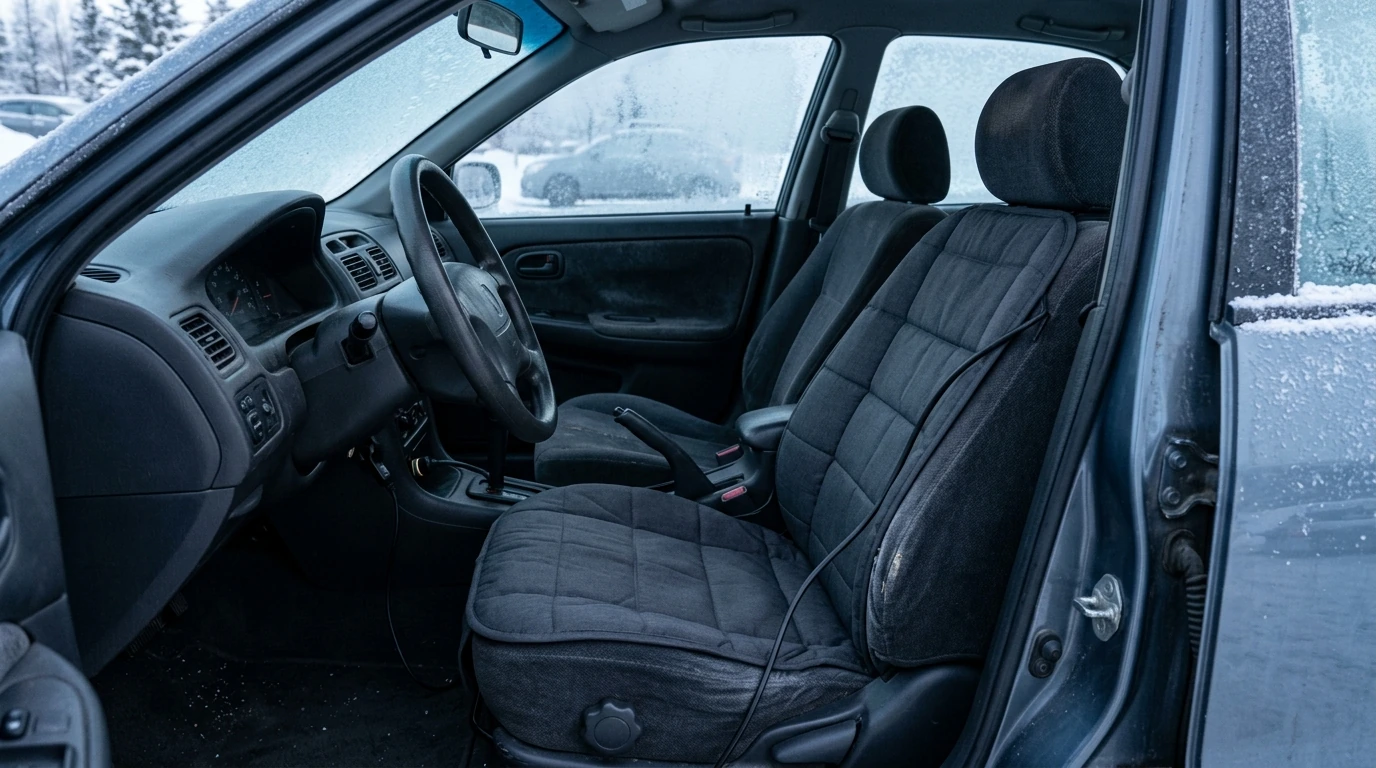
12V/24V Heated Car Seat Cover: Warm, Comfortable Drives Without Waiting on the Cabin Heater
Cold starts and long winter commutes can make any drive feel longer than it should. Our 12V/24V Heated Car Seat Cover adds targeted warmth where it matters most—your seat—so the ride feels comfortable faster, whether you’re making a quick run across town or settling in for hours on the road. Instead of waiting for the whole cabin to heat up, you get warmth at the contact points that feel cold first: your back and seat base.
What This Heated Seat Cover Solves
- Takes the edge off cold seats during early mornings, late-night drives, and winter parking-lot chills.
- Helps the cabin feel comfortable sooner—especially when the vehicle heater takes time to warm up.
- Adds an extra layer of cushioning that can make daily driving and road trips feel less fatiguing.
- Useful beyond winter: helpful in rainy seasons and cooler climates where seats can feel damp or cold.
If you’ve ever started a drive tense and hunched because the seat is freezing, adding warmth directly under you can make the first few minutes feel completely different—especially on short commutes where the defroster and cabin heat barely get going before you arrive.
12V/24V Compatibility: A Practical Fit for More Vehicles
- Designed for 12V and 24V power systems, making it suitable for many passenger vehicles and a wide range of commercial/utility setups.
- A straightforward way to bring heated-seat comfort to vehicles that didn’t come with factory seat heating.
- Best used when the vehicle power outlet is accessible without stretching cords across shifting controls or footwells.
For many drivers, the biggest barrier to “heated seat comfort” is that the vehicle simply didn’t come with it. A plug-in seat cover is a practical workaround—especially if you rotate between vehicles, use a work truck/van, or drive an older car where factory heated seats aren’t available or aren’t consistent anymore.
Comfort Features That Matter on Real Drives
- Seat-top heat targets the contact points that feel coldest first—back and base—so comfort is immediate where it counts.
- Cushioning helps reduce the “hard seat” feel on long commutes, rideshare shifts, or delivery routes.
- Works as a comfort upgrade for older vehicles where seat padding has flattened over time.
- A simple add-on for seasonal driving: install when temperatures drop, remove when the season changes.
Warmth is only half the story—how you feel after an hour behind the wheel matters too. A seat cover that adds cushioning can take some pressure off during long stretches, which is especially useful if you drive for work or take frequent road trips.
Quick Setup and Daily Use Checklist
- Position the cover flat against the seat back and seat base so it sits evenly and doesn’t bunch while driving.
- Route the power lead so it stays clear of pedals, seat rails, and tilt/recline mechanisms.
- Plug into the vehicle outlet only after the cover is properly placed to avoid pulling the connector loose mid-drive.
- Start with a moderate heat setting (if adjustable) and fine-tune after a few minutes of warming.
- Unplug when exiting the vehicle for extended periods to avoid accidental drain on vehicles where the outlet stays powered.
Daily Comfort and Safety Checks
| Check | Why it matters | Quick tip |
|---|---|---|
| Cord routing | Prevents interference with pedals and seat movement | Run the cord along the seat edge, away from footwells |
| Seat belt access | Ensures the belt lies flat and latches cleanly | Confirm the buckle is easy to reach and belt isn’t twisted |
| Cover placement | Keeps heat and cushioning evenly distributed | Smooth out wrinkles before turning heat on |
| Outlet connection | Reduces intermittent power and overheating risk | Push the plug in fully; avoid loose adapters |
| Breaks on long trips | Helps manage comfort and circulation | Stretch every couple of hours and reassess warmth |
Safety and Smart Use (Especially in Winter)
Winter comfort should never come at the cost of restraint or control. Seat belts should fit properly every drive; the National Highway Traffic Safety Administration has a clear overview of why seat belt use matters and how to use them correctly: NHTSA — Seat Belts. And for a broader refresher on cold-weather habits—from traction to visibility—AAA’s seasonal reminders are worth revisiting: AAA — Winter Driving Tips.
Who This Seat Cover Is Great For
Helpful Add-Ons for a More Comfortable Drive
In-stock picks from our team
- 12V/24V Heated Car Seat Cover – Auto Seat Cushion for Ultimate Comfort
- Universal Car Steering Wheel Phone Mount for Safe Navigation
FAQ
Will a 12V/24V heated seat cover work in my vehicle?
Most passenger cars use a 12V system, while many commercial vehicles use 24V; this cover is designed to support both. You’ll want to confirm your vehicle’s outlet/power system and make sure the plug seats firmly so it doesn’t cut in and out during driving.
Can a heated seat cover be used on seats with side airbags?
If your seat has side airbags (often in the outer seat back), you should avoid anything that blocks or constrains the airbag deployment area. Check your vehicle manual for airbag locations and only use seat covers that do not interfere with safe operation.
How should the power cord be routed safely?
Route the cord away from pedals, footwells, seat rails, and any moving seat mechanisms so it can’t snag or pinch. Keeping it tidy along the seat edge helps, and unplugging when you park for long periods is smart if your outlet stays powered.
Recommended for you


Was this article helpful?
Yes
No









Leave a comment