-
Shop
- Advanced Technologies
- AI Skills for Creators & Freelancers
- AI Client Management
- AI Ethics
- AI Mindset
- AI Tools & Prompts
- AI Writing & Content Creation
- Audio, Voice & Music
- Design & Visual Creation
- Email, Messaging & Communication
- Freelancing & Business
- Marketing, Ads & Conversion
- Productivity, Workflow & Automation
- SEO & Search Optimization
- Social Media Content & Growth
- Strategy, Planning & Analytics
- Video Creation & Editing
- AI Skills Mastery 2026 Collection
- Bathroom
- Best-Sellers
- Car Accessories
- Confidence
- Dating & Social Skills
- Digital Resources
- Easter Products
- Education & Learning
- Family & Parenting
- Fashion
- Fashion Accessories
- Furniture
- Gadgets
- Health & Beauty
- Health & Wellness
- Home & Garden
- Home Electronics
- Home Supplies
- Jewelry
- Kids & Babies
- Kitchen
- Lighting
- Patio, Lawn & Garden
- Personal Growth
- Pet Care
- Pet Supplies
- Pets
- Shoes
- Smart Home Living Guides
- Sport & Outdoors
- Stress Relief & Relaxation
- Super Deals
- TikTok Growth & Monetization Mastery
- Travel
- Travel & Adventure
- Wealth
- Wellness
1.6HP Dust Collector for Sandblasting Cabinet Airflow
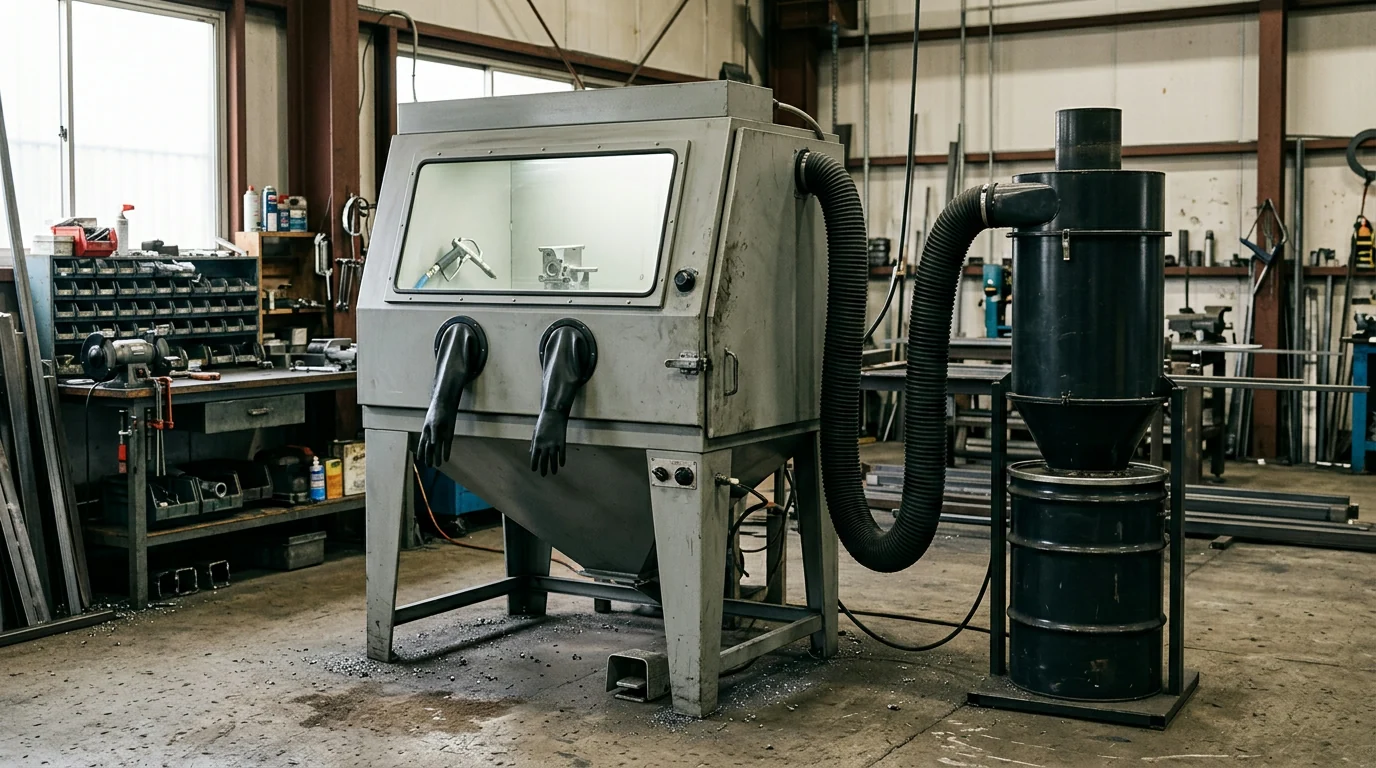
Clear visibility and consistent blasting performance depend on steady airflow and effective filtration. A dedicated dust collector helps pull fine abrasive dust out of the cabinet, reduces media contamination, and keeps the work area cleaner while supporting safer operation practices.
What a cabinet dust collector changes in day-to-day blasting
A sandblasting cabinet can only work as well as its airflow path. When dust hangs in the air, it doesn’t just block your view—it also increases turbulence inside the cabinet and makes it harder to get repeatable results. Adding a dust collection system upgrades the “feel” of blasting in ways most operators notice immediately.
- Improves cabinet visibility by continuously evacuating suspended dust from the viewing area, so you spend less time waiting for the haze to clear.
- Helps maintain more consistent blasting performance by reducing the backpressure created by dust buildup inside the cabinet and in the cabinet’s exhaust path.
- Reduces cleanup time around the cabinet by capturing fine particulate before it escapes through seams, door edges, and glove rings.
- Extends the life of consumables like gloves and window protectors by reducing dust turbulence and grit recirculation that scours surfaces.
- Supports safer operation practices when paired with appropriate PPE and a cabinet that seals well, helping keep abrasive dust where it belongs.
Product overview: 1.6HP Dust Collection System for Sandblasting Cabinets
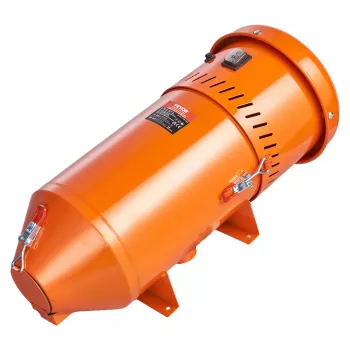
For cabinets that see frequent use or produce a lot of fine dust, a stronger collector can make the difference between “barely acceptable” and “clear and controllable.” The 1.6HP Dust Collection System for Sandblasting Cabinets is built to pair with blasting cabinets that need a more confident draw, especially when sessions run long enough for filters to begin loading.
- Designed for stronger draw on cabinets that create fine dust and see repeated cycles throughout the day.
- 1.6HP motor power supports maintaining usable airflow as filters load during longer blasting sessions.
- Best performance depends on matching the collector to cabinet size, port diameter, and your typical media/dust load.
- Smarter hose routing matters: short, smooth runs with minimal bends preserve airflow and reduce clog points.
- Airtight connections are essential at both the cabinet port and collector inlet to prevent suction loss and dust leaks.
Quick compatibility and setup checklist
| Check item | Why it matters | What to do |
|---|---|---|
| Cabinet port size and adapter fit | Leaks and mismatched diameters reduce suction | Measure the port and use a properly sized adapter or clamp |
| Hose length and bends | Long runs and tight turns increase static pressure | Keep the run short; use gentle curves where possible |
| Filter access and clearance | Frequent cleaning requires easy access | Leave room to remove/clean filters without disassembling the cabinet area |
| Power and placement | Stable power and safe placement prevent downtime | Use a grounded outlet and place the unit away from direct blast media spills |
| Cabinet seals (door, window frame, glove rings) | Air leaks pull shop air instead of cabinet dust | Replace worn gaskets; tighten hardware to reduce leaks |
Sizing and airflow: getting strong draw without fighting your cabinet
Airflow is a system, not a single number. Cabinet volume, media condition, hose diameter, bends, and filter restriction all push and pull on performance. A higher-power collector can help maintain airflow as filters load, but only if the ducting and seals don’t sabotage the draw.
- Cabinet volume and dust load influence how quickly visibility degrades and how hard the collector must work to clear the air.
- Hose and filter restrictions increase over time; keeping transitions smooth helps preserve usable suction.
- Avoid “choking” the inlet with undersized hoses or reducers—match the cabinet port whenever possible.
- Visibility symptoms are clues: if the window fogs quickly, dust lingers after you stop blasting, or dust escapes around doors, check airflow and sealing first.
- Controlled makeup air matters: the cabinet needs a defined inlet (often filtered) so the collector can establish steady flow instead of pulling dust out through cracks.
For general ventilation principles used in industrial dust control, reference sources like ACGIH Industrial Ventilation for the “system” mindset—capture efficiency depends heavily on ducting and pressure losses, not just motor size.
Installation notes that prevent most performance issues
Most dust collector complaints trace back to a short list of installation problems: leaks, poor routing, vibration loosening clamps, or a cabinet that can’t breathe in a controlled way. A careful setup avoids the cycle of constant adjustments.
Filter care and maintenance for steady suction
Troubleshooting common problems
Safety essentials for abrasive blasting dust
For safety guidance, review OSHA Abrasive Blasting Safety and Health Topics and NIOSH guidance on preventing silicosis from sandblasting.
More in-stock picks
- 1.6HP Dust Collection System for Sandblasting Cabinets
- Universal Car Steering Wheel Phone Mount for Safe Navigation
- Triple-Sided Ultra-Fine Soft Bristle Toothbrush for Enhanced Oral Health
FAQ
Will a 1.6HP dust collector fit most sandblasting cabinets?
Fit depends on your cabinet’s dust port diameter, the hose/adapter options, available space beside or behind the cabinet, and your power supply. Measure the port, plan a short smooth hose run, and use properly sized clamps or adapters to avoid leaks and suction loss.
Why does cabinet visibility get worse after a few minutes even with a dust collector?
Most often the filters are loading up, there are air leaks that reduce effective capture, or the cabinet lacks a defined makeup-air inlet so dust gets pulled out through gaps. Check for haze that clears slowly, inspect clamps and gaskets, and evaluate your media for excess fines that can overload filtration quickly.
How often should filters be cleaned or replaced?
Use frequency should drive the schedule: light use may only need periodic cleaning, while heavy blasting can require frequent maintenance to keep suction steady. If clearing slows, haze persists, or dust puffs at seams, inspect and clean filters—then replace them if they’re damaged or can’t be restored per the manufacturer’s guidance.
Recommended for you


Was this article helpful?
Yes
No









Leave a comment