-
Shop
- Advanced Technologies
- AI Skills for Creators & Freelancers
- AI Client Management
- AI Ethics
- AI Mindset
- AI Tools & Prompts
- AI Writing & Content Creation
- Audio, Voice & Music
- Design & Visual Creation
- Email, Messaging & Communication
- Freelancing & Business
- Marketing, Ads & Conversion
- Productivity, Workflow & Automation
- SEO & Search Optimization
- Social Media Content & Growth
- Strategy, Planning & Analytics
- Video Creation & Editing
- AI Skills Mastery 2026 Collection
- Bathroom
- Best-Sellers
- Car Accessories
- Confidence
- Dating & Social Skills
- Digital Resources
- Easter Products
- Education & Learning
- Family & Parenting
- Fashion
- Fashion Accessories
- Furniture
- Gadgets
- Health & Beauty
- Health & Wellness
- Home & Garden
- Home Electronics
- Home Supplies
- Jewelry
- Kids & Babies
- Kitchen
- Lighting
- Patio, Lawn & Garden
- Personal Growth
- Pet Care
- Pet Supplies
- Pets
- Shoes
- Smart Home Living Guides
- Sport & Outdoors
- Stress Relief & Relaxation
- Super Deals
- TikTok Growth & Monetization Mastery
- Travel
- Travel & Adventure
- Wealth
- Wellness
1.5m Soft Kawaii Flexible Ruler: Double-Scale Tape
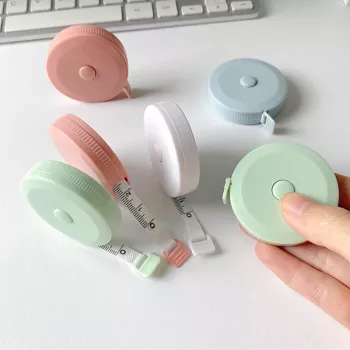
1.5m Soft Kawaii Flexible Ruler for School, Sewing, and Craft Measuring
A flexible measuring tape can handle curves, fabric drape, and quick desk measurements in a way rigid rulers can’t. The 1.5m soft kawaii flexible ruler pairs a gentle, bendable build with clear double-scale markings, making it a practical pick for students, sewists, and crafters who want a compact tool that still measures with confidence.
What It Is and When It Helps Most
This soft ruler is essentially a flexible measuring tape designed to work on both curved and flat surfaces. Instead of fighting a stiff ruler around an armhole or trying to keep a metal tape from springing back, you can wrap, lay, or contour it as needed.
- Soft, flexible measuring tape designed for curved and flat surfaces
- Double-scale layout for switching between metric and imperial measurements without converting
- 1.5m length suits common school projects and many sewing/crafting tasks
- Lightweight and easy to store in pencil cases, sewing kits, or desk drawers
- Handy for body measurements, pattern adjustments, fabric lengths, and quick classroom measuring
It’s especially useful when accuracy depends on following a shape: waist and hip measurements, rounded containers, curved hems, sleeve caps, and craft layouts that bend or wrap around an object.
Key Features to Look For in a Soft Measuring Tape
Not all flexible tapes feel the same in daily use. Small design details can make measuring faster and reduce “almost right” readings that throw off a pattern or project.
- Flexible material that bends smoothly without cracking, so it can follow armholes, waists, and rounded objects
- Readable markings with enough contrast to avoid misreads under indoor lighting
- Consistent scale alignment from the zero point to reduce off-by-one errors when measuring from the end
- A length that matches typical use: 1.5m is practical for garments, crafts, and school work
- Comfortable feel in hand—soft edges help during repeated measuring sessions
For anyone switching between unit systems, it also helps to understand how measurement standards are defined and used in practice. For background, see NIST’s overview of SI units and the National Physical Laboratory guide to units of measurement.
Double Scale: Faster Measuring for School and Sewing
A double-scale measuring tape places metric and imperial markings on the same tool. That matters more than it seems: it reduces mental math, minimizes transcription errors, and lets you match whatever your instructions use—whether that’s millimeters for precision craft spacing or inches for a pattern piece.
- Metric scale supports classroom math/science tasks and many international pattern instructions
- Imperial scale supports inch-based patterns, craft guides, and everyday household measuring
- Switching scales on the same tool reduces conversion mistakes during pattern drafting or homework
- Useful for checking seam allowances, hem lengths, and spacing on crafts without swapping tools
Common Uses for Each Scale
| Task | Metric (cm/mm) | Imperial (in) |
|---|---|---|
| Seam allowance checks | Great for 10–15 mm allowances and quick centimeter checks | Great for 3/8 in, 1/2 in, 5/8 in standards |
| Body measurements | Easy to record in centimeters for fitting notes | Easy to record in inches for many US patterns |
| School geometry/projects | Quick cm measurements for diagrams and models | Quick inch measurements for craft sticks, paper trims |
| Craft spacing and layout | Reliable for small spacing like 5–20 mm | Convenient for 1/4 in and 1/2 in spacing |
Practical Ways to Use a Flexible Tape More Accurately
Flexible tapes are straightforward, but a few habits improve repeatability—especially when you’re measuring fabric that shifts or a body measurement that changes with posture.
- Start from the true zero mark; avoid measuring from a worn or curled end
- Keep the tape flat and snug, not stretched—pulling too tight can shorten the reading
- For body measurements, keep the tape level around the body and check in a mirror for twist
- For fabric, measure on a flat surface when possible to prevent drape from adding length
- Repeat the measurement once; if the readings differ, measure a third time and use the consistent result
For sewing, it’s also smart to separate “checking” measurements (quick, frequent) from “cutting” measurements (final, critical). A soft tape is perfect for quick checks, while final cuts still benefit from careful alignment and a steady surface.
Care and Storage Tips for a Soft Kawaii Ruler
Product Snapshot: 1.5m Soft Kawaii Flexible Ruler
If you want one tape that transitions from classroom measurement to sewing kits and craft drawers, the 1.5m Soft Kawaii Flexible Ruler – Double Scale Measuring Tape for School & Sewing offers a compact length with both unit systems on-board, plus a soft build that’s comfortable to handle during repeated measuring sessions.
Quick Specs
| Detail | Value |
|---|---|
| Product | 1.5m Soft Kawaii Flexible Ruler – Double Scale Measuring Tape for School & Sewing |
| Length | 1.5 m |
| Scale | Double scale (metric and imperial) |
| Type | Soft, flexible measuring tape/ruler |
| Availability | In stock |
More Handy, Small Essentials (In Stock)
- Triple-Sided Ultra-Fine Soft Bristle Toothbrush for Enhanced Oral Health
- Universal Car Steering Wheel Phone Mount for Safe Navigation
FAQ
Is a soft measuring tape accurate enough for sewing patterns?
Yes, as long as the markings are clear, the zero end is intact, and you measure without stretching the tape. For best results, keep it flat and snug, then double-check key measurements like bust, waist, hips, and pattern lengths.
How do you measure body size correctly with a flexible tape?
Stand naturally and keep the tape level and snug (not tight) around the area you’re measuring. Measure over thin clothing or directly, record bust/waist/hips, and repeat once to confirm the same result.
What does “double scale” mean on a measuring tape?
It means the tape shows both metric and imperial units on the same tool. That makes it easier to follow instructions from different sources and helps reduce conversion mistakes.
Recommended for you



Was this article helpful?
Yes
No









Leave a comment