-
Shop
- Advanced Technologies
- AI Skills for Creators & Freelancers
- AI Client Management
- AI Ethics
- AI Mindset
- AI Tools & Prompts
- AI Writing & Content Creation
- Audio, Voice & Music
- Design & Visual Creation
- Email, Messaging & Communication
- Freelancing & Business
- Marketing, Ads & Conversion
- Productivity, Workflow & Automation
- SEO & Search Optimization
- Social Media Content & Growth
- Strategy, Planning & Analytics
- Video Creation & Editing
- AI Skills Mastery 2026 Collection
- Bathroom
- Best-Sellers
- Car Accessories
- Confidence
- Dating & Social Skills
- Digital Resources
- Easter Products
- Education & Learning
- Family & Parenting
- Fashion
- Fashion Accessories
- Furniture
- Gadgets
- Health & Beauty
- Health & Wellness
- Home & Garden
- Home Electronics
- Home Supplies
- Jewelry
- Kids & Babies
- Kitchen
- Lighting
- Patio, Lawn & Garden
- Personal Growth
- Pet Care
- Pet Supplies
- Pets
- Shoes
- Smart Home Living Guides
- Sport & Outdoors
- Stress Relief & Relaxation
- Super Deals
- TikTok Growth & Monetization Mastery
- Travel
- Travel & Adventure
- Wealth
- Wellness
Clean Dried Acrylic Paint Off Your Palette Safely
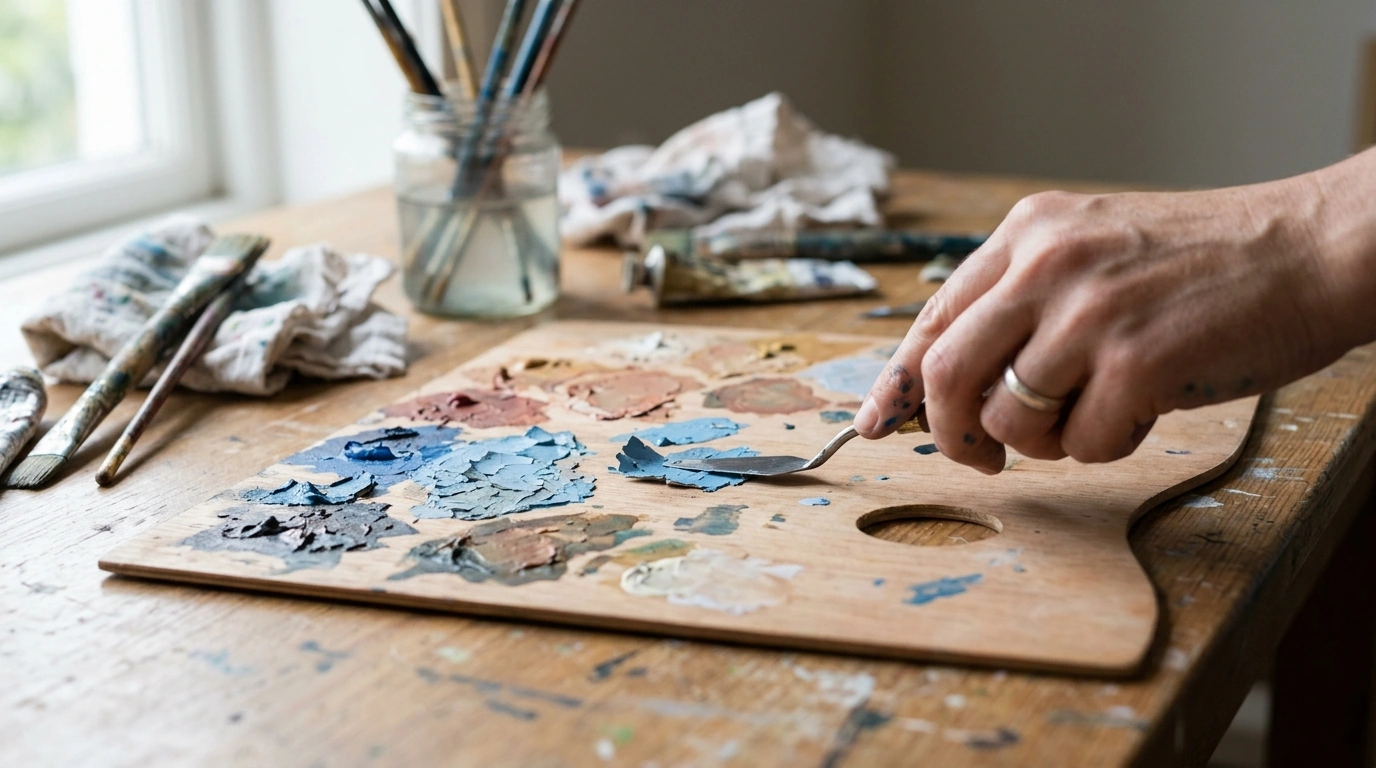
How to get dried acrylic paint off palette?
Dried acrylic can feel permanent, but most palettes can be cleaned with a few simple steps. The best approach depends on your palette material (plastic, metal, ceramic, glass, or disposable paper), how thick the paint is, and how long it’s been cured. Start with the gentlest method and move up only if needed.
Step-by-step: remove the paint without damaging the palette
1) Peel or lift what you can. If the paint film is thick, try lifting an edge with a fingernail or an old credit card. Acrylic often releases in flexible sheets from smooth, non-porous surfaces.
2) Soak to loosen. For plastic or metal palettes, soak in warm water with a few drops of dish soap for 10–30 minutes. This won’t dissolve acrylic, but it can soften the edges and help release paint from texture or corners.
3) Scrape gently. Use a plastic scraper, silicone spatula, or a wooden craft stick. Avoid metal blades on plastic to prevent gouges (scratches give paint more places to cling next time).
4) Use isopropyl alcohol for stubborn spots. Dampen a paper towel or cotton pad with 70% or 91% isopropyl alcohol and press it on the dried paint for a minute, then rub. Ventilate the area and rinse afterward. Test first on soft plastics.
5) Try a dedicated acrylic remover (optional). If you routinely deal with heavy buildup, an acrylic paint remover can help—follow the label carefully and wash thoroughly before painting again.
Material tips
Glass/ceramic: Paint usually pops off easily; a plastic scraper plus warm soapy water is often enough. Wood palettes: Avoid soaking; instead, scrape gently and spot-clean with minimal liquid.
For more ways to keep painting relaxing and low-mess, visit this mindful painting guide.
FAQ
How do you keep acrylic paint from drying out on a palette?
Use a stay-wet palette or place a damp paper towel under parchment paper to slow evaporation. You can also mist paint lightly with water and cover the palette between sessions.
Recommended for you



Was this article helpful?
Yes
No









Leave a comment