-
Shop
- Advanced Technologies
- AI Skills for Creators & Freelancers
- AI Client Management
- AI Ethics
- AI Mindset
- AI Tools & Prompts
- AI Writing & Content Creation
- Audio, Voice & Music
- Design & Visual Creation
- Email, Messaging & Communication
- Freelancing & Business
- Marketing, Ads & Conversion
- Productivity, Workflow & Automation
- SEO & Search Optimization
- Social Media Content & Growth
- Strategy, Planning & Analytics
- Video Creation & Editing
- AI Skills Mastery 2026 Collection
- Bathroom
- Best-Sellers
- Car Accessories
- Confidence
- Dating & Social Skills
- Digital Resources
- Easter Products
- Education & Learning
- Family & Parenting
- Fashion
- Fashion Accessories
- Furniture
- Gadgets
- Health & Beauty
- Health & Wellness
- Home & Garden
- Home Electronics
- Home Supplies
- Jewelry
- Kids & Babies
- Kitchen
- Lighting
- Patio, Lawn & Garden
- Personal Growth
- Pet Care
- Pet Supplies
- Pets
- Shoes
- Smart Home Living Guides
- Sport & Outdoors
- Stress Relief & Relaxation
- Super Deals
- TikTok Growth & Monetization Mastery
- Travel
- Travel & Adventure
- Wealth
- Wellness
Wearing a Headband Safely: Fit, Skin, and Sleep Tips

Is it safe to wear a headband?
For most people, wearing a headband is safe when it fits comfortably and doesn’t create pressure points. The biggest risks usually come from wearing one that’s too tight (which can trigger headaches, scalp tenderness, or skin irritation) or from materials that trap heat and sweat against the skin for long periods.
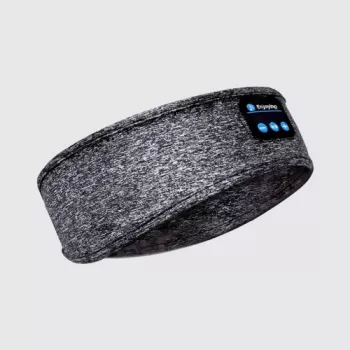
If you’re wearing a headband for sleep—especially a Bluetooth sleep headband with built-in speakers—safety depends on comfort, breathability, and volume. A soft, stretchy band that stays in place without squeezing is generally fine. Keep audio at a moderate level and avoid max volume, since extended loud sound close to the ears can contribute to hearing strain over time.
How to wear a headband safely (especially overnight)
Choose the right fit
A headband should feel secure but not tight. If you notice throbbing, indentation marks that last долго, or you wake up with a headache, size up or switch to a wider, softer style that spreads pressure more evenly.
Pick skin-friendly materials
Look for breathable fabrics that feel smooth against the forehead and behind the ears. If you’re prone to acne or dermatitis, wash the headband regularly to remove sweat, oils, and hair product residue.
Be careful with Bluetooth sleep headbands
Wearable audio headbands are typically designed for low-profile comfort, but you’ll still want to ensure the speakers sit flat and don’t press into your ears. For a deeper walk-through on comfort, features, and smart setup tips, see the main guide here: https://ulorin.com/guide-bluetooth-sleep-headband-hd-stereo-speakers/.
When to take a break or stop
Remove the headband if you develop itching, rash, tingling, or persistent headaches. If symptoms keep returning even with a looser fit and cleaner fabric, consider switching materials or checking with a healthcare professional for skin sensitivity or pressure-related issues.
FAQ
Can you sleep with a Bluetooth headband on?
Yes, as long as it fits comfortably, stays breathable, and doesn’t create pressure on your ears or forehead. Keep the volume moderate and take breaks if you notice irritation or headaches.
Recommended for you

Was this article helpful?
Yes
No









Leave a comment