-
Shop
- Advanced Technologies
- AI Skills for Creators & Freelancers
- AI Client Management
- AI Ethics
- AI Mindset
- AI Tools & Prompts
- AI Writing & Content Creation
- Audio, Voice & Music
- Design & Visual Creation
- Email, Messaging & Communication
- Freelancing & Business
- Marketing, Ads & Conversion
- Productivity, Workflow & Automation
- SEO & Search Optimization
- Social Media Content & Growth
- Strategy, Planning & Analytics
- Video Creation & Editing
- AI Skills Mastery 2026 Collection
- Bathroom
- Best-Sellers
- Car Accessories
- Confidence
- Dating & Social Skills
- Digital Resources
- Easter Products
- Education & Learning
- Family & Parenting
- Fashion
- Fashion Accessories
- Furniture
- Gadgets
- Health & Beauty
- Health & Wellness
- Home & Garden
- Home Electronics
- Home Supplies
- Jewelry
- Kids & Babies
- Kitchen
- Lighting
- Patio, Lawn & Garden
- Personal Growth
- Pet Care
- Pet Supplies
- Pets
- Shoes
- Smart Home Living Guides
- Sport & Outdoors
- Stress Relief & Relaxation
- Super Deals
- TikTok Growth & Monetization Mastery
- Travel
- Travel & Adventure
- Wealth
- Wellness
Most Valuable Fishing Lure: Why a Jig Wins
What is the most valuable fishing lure?
The most valuable fishing lure isn’t necessarily the most expensive one—it’s the lure that consistently produces fish across the widest range of conditions for the species you target. Value comes from versatility, reliability, and how often it saves a slow day.
For many anglers, the top “most valuable” lure style is a simple jig. A jig can be fished shallow or deep, fast or slow, in current, around cover, and with endless trailer options. It catches everything from largemouth and smallmouth bass to walleye and inshore saltwater species, and it keeps working when fish won’t commit to louder, flashier baits.
That said, “most valuable” changes with your water and goals. Here are a few high-value contenders and why they earn permanent space in tackle boxes:
- Jig: All-season producer, excels around rocks, wood, grass edges, docks, and ledges.
- Soft plastic worm (rigged Texas, wacky, or finesse): One of the best “numbers” baits, easy to adapt for pressured fish.
- Spinnerbait: Covers water quickly, shines in stained water or wind, and comes through cover better than many treble-hook baits.
- Crankbait: Great search tool for locating active fish and mapping depth zones when you need to find a pattern.
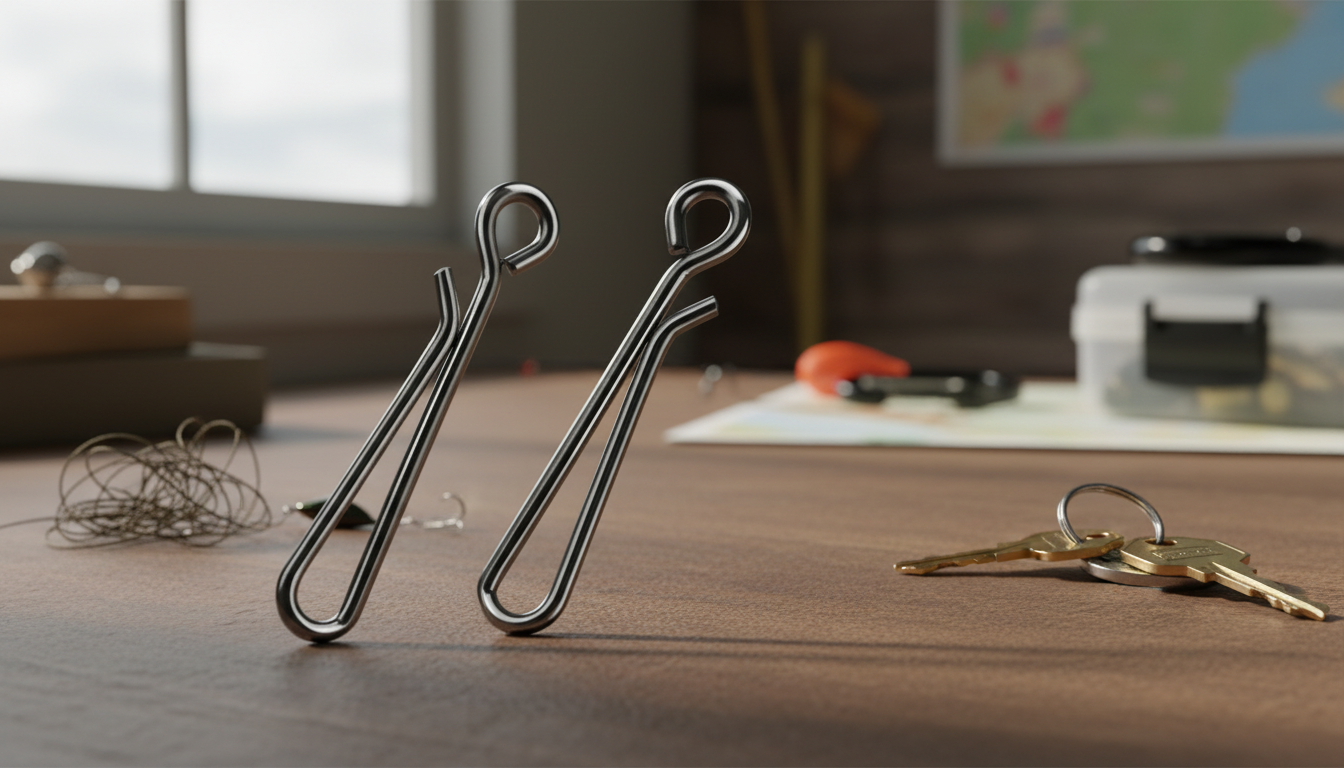
Another way to judge value is how quickly you can switch and test what fish want. Quick changes help you spend more time fishing and less time tying knots—especially when rotating between jigs, hard baits, and soft plastics. For tips on efficient, secure lure changes (freshwater and saltwater), see this guide to fishing lure clips and quick-change snaps.
Ultimately, the most valuable lure is the one you trust enough to keep in your hand—and that matches your local forage, water clarity, and depth.
FAQ
How do I change lures quickly without retying?
Use a properly sized snap or quick-change clip matched to your line strength and lure type, then retest your knot or connection regularly. Avoid undersized hardware and check for bending, corrosion, or gaps that can let a lure slip free.
Recommended for you


Was this article helpful?
Yes
No









Leave a comment