-
Shop
- Advanced Technologies
- AI Skills for Creators & Freelancers
- AI Client Management
- AI Ethics
- AI Mindset
- AI Tools & Prompts
- AI Writing & Content Creation
- Audio, Voice & Music
- Design & Visual Creation
- Email, Messaging & Communication
- Freelancing & Business
- Marketing, Ads & Conversion
- Productivity, Workflow & Automation
- SEO & Search Optimization
- Social Media Content & Growth
- Strategy, Planning & Analytics
- Video Creation & Editing
- AI Skills Mastery 2026 Collection
- Bathroom
- Best-Sellers
- Car Accessories
- Confidence
- Dating & Social Skills
- Digital Resources
- Easter Products
- Education & Learning
- Family & Parenting
- Fashion
- Fashion Accessories
- Furniture
- Gadgets
- Health & Beauty
- Health & Wellness
- Home & Garden
- Home Electronics
- Home Supplies
- Jewelry
- Kids & Babies
- Kitchen
- Lighting
- Patio, Lawn & Garden
- Personal Growth
- Pet Care
- Pet Supplies
- Pets
- Shoes
- Smart Home Living Guides
- Sport & Outdoors
- Stress Relief & Relaxation
- Super Deals
- TikTok Growth & Monetization Mastery
- Travel
- Travel & Adventure
- Wealth
- Wellness
Silicone Spatulas & High Heat: Temps, Risks, Tips
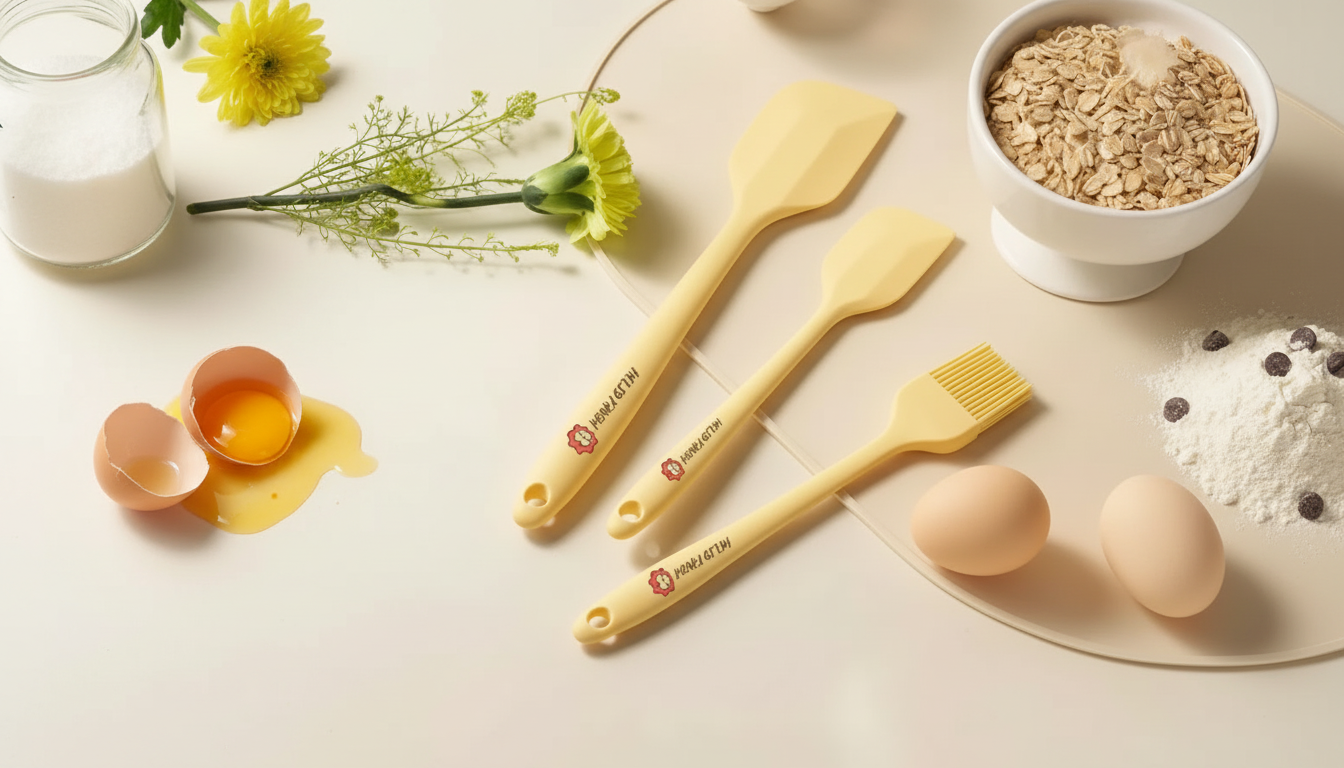
Can silicone spatulas withstand high heat?
Most silicone spatulas can handle high-heat cooking better than many plastic tools, making them a solid choice for sautéing, scrambling eggs, stirring sauces, and folding batters. Food-grade silicone is designed to resist melting and warping at typical stovetop and baking temperatures, so it generally stays flexible and functional when you’re working over a hot pan.
That said, “silicone” isn’t a single standard. Heat resistance depends on the silicone formulation, any fillers used, and the tool’s overall construction. A spatula with a stainless-steel core tends to feel sturdier and less prone to bending when scraping thick mixtures, while a thin, low-quality silicone head can degrade faster when repeatedly exposed to intense heat.
It also matters how the spatula is used. Silicone holds up well against hot food and hot cookware, but it can be damaged by direct contact with open flame, broiler elements, or the hottest spots on a grill. Leaving the head resting on the edge of a skillet for long periods can lead to discoloration, lingering odors, or a sticky surface over time, especially if oils are scorching.
For the best results, use silicone spatulas for stirring and scraping rather than as a tool you park in the pan. Avoid placing them directly over flames, and don’t assume “dishwasher-safe” means “indestructible”—high-heat drying cycles can accelerate wear on lower-grade silicone.
If you’re choosing silicone tools for grilling, basting, or baking, this guide on silicone basting brushes covers what to look for in heat-ready silicone and how to use it safely: https://ulorin.com/guide-2-silicone-basting-brushes-baking-grilling/.
For Silicone Spatulas & High Heat: Temps, Risks, Tips, the best answer depends on fit, material, care instructions, and how the product will be used day to day.
FAQ
What is the maximum temperature for silicone spatulas?
Many silicone spatulas are rated somewhere around 400°F to 600°F, but the exact maximum depends on the manufacturer and materials. Check the product’s temperature rating and avoid direct flame or heating elements even if the rating is high.
Recommended for you



Was this article helpful?
Yes
No









Leave a comment