-
Shop
- Advanced Technologies
- AI Skills for Creators & Freelancers
- AI Client Management
- AI Ethics
- AI Mindset
- AI Tools & Prompts
- AI Writing & Content Creation
- Audio, Voice & Music
- Design & Visual Creation
- Email, Messaging & Communication
- Freelancing & Business
- Marketing, Ads & Conversion
- Productivity, Workflow & Automation
- SEO & Search Optimization
- Social Media Content & Growth
- Strategy, Planning & Analytics
- Video Creation & Editing
- AI Skills Mastery 2026 Collection
- Bathroom
- Best-Sellers
- Car Accessories
- Confidence
- Dating & Social Skills
- Digital Resources
- Easter Products
- Education & Learning
- Family & Parenting
- Fashion
- Fashion Accessories
- Furniture
- Gadgets
- Health & Beauty
- Health & Wellness
- Home & Garden
- Home Electronics
- Home Supplies
- Jewelry
- Kids & Babies
- Kitchen
- Lighting
- Patio, Lawn & Garden
- Personal Growth
- Pet Care
- Pet Supplies
- Pets
- Shoes
- Smart Home Living Guides
- Sport & Outdoors
- Stress Relief & Relaxation
- Super Deals
- TikTok Growth & Monetization Mastery
- Travel
- Travel & Adventure
- Wealth
- Wellness
Colorful Tropical Plant Area Rug: Size, Style & Care Tips
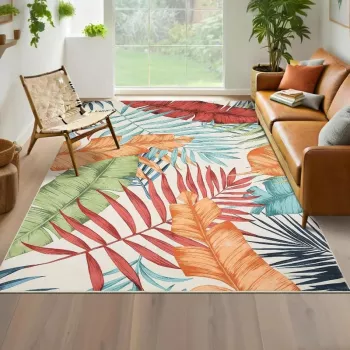
Colorful Tropical Plant Area Rug: A Fresh, Lush Accent for Everyday Rooms
Add a bold, botanical focal point that instantly brightens a space and helps define a “zone” in open layouts. Our Colorful Tropical Plant Area Rug is made for rooms that need more color, more energy, and a little getaway feel—without changing furniture or paint.
What This Rug Changes in a Room (Fast)
- Creates an instant centerpiece: tropical leaves and saturated color draw the eye and anchor the seating area.
- Helps “zone” an open space: use it to separate living + dining, a reading corner, or an entry drop zone.
- Balances neutral furniture: especially effective with beige/white/gray sofas, light woods, black accents, and natural textures (rattan, jute, linen).
- Adds visual warmth without clutter: one statement rug can replace multiple small decor pieces.
Best Rooms and Layouts for a Tropical Botanical Look
- Living room: place the front legs of the sofa and chairs on the rug for a pulled-together look; keep the coffee table centered so the pattern frames the seating.
- Bedroom: slide the rug under the lower two-thirds of the bed so the color greets you first thing in the morning.
- Entryway or mudroom: use a tropical pattern to make a small space feel intentional—pair with a simple tray for keys and a basket for shoes.
- Home office: position the rug to frame the desk-and-chair area; keep surrounding decor minimal so the print reads clean and modern.
Choosing the Right Size: Quick Placement Rules
- Aim for furniture connection: in seating areas, at least the front legs of major pieces should sit on the rug when possible.
- Leave a border: a visible strip of flooring around the rug (often 8–24 inches depending on room size) helps it feel centered rather than wall-to-wall.
- Don’t undersize the dining area: choose a rug that extends beyond chair legs so chairs stay on the rug when pulled out.
Placement checklist at a glance
| Area | Goal | Simple rule |
|---|---|---|
| Living room | Anchor seating | Front legs on the rug for cohesion |
| Bedroom | Soft landing | Rug extends beyond sides/foot of bed |
| Dining | Stable chairs | Rug larger than table footprint |
| Entryway | Defined welcome | Center rug; confirm door clearance |
Styling Ideas That Keep the Pattern Looking Intentional
- Pick 2–3 supporting colors from the rug: repeat them in throw pillows, a vase, or wall art instead of trying to match every color.
- Keep large furniture solids: a patterned rug pairs best with solid upholstery (or very subtle textures) so the room doesn’t compete visually.
- Mix with natural materials: wood, woven baskets, linen curtains, and greenery reinforce the tropical mood without feeling like a theme set.
- Use lighting to steer the vibe: warm bulbs mellow the palette; daylight-balanced bulbs make colors feel crisp and modern.
- Layer smartly when you need softness: if your room feels echoey, layering a larger neutral rug under a smaller statement rug can add depth—keep the tropical rug on top so the print stays clear.
Everyday Care Habits That Help Rugs Last
- Vacuum regularly: grit is what wears fibers down over time, so frequent passes (especially in walkways) make a real difference.
- Blot spills promptly: press with a clean cloth rather than rubbing so the spill doesn’t spread or push deeper.
- Rotate occasionally: swapping orientation helps even out foot traffic and sun exposure.
- Use a rug pad: it improves stability, adds cushioning, and helps protect your floor finish.
- Deep cleaning with care: choose methods suitable for the rug’s construction and dyes, and avoid over-wetting—excess moisture can lead to odor or mold concerns. For practical moisture guidance, see the U.S. EPA’s mold and moisture guide. For general cleaning standards and consumer resources, the IICRC consumer resources are a helpful reference.
Make It Work With the Rest of the Home
- Open-concept homes: repeat one accent color from the rug in a nearby space (a kitchen towel set, bar stools, or artwork) to create flow without duplicating the pattern.
- Small apartments: let the rug be the “art” and keep the rest edited—one bold anchor reads cleaner than many small accents.
- Family and pets: place the rug where it supports real life (under main seating or beside the bed) and keep a simple routine for vacuuming and quick spot-blotting.
Popular Picks From Our Team
- Colorful Tropical Plant Area Rug — a bright botanical anchor for living rooms, bedrooms, and offices.
- Universal Car Steering Wheel Phone Mount for Safe Navigation — a simple add-on for keeping navigation in view on the road.
- Triple-Sided Ultra-Fine Soft Bristle Toothbrush for Enhanced Oral Health — an easy swap for everyday routines.
FAQ
How do you keep an area rug from sliding on hard floors?
Use a rug pad made for your specific floor type, and keep both the underside of the rug and the floor clean and dry so nothing reduces grip. Make sure the rug lies flat, and double-check door clearance so corners don’t catch and curl.
What rug size works best for a living room seating area?
A reliable rule is to place at least the front legs of your sofa and chairs on the rug so everything feels connected. If your room allows, sizing up to fit all furniture legs on the rug looks especially polished; measure the full seating footprint (sofa width plus chair positions) before choosing.
What’s the best way to handle spills on a colorful rug?
Blot immediately with a clean cloth—don’t rub—working from the outside of the spill toward the center. If you use a cleaner, test it in an inconspicuous area first and follow the rug’s care directions to protect the color.
Recommended for you


Was this article helpful?
Yes
No









Leave a comment