-
Shop
- Advanced Technologies
- AI Skills for Creators & Freelancers
- AI Client Management
- AI Ethics
- AI Mindset
- AI Tools & Prompts
- AI Writing & Content Creation
- Audio, Voice & Music
- Design & Visual Creation
- Email, Messaging & Communication
- Freelancing & Business
- Marketing, Ads & Conversion
- Productivity, Workflow & Automation
- SEO & Search Optimization
- Social Media Content & Growth
- Strategy, Planning & Analytics
- Video Creation & Editing
- AI Skills Mastery 2026 Collection
- Bathroom
- Best-Sellers
- Car Accessories
- Confidence
- Dating & Social Skills
- Digital Resources
- Easter Products
- Education & Learning
- Family & Parenting
- Fashion
- Fashion Accessories
- Furniture
- Gadgets
- Health & Beauty
- Health & Wellness
- Home & Garden
- Home Electronics
- Home Supplies
- Jewelry
- Kids & Babies
- Kitchen
- Lighting
- Patio, Lawn & Garden
- Personal Growth
- Pet Care
- Pet Supplies
- Pets
- Shoes
- Smart Home Living Guides
- Sport & Outdoors
- Stress Relief & Relaxation
- Super Deals
- TikTok Growth & Monetization Mastery
- Travel
- Travel & Adventure
- Wealth
- Wellness
2ct Moissanite Ring: 18K White Gold, D/VVS1 Guide
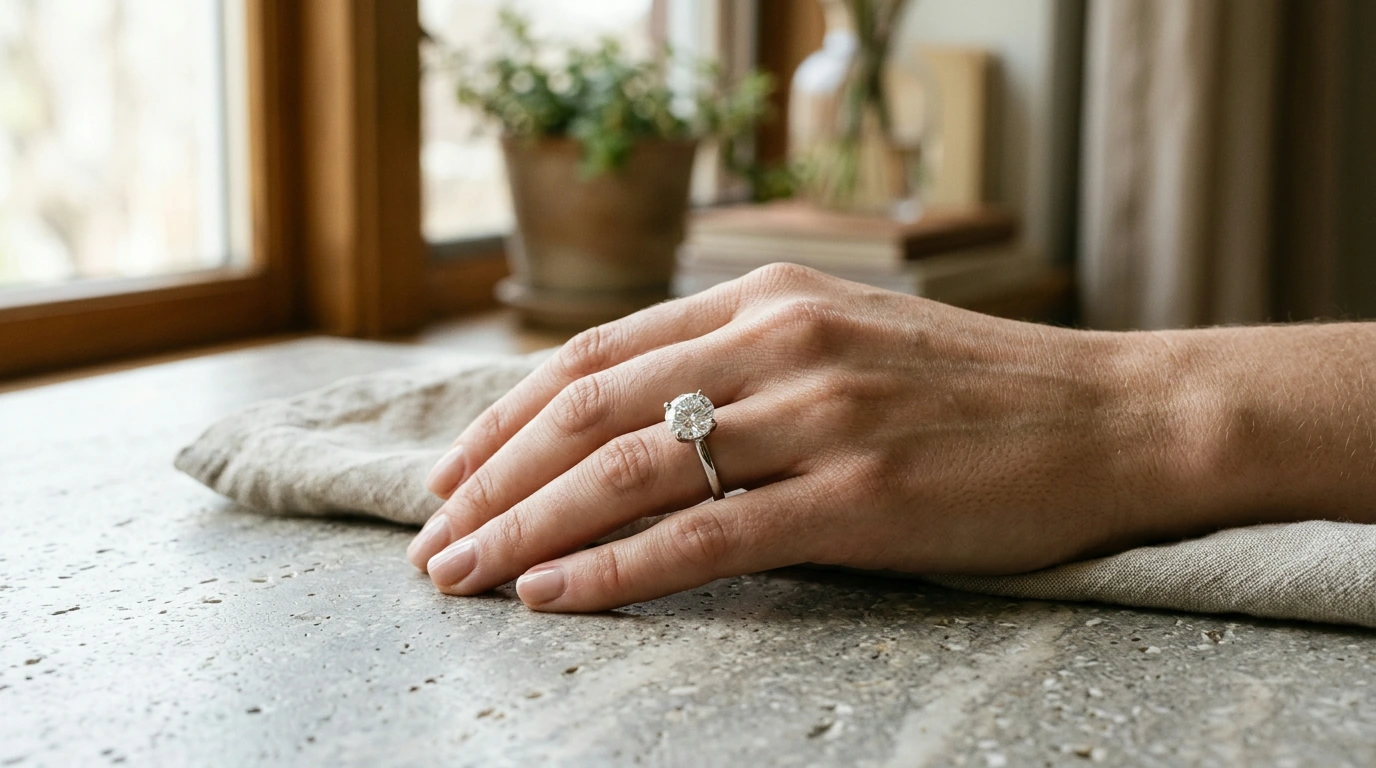
2 Carat Moissanite Engagement Ring in 18K White Gold (VVS1, D Color): What to Expect
A 2 carat moissanite ring in 18K white gold is made for a bold, bright look—crisp, icy, and high-impact on the hand. When the center stone is labeled D color and VVS1 clarity, the visual goal is simple: colorless sparkle with a “clean glass” appearance and minimal visible characteristics. Below is a practical guide to how these specs translate to everyday wear, how to confirm details before purchase, and how to keep the ring looking proposal-ready.
What stands out about a 2 carat moissanite look
A “2 carat look” typically reads as a statement size with noticeable finger coverage, especially in elongated shapes. It’s the kind of center stone that catches light across a room and photographs well in both indoor and outdoor settings.
- A 2 carat look is designed to read “statement” on the hand, with strong finger coverage and high light return.
- Moissanite’s brilliance can appear more “fiery” than many diamonds, especially under spot lighting.
- Stone shape and cut quality influence face-up size and sparkle more than carat alone; confirm the cut style used for the center stone.
- For an engagement ring, consider lifestyle factors (hands-on work, gloves, gym use) since larger stones sit higher and can catch more often.
If you’re comparing options, prioritize the cut description (for example, round brilliant vs. crushed ice-style for some fancy shapes). Cut affects how the stone handles both white light (brightness) and colored light (fire), which is where moissanite often feels extra lively.
Understanding D color and VVS1 clarity on moissanite
Color and clarity terms are borrowed from diamond grading language, so it helps to translate them into what you’ll see at arm’s length.
- D color indicates a colorless appearance; in white metals, this typically reads bright and crisp without warmth.
- VVS1 clarity indicates extremely small inclusions that are very difficult to see, even under magnification; face-up, the stone should appear exceptionally clean.
- Because moissanite is lab-created, many stones present high clarity; the practical benefit is a “clear glass” look and fewer visible characteristics.
- Ask for any available grading documentation or vendor-provided specs to confirm the exact quality terms used (D color, VVS1).
For a quick reference on how color and clarity are defined in fine jewelry grading systems, see the educational overview from GIA’s diamond quality factors. While moissanite isn’t a diamond, these definitions help clarify what “colorless” and “very, very slightly included” language is intended to convey.
18K white gold setting: wear, color, and upkeep
18K white gold offers a premium feel and rich precious-metal content. It’s a great match for a bright, colorless center stone, but it benefits from basic routine care—especially with a larger centerpiece.
- 18K white gold contains more pure gold than 14K, which can mean a slightly softer alloy; day-to-day wear is still suitable with sensible care.
- White gold often uses rhodium plating for a brighter white finish; over time, plating can wear and may need re-plating depending on use.
- Prong checks matter: for a larger center stone, schedule periodic inspections to confirm prongs remain tight.
- If sensitive skin is a concern, confirm the alloy mix (nickel-free vs. nickel-containing) when available.
If you like the “fresh-from-the-jeweler” white look, plan on occasional rhodium maintenance. Also, keep in mind that bigger stones tend to place more demand on the setting—secure prongs are part of long-term peace of mind.
Specs at a glance
Use this checklist to compare core materials and purchase details before checkout. If the ring is tied to a specific proposal date, double-check sizing options, return terms, and shipping timelines.
| Detail | Value |
|---|---|
| Product name | 2 Carat Moissanite Engagement Ring in 18K White Gold VVS1 D Color |
| Metal | 18K White Gold |
| Center stone | Moissanite |
| Color grade | D (colorless) |
| Clarity grade | VVS1 |
| Price | 210.01 USD |
| Availability | In stock |
Choosing the right ring size and fit
Getting the size right matters even more with a statement center stone, because a secure fit helps prevent spinning and reduces accidental bumps. If you’re planning a surprise, prioritize accuracy over speed.
Daily care for moissanite and white gold
For consumer guidance on how precious metals and jewelry claims are described in the marketplace, the FTC jewelry guides offer helpful context on terminology and disclosures.
Gifting and proposal-ready details to confirm
In-stock picks to shop
- 2 Carat Moissanite Engagement Ring in 18K White Gold VVS1 D Color (210.01 USD)
- Armani Exchange Men’s Sneakers (107.51 USD)
- Universal Car Steering Wheel Phone Mount for Safe Navigation (1.80 USD)
FAQ
Does moissanite look like a diamond in everyday lighting?
Moissanite can look very similar to a diamond at a glance because it’s bright and highly reflective, but it often shows more rainbow “fire,” especially under spotlights. The closer the cut is to a crisp brilliant style, the more diamond-like the overall impression tends to be in day-to-day lighting.
Is 18K white gold durable enough for an engagement ring worn every day?
Yes—18K white gold is commonly used for engagement rings, though it can be a bit softer than 14K due to higher gold content. Regular prong checks, removing the ring for rough tasks, and occasional rhodium re-plating help it stay secure and bright over time.
What do D color and VVS1 mean for how the stone looks?
D color indicates a colorless appearance, which reads crisp and icy in white metal settings. VVS1 clarity means the stone should look exceptionally clean face-up, with inclusions that are very difficult to detect even under magnification.
Recommended for you

Was this article helpful?
Yes
No









Leave a comment