-
Shop
- Advanced Technologies
- AI Skills for Creators & Freelancers
- AI Client Management
- AI Ethics
- AI Mindset
- AI Tools & Prompts
- AI Writing & Content Creation
- Audio, Voice & Music
- Design & Visual Creation
- Email, Messaging & Communication
- Freelancing & Business
- Marketing, Ads & Conversion
- Productivity, Workflow & Automation
- SEO & Search Optimization
- Social Media Content & Growth
- Strategy, Planning & Analytics
- Video Creation & Editing
- AI Skills Mastery 2026 Collection
- Bathroom
- Best-Sellers
- Car Accessories
- Confidence
- Dating & Social Skills
- Digital Resources
- Easter Products
- Education & Learning
- Family & Parenting
- Fashion
- Fashion Accessories
- Furniture
- Gadgets
- Health & Beauty
- Health & Wellness
- Home & Garden
- Home Electronics
- Home Supplies
- Jewelry
- Kids & Babies
- Kitchen
- Lighting
- Patio, Lawn & Garden
- Personal Growth
- Pet Care
- Pet Supplies
- Pets
- Shoes
- Smart Home Living Guides
- Sport & Outdoors
- Stress Relief & Relaxation
- Super Deals
- TikTok Growth & Monetization Mastery
- Travel
- Travel & Adventure
- Wealth
- Wellness
Ceramic Strawberry Jar: Cute Lidded Storage for Kitchen
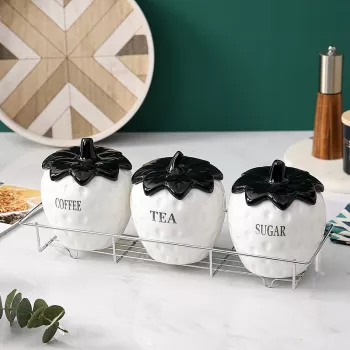
Creative Ceramic Strawberry Jar – A Charming Multi-Use Kitchen Storage Container
This ceramic strawberry jar blends playful countertop style with practical storage. Use it to keep small pantry staples organized, serve snacks at gatherings, or corral everyday kitchen bits—while adding a bright, decorative touch to open shelving or a coffee station.
What Makes a Strawberry-Shaped Ceramic Jar So Useful
A strawberry-shaped ceramic jar does more than look cute. It’s the kind of countertop piece that earns its spot because it solves small daily annoyances—like open packets, messy bowls, and “where did those tea bags go?” moments.
- Ceramic helps limit light exposure compared with clear containers sitting out on open counters, which can be helpful for items you’d rather keep out of view.
- A sturdy, weighty feel makes it less likely to tip when you’re reaching quickly while cooking or setting up snacks.
- Decor that works double-duty: the playful silhouette fits cottage, whimsical, and color-forward kitchens without looking like clutter.
- Not just for food: it can hold utensils, tea sachets, condiment packets, or other small grab-and-go items.
- Lidded storage looks tidier and helps reduce dust settling on what you store inside.
At-a-Glance: Common Ways to Use the Jar
Because the jar is decorative, it works best where you’ll actually see it—on a shelf, tray, or station where you want a contained “drop zone” that still looks intentional.
- Pantry: store sugar, loose tea, candy, nuts, or small baking toppers (sprinkles, chocolate chips).
- Coffee/tea bar: hold tea sachets, sweetener packets, or single-serve stir-ins.
- Snack station: keep wrapped treats accessible without cluttering bowls or platters.
- Meal prep: organize small dry add-ins used frequently (chia, flax, dried fruit) for quick breakfasts.
- Non-food: collect keys, rubber bands, twist ties, or recipe clips near the kitchen entry.
| Location | What to Store | Why It Helps |
|---|---|---|
| Countertop | Tea bags, sugar packets, candy | Keeps small items contained and presentable |
| Pantry shelf | Nuts, sprinkles, baking add-ins | Quick access and less visual clutter |
| Coffee station | Stirrers, cocoa, mini marshmallows | Turns a corner into a tidy setup |
| Dining table | Wrapped mints or chocolates | Easy self-serve for guests |
| Desk/craft area | Paper clips, beads, small tools | A decorative alternative to plain organizers |
Materials, Finish, and Everyday Durability
Ceramic is a favorite for kitchen storage because it feels substantial, holds its shape, and looks finished without extra styling. For day-to-day use, a few practical habits keep it looking fresh.
- Ceramic construction is typically valued for rigidity and resistance to warping over time.
- A glazed surface (common on decorative ceramics) is generally easier to wipe clean than porous materials.
- Best for dry or wrapped items; for anything oily or strongly aromatic, consider using a small liner bag or inner container to keep the jar fresher between washes.
- Set it up for stability: place on a stable, dry surface; if shelves are slick, a cabinet liner or felt pad underneath can reduce sliding.
- Avoid temperature shock (like moving from fridge-cold to hot water quickly) to help reduce the risk of cracking.
Kitchen Styling Ideas That Look Intentional (Not Cluttered)
The easiest way to make a novelty-shaped container feel “designed” is to treat it like an accent piece—then give it a supporting cast that’s calmer and simpler.
Care, Cleaning, and Food-Storage Notes
- Wash before first use; for routine cleaning, use mild soap and a soft sponge to protect the finish.
- Dry fully before refilling, especially if storing crisp items that can absorb moisture.
- Handle sticky residues gently: if you get honey or syrup drips, soak briefly in warm water, then wipe—no abrasive scrubbing needed.
- Use for dry goods or wrapped items unless product documentation specifies suitability for wet foods.
- For perishables, follow safe storage guidance rather than leaving items at room temperature; the USDA storage chart is a helpful reference: USDA FSIS Refrigerator & Freezer Storage Chart.
For general information about materials used around food contact, the FDA’s overview can be useful: U.S. FDA: Food Contact Substances.
Who It’s Best For (and When to Choose Something Else)
Product Options (In Stock)
- Creative Ceramic Strawberry Jar – Multi-Use Kitchen Storage Container – a decorative lidded jar designed to bring personality to storage on counters, shelves, or snack stations.
- Triple-Sided Ultra-Fine Soft Bristle Toothbrush for Enhanced Oral Health – a simple add-on for keeping sink or travel routines more organized.
FAQ
Is the ceramic strawberry jar airtight?
Lidded ceramic jars usually help reduce dust and exposure, but they aren’t always fully airtight unless the product specifically says so. For items that need a tighter seal (very crunchy snacks or humidity-sensitive goods), use an inner liner bag or small airtight pouch inside the jar.
What can be stored in a ceramic kitchen jar like this?
It works well for dry goods and wrapped snacks such as tea bags, sugar packets, candy, nuts, sprinkles, and other small baking add-ins. It can also hold non-food items like twist ties, clips, rubber bands, or small tools; avoid leaving perishables at room temperature for long-term storage.
How should it be cleaned to protect the finish?
Use mild dish soap and a soft sponge, and avoid abrasive scrubbers that can dull the glaze. Rinse well and dry completely before refilling; for sticky residue, a short soak in warm water makes cleanup easier.
Recommended for you


Was this article helpful?
Yes
No









Leave a comment