-
Shop
- Advanced Technologies
- AI Skills for Creators & Freelancers
- AI Client Management
- AI Ethics
- AI Mindset
- AI Tools & Prompts
- AI Writing & Content Creation
- Audio, Voice & Music
- Design & Visual Creation
- Email, Messaging & Communication
- Freelancing & Business
- Marketing, Ads & Conversion
- Productivity, Workflow & Automation
- SEO & Search Optimization
- Social Media Content & Growth
- Strategy, Planning & Analytics
- Video Creation & Editing
- AI Skills Mastery 2026 Collection
- Bathroom
- Best-Sellers
- Car Accessories
- Confidence
- Dating & Social Skills
- Digital Resources
- Easter Products
- Education & Learning
- Family & Parenting
- Fashion
- Fashion Accessories
- Furniture
- Gadgets
- Health & Beauty
- Health & Wellness
- Home & Garden
- Home Electronics
- Home Supplies
- Jewelry
- Kids & Babies
- Kitchen
- Lighting
- Patio, Lawn & Garden
- Personal Growth
- Pet Care
- Pet Supplies
- Pets
- Shoes
- Smart Home Living Guides
- Sport & Outdoors
- Stress Relief & Relaxation
- Super Deals
- TikTok Growth & Monetization Mastery
- Travel
- Travel & Adventure
- Wealth
- Wellness
Expandable Waterproof Bike Trunk Bag (20–35L) Guide
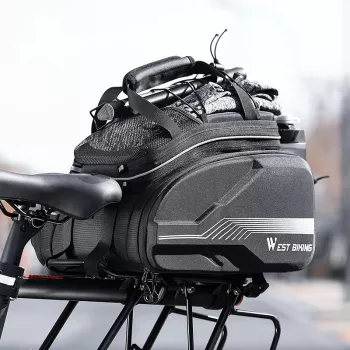
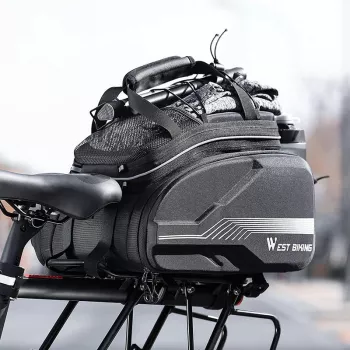
Expandable Waterproof Bike Trunk Bag 20–35L for MTB & Road Cycling
A trunk bag that adapts to the day’s ride can replace a backpack, keep essentials dry, and stay stable over rough pavement or trail chatter. This expandable rear-rack bag is built for riders who want a clean setup for commuting, training loops, and weekend adventures—without giving up capacity when extra layers or groceries appear. For more guidance, see RockBros MTB Rear Rack Pack – Expandable 10L/35L … – Caps Fc.
What Makes an Expandable Trunk Bag Useful
Expandable trunk bags solve a common problem: some rides are “just the basics,” while others demand extra space. A bag that can grow and shrink keeps your bike tidy when you don’t need volume, and ready when you do. For further reading, see 25L Set Of 2, Fits Most Mountain Bikes WEST BIKING Rear Rack Bag.
- Expands when needed to handle variable loads like a jacket, tools, and food on the way out—then compresses to stay tidy on the ride home.
- Keeps weight centered over the rear rack for more comfortable handling than a heavy backpack.
- Provides quick-access storage for items that should stay reachable (keys, phone, snacks, mini pump).
- Helps keep gear organized with dedicated compartments instead of everything rolling around in a backpack.
If you’re building a streamlined rack setup, the Expandable Waterproof Bike Trunk Bag 20–35L for MTB & Road Cycling is designed for exactly this “small most days, bigger when needed” routine.
Capacity and Real-World Carry Scenarios (20–35L)
Capacity numbers matter most when they match real loads. A 20–35L expandable range covers daily riding and those days when errands or weather make you carry more than planned.
- 20L mode: ideal for daily essentials—repair kit, spare tube, CO₂/pump, multitool, lightweight shell, wallet/phone, and a small lunch.
- Expanded mode up to 35L: better for bulkier loads like extra layers, shoes, a compact lock, or a small grocery run.
- Balance tip: place dense items (tools, lock, liquids) low and toward the front of the bag to reduce sway.
- Overpacking tip: keep the expansion for soft goods; rigid items can leverage the bag and amplify bouncing on rough surfaces.
For commuting days where you’re carrying work clothes, lunch, and an extra layer, it helps to pack “squishables” (hoodie, windbreaker, gloves) in the expanded area, and keep heavier items (tool roll, lock) near the rack platform so the bike stays planted.
Waterproofing and Weather Readiness
Rear-rack bags live in the spray zone, where puddle splash and road mist can soak unprotected gear. Waterproof construction helps keep ride layers, electronics, and food from turning into a soggy mess when conditions change.
- Waterproof materials help protect clothing, electronics, and food from rain spray and puddle splash common on wet roads.
- For extended downpours, pack electronics in a small dry pouch or zip bag for an extra margin of protection.
- After wet rides, open the bag at home to let moisture evaporate; trapped humidity can lead to odor over time.
- Check seams and closures periodically for grit buildup that can compromise the seal.
For practical rain habits and commute setup ideas, REI’s guide to bike commuting basics is a solid starting point, especially for building a consistent “leave-it-in-the-bag” kit.
Fit, Mounting, and Stability on Rear Racks
A trunk bag works best when it becomes part of the bike—no sway, no rattling, no heel rub. Before a fully loaded ride, confirm your rack can handle both the size and the weight you plan to carry.
If your rack or mounting hardware needs a quick sanity check, Park Tool’s repair help hub includes guidance relevant to rack setup and inspection: Park Tool — Repair Help.
MTB vs. Road Use: How to Pack for Each
Specs at a Glance
| Feature | What to Look For | Why It Matters |
|---|---|---|
| Capacity | 20–35L expandable | Covers daily rides and bigger carry days without switching bags |
| Weather protection | Waterproof construction | Helps keep layers, tools, and electronics dry in rain and road spray |
| Mounting | Rear rack compatibility + stable fastening | Reduces sway and keeps handling predictable |
| Organization | Multiple compartments | Faster access and less time rummaging at stops |
| Best use cases | Commuting, touring day rides, training loops | One bag can serve many ride types with simple packing changes |
Care, Cleaning, and Long-Term Durability
When This Bag Is a Good Match
If your commute includes walking segments, having comfortable footwear can matter almost as much as the bike setup. For off-bike time before or after the ride, Armani Exchange Men’s Sneakers are an option to consider for daily wear.
FAQ
Will a rear trunk bag affect bike handling on climbs or descents?
Yes—adding weight behind the saddle can make the front end feel lighter on steep climbs and can change stability on fast descents. Keep heavy items low and toward the front of the bag, stay within a reasonable total load, and do a short test ride to fine-tune strap tension and mounting position.
How do you keep gear dry inside a waterproof trunk bag during heavy rain?
Make sure closures are fully sealed every time, and keep zippers and seams clean so grit doesn’t compromise the seal. For long downpours, place electronics in a small internal dry pouch for extra protection even if the bag itself is waterproof.
Does this type of trunk bag fit most rear racks?
It typically fits standard rear cargo racks, but it’s smart to measure your rack’s top platform and check the rack’s rated load before fully packing it. After mounting, confirm heel clearance by pedaling in your usual shoes and adjust the bag’s position if needed.
Recommended for you


Was this article helpful?
Yes
No









Leave a comment