-
Shop
- Advanced Technologies
- AI Skills for Creators & Freelancers
- AI Client Management
- AI Ethics
- AI Mindset
- AI Tools & Prompts
- AI Writing & Content Creation
- Audio, Voice & Music
- Design & Visual Creation
- Email, Messaging & Communication
- Freelancing & Business
- Marketing, Ads & Conversion
- Productivity, Workflow & Automation
- SEO & Search Optimization
- Social Media Content & Growth
- Strategy, Planning & Analytics
- Video Creation & Editing
- AI Skills Mastery 2026 Collection
- Bathroom
- Best-Sellers
- Car Accessories
- Confidence
- Dating & Social Skills
- Digital Resources
- Easter Products
- Education & Learning
- Family & Parenting
- Fashion
- Fashion Accessories
- Furniture
- Gadgets
- Health & Beauty
- Health & Wellness
- Home & Garden
- Home Electronics
- Home Supplies
- Jewelry
- Kids & Babies
- Kitchen
- Lighting
- Patio, Lawn & Garden
- Personal Growth
- Pet Care
- Pet Supplies
- Pets
- Shoes
- Smart Home Living Guides
- Sport & Outdoors
- Stress Relief & Relaxation
- Super Deals
- TikTok Growth & Monetization Mastery
- Travel
- Travel & Adventure
- Wealth
- Wellness
Outdoor Waterproof Dog Kennel: Stairs, Double Doors, Airflow
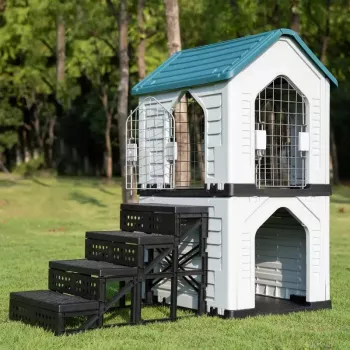
Outdoor Waterproof Dog Kennel with Stairs, Double Door, and Ventilation
An outdoor kennel should do more than keep rain out—it needs airflow for hot days, a layout that’s easy to clean, and safe access for dogs that prefer not to jump. A waterproof kennel with covered shelter, built-in stairs, double-door convenience, and ventilation helps a backyard setup stay comfortable through changing weather while supporting daily routines like feeding, cleaning, and quick check-ins.
What This Kennel Adds to an Outdoor Setup
A well-designed outdoor kennel can make day-to-day care simpler while giving your dog a reliable place to settle outside. Waterproof construction helps keep the interior drier during rain and wet seasons, which can reduce the cycle of towel-drying and swapping out damp mats. Built-in stairs support puppies, senior dogs, and breeds prone to joint stress by reducing repeated jumping up and down.
Double doors can also be a quiet upgrade: one side can act as the “main” entry, while the other becomes a practical access point for cleaning or guiding a dog on leash. Ventilation matters just as much as weather protection—airflow supports more stable temperatures and reduces stuffiness, especially in partial sun or humid conditions. For best results, place any outdoor kennel on a level, well-draining base such as pavers, compacted gravel, or a raised platform to avoid standing water and mud.
Waterproofing and Weather Readiness
Even a waterproof kennel performs better with smart placement. Position the main opening away from prevailing wind and driving rain; a small change in direction can noticeably reduce moisture intrusion. If your yard tends to pool water, set the kennel on an elevated pad or create a slight slope underneath to encourage runoff.
Bedding choices also affect how “dry” a kennel stays. Quick-drying, washable options are easier to manage after storms than thick foam that can trap moisture. In colder or storm seasons, a nearby windbreak panel can reduce gusts, but keep ventilation paths open so stale, humid air doesn’t build up. After heavy weather, do a fast check of roof coverage, closure points, and any seals—waterproof designs still benefit from routine inspection.
Backyard placement checklist
| Item | Why it matters | Quick tip |
|---|---|---|
| Level, draining base | Reduces mud, standing water, and shifting | Use pavers or compacted gravel; avoid low spots |
| Shade planning | Helps prevent overheating | Aim for morning sun, afternoon shade when possible |
| Wind/rain direction | Keeps interior drier | Turn openings away from prevailing weather |
| Clear ventilation paths | Maintains airflow and lowers humidity | Keep the kennel a few inches away from walls or solid fences |
| Easy access for cleaning | Improves hygiene and odor control | Leave working space around doors |
Stairs for Safer Daily Use
Stairs can be a meaningful safety feature, especially for dogs that hesitate to jump or those with mobility limitations. Compared to repeated jumping, stairs reduce impact on hips, elbows, and shoulders—helpful for larger breeds, long-backed breeds, and aging dogs that benefit from lower-strain movement.
Because outdoor steps can get slick, consider adding traction. Outdoor grip tape or rubber treads can prevent slips after rain, watering the yard, or early-morning dew. If a dog is new to stairs, short training sessions with rewards work well; keep the path clear so the dog doesn’t feel rushed, crowded, or blocked by other pets. If multiple dogs will use the kennel, watch for bottlenecks so stair access stays calm and low-stress. Finally, check stair stability and fasteners periodically—temperature swings and regular use can loosen hardware over time.
Double Doors and Ventilation: Practical Benefits
Ventilation is the other half of comfort. Steady airflow can reduce condensation from breathing overnight and help manage humidity on warm days. In hot climates, ventilation works best when paired with shade and ready access to fresh water. In areas with heavy insects, pet-safe screening solutions may help if openings allow, but airflow should remain adequate so heat and moisture don’t get trapped. For seasonal safety guidance, review the AVMA’s tips for hot weather safety and cold weather animal safety.
Sizing, Comfort, and Enrichment
Place water in a tip-resistant bowl and position it so it won’t easily splash onto the resting area; if the kennel floor tends to get wet, a slightly raised bowl stand can help. For enrichment, offer chew-safe items that are appropriate for your dog and used according to the product’s guidance, and keep outdoor time balanced with exercise and social interaction. Also remember that waterproof shelter doesn’t automatically mean cool—any structure can heat up in direct sun, so prioritize shade, airflow, and reasonable time limits when temperatures climb. Cold-weather precautions are equally important; the American Kennel Club provides additional perspective on cold weather safety for dogs.
Care, Cleaning, and Long-Term Upkeep
Shop In-Stock Picks
- Outdoor Waterproof Dog Kennel with Stairs, Double Door, and Ventilation
- Universal Car Steering Wheel Phone Mount for Safe Navigation
- Triple-Sided Ultra-Fine Soft Bristle Toothbrush for Enhanced Oral Health
FAQ
Is a waterproof outdoor kennel enough to keep a dog warm in winter?
Waterproofing mainly blocks rain and damp conditions; warmth depends more on insulation, bedding, wind protection, and your dog’s coat, age, and health. For dogs that are cold-sensitive or have medical needs, ask a veterinarian what temperature limits are safe.
How much ventilation should an outdoor kennel have?
Ventilation should provide steady airflow to reduce humidity and overheating, but it shouldn’t create direct drafts during cold, stormy weather. Balance airflow with smart placement (shade and wind direction) and keep space around the kennel so air can move freely.
Are stairs safe for dogs that slip easily?
They can be, especially with added traction like rubber treads or outdoor grip tape and by keeping steps dry and clear of debris. Check stability often and supervise until your dog uses the stairs confidently.
Recommended for you

Was this article helpful?
Yes
No









Leave a comment