-
Shop
- Advanced Technologies
- AI Skills for Creators & Freelancers
- AI Client Management
- AI Ethics
- AI Mindset
- AI Tools & Prompts
- AI Writing & Content Creation
- Audio, Voice & Music
- Design & Visual Creation
- Email, Messaging & Communication
- Freelancing & Business
- Marketing, Ads & Conversion
- Productivity, Workflow & Automation
- SEO & Search Optimization
- Social Media Content & Growth
- Strategy, Planning & Analytics
- Video Creation & Editing
- AI Skills Mastery 2026 Collection
- Bathroom
- Best-Sellers
- Car Accessories
- Confidence
- Dating & Social Skills
- Digital Resources
- Easter Products
- Education & Learning
- Family & Parenting
- Fashion
- Fashion Accessories
- Furniture
- Gadgets
- Health & Beauty
- Health & Wellness
- Home & Garden
- Home Electronics
- Home Supplies
- Jewelry
- Kids & Babies
- Kitchen
- Lighting
- Patio, Lawn & Garden
- Personal Growth
- Pet Care
- Pet Supplies
- Pets
- Shoes
- Smart Home Living Guides
- Sport & Outdoors
- Stress Relief & Relaxation
- Super Deals
- TikTok Growth & Monetization Mastery
- Travel
- Travel & Adventure
- Wealth
- Wellness
Easy Fall Layering: Polished Outfits Without Bulk
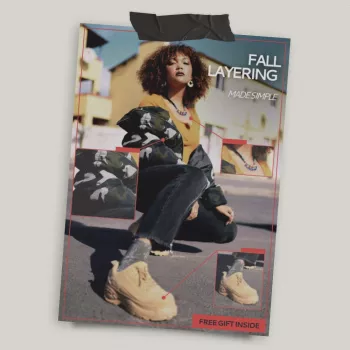
Fall Layering Made Simple: Everyday Outfits That Look Polished and Feel Comfortable
Cool mornings, warm afternoons, surprise rain—autumn weather changes fast. A smart layering system keeps outfits comfortable without looking bulky. Below is a practical way to build outfits that move with your day: start with the right base, add a mid layer that gives shape, and finish with an outer layer that handles wind and drizzle. Along the way, you’ll find easy outfit formulas and quick fixes for common layering headaches like overheating, bunching sleeves, and “something feels off” proportions.
The 3-layer system that works for real fall days
The simplest way to look put-together in fall is to treat your outfit like a system. Each layer has a job—and when each piece stays in its lane, the whole look feels intentional instead of bulky.
- Base layer: Sits next to skin for comfort and moisture control. Choose breathable fabrics and a close-but-not-tight fit so it doesn’t wrinkle or bunch under other layers.
- Mid layer: Adds warmth and gives your outfit structure. Think lightweight knits, button-downs, cardigans, or a thin fleece that can open and close as temps shift.
- Outer layer: Protects from wind and light rain. A trench, denim jacket, shacket, light puffer, or wool coat can all work depending on the temperature swing.
- Style rule: Keep inner layers smoother and thinner; let texture and volume build outward so the silhouette stays clean.
Layer roles, best fabrics, and easy swaps
| Layer | Purpose | Good fabric choices | Swap when it warms up |
|---|---|---|---|
| Base | Comfort + moisture control | Cotton blends, merino, modal | Sleeveless/short sleeve tee, lighter knit |
| Mid | Warmth + outfit shape | Wool blends, flannel, fine-gauge knits | Cardigan left open, unbuttoned shirt, vest |
| Outer | Weather protection | Waxed cotton, denim, wool, nylon | Trade coat for jacket, jacket for overshirt |
Fit and proportion: the difference between layered and bulky
Most “puffy” outfits aren’t caused by too many layers—they’re caused by layers fighting each other in fit and length. Use these simple guardrails to keep everything sharp.
- Start slim, go looser: A fitted base + regular mid + roomier outer creates a smooth line without strain at the seams.
- Balance volume: If your jacket is oversized, keep bottoms straighter or tapered. If you’re wearing wide-leg pants, streamline the top layers (or choose a shorter outer layer to define the waist/hip area).
- Mind the hemlines: Stagger lengths on purpose—tee under shirt under jacket—so layers look designed, not accidental.
- Use cuffs and collars: A visible shirt cuff, a crisp collar, or a simple scarf can make basic layers look styled in seconds.
Go-to fall outfit formulas (mix-and-match friendly)
When mornings are rushed, repeatable formulas beat starting from scratch. These combinations are easy to tweak with different colors, shoes, and outerwear.
- Formula 1: Tee + button-down + light jacket + jeans/trousers. Leave the shirt open for airflow or roll sleeves when midday warms up.
- Formula 2: Long-sleeve top + cardigan + scarf. Great for offices where indoor temps swing; open the cardigan to cool down without losing polish.
- Formula 3: Turtleneck + blazer + coat. Clean, structured, and warm without stacking heavy knits.
- Formula 4: Hoodie + denim or bomber jacket. Weekend-easy; keep the jacket slightly roomier so the hood doesn’t pull at the neckline.
- Formula 5: Dress + tights + chunky knit + coat. Add a belt over the knit (or at the waist under it) to keep shape when textures get thicker.
Color and texture: make neutral layers look intentional
Fall layering looks best when the colors feel connected and the fabrics add depth—without turning into visual noise.
For fabric guidance and care tips, resources from Cotton Incorporated and Woolmark are helpful when building a mix of breathable basics and warmer wool layers.
Practical comfort: staying warm without overheating
- Choose breathable warmth: Merino and wool blends insulate while releasing heat more effectively than many heavy synthetics, so you stay comfortable indoors and out.
- Have a ventilation plan: Zippers, button fronts, and open cardigans let you adjust quickly when the sun comes out.
- Avoid bunching: Start with thinner, smoother base layers so sleeves glide under knits and jackets instead of riding up.
- Rain and wind strategy: Keep at least one water-resistant outer option ready, and check conditions before leaving—NOAA forecasts can help you decide whether you need a trench, a warmer coat, or an umbrella-friendly jacket.
Small details that upgrade everyday autumn dressing
Shop the building blocks (easy add-ons for a layered wardrobe)
- Fall Layering Made Simple – A Practical Digital Guide on How to Layer Clothes for Fall, Build Stylish Outfits, and Master Everyday Autumn Dressing ($12.99) — A step-by-step approach with outfit ideas, checklists, and quick swaps for workdays and weekends.
- Armani Exchange Men’s Sneakers ($107.51) — A clean sneaker option that pairs well with denim jackets, bombers, and wool coats for a polished casual finish.
FAQ
What is the best order for layering clothes in fall?
Start with a base layer for comfort, add a mid layer for warmth and shape, and finish with an outer layer for wind or rain. Keeping the inner layers thinner and smoother helps prevent bulk.
How can layers look stylish instead of puffy?
Use a slim-to-loose approach (fitted base, roomier outer), stagger hemlines, and keep patterns limited. Add interest with one textured piece (like flannel or wool) rather than stacking multiple thick items.
What fabrics are best for fall layering?
Merino and wool blends offer warmth with good breathability, while cotton blends and modal work well as base layers. For outerwear, choose weather-ready materials like waxed cotton, wool, denim, or nylon.
Recommended for you



Was this article helpful?
Yes
No









Leave a comment