-
Shop
- Advanced Technologies
- AI Skills for Creators & Freelancers
- AI Client Management
- AI Ethics
- AI Mindset
- AI Tools & Prompts
- AI Writing & Content Creation
- Audio, Voice & Music
- Design & Visual Creation
- Email, Messaging & Communication
- Freelancing & Business
- Marketing, Ads & Conversion
- Productivity, Workflow & Automation
- SEO & Search Optimization
- Social Media Content & Growth
- Strategy, Planning & Analytics
- Video Creation & Editing
- AI Skills Mastery 2026 Collection
- Bathroom
- Best-Sellers
- Car Accessories
- Confidence
- Dating & Social Skills
- Digital Resources
- Easter Products
- Education & Learning
- Family & Parenting
- Fashion
- Fashion Accessories
- Furniture
- Gadgets
- Health & Beauty
- Health & Wellness
- Home & Garden
- Home Electronics
- Home Supplies
- Jewelry
- Kids & Babies
- Kitchen
- Lighting
- Patio, Lawn & Garden
- Personal Growth
- Pet Care
- Pet Supplies
- Pets
- Shoes
- Smart Home Living Guides
- Sport & Outdoors
- Stress Relief & Relaxation
- Super Deals
- TikTok Growth & Monetization Mastery
- Travel
- Travel & Adventure
- Wealth
- Wellness
Cordless Hand Mixer Turbo Boost: Smooth Batters Fast
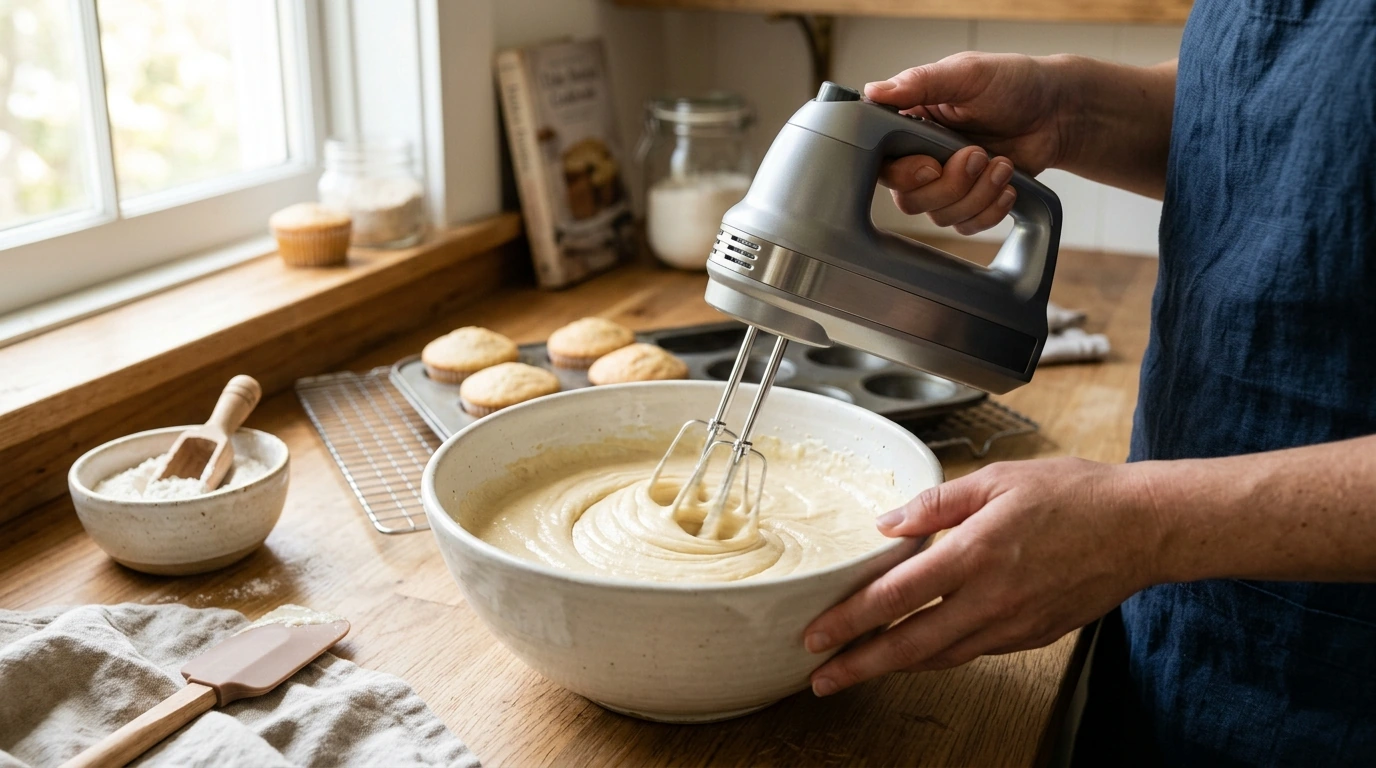
Cordless Electric Hand Mixer with Turbo Boost: Fast Mixing Without the Cord
A cordless hand mixer can make quick work of batters, whipped cream, and frosting while keeping counters clear and reducing cord clutter. If you’ve ever juggled a mixing bowl next to a crowded outlet—or tried to avoid draping a cord near a warm stovetop—going cordless can feel like an immediate upgrade. Below is what to expect from a cordless mixer with a turbo boost setting, the jobs it handles best, and the habits that help you get smooth, consistent results.
Why a Cordless Hand Mixer Changes the Workflow
Switching to cordless isn’t just about convenience; it changes how you move through a recipe. Without a cord to manage, you can mix where it makes the most sense, not where the outlet is.
- More open workspace: Frees up outlet access and reduces tangles around bowls, trays, and hot stovetops.
- Easier station-to-station movement: Move between countertop, table, or island without repositioning a cord.
- Better for quick mid-recipe steps: Beat eggs, fold in dry ingredients, or finish a frosting without setting up larger equipment.
- Great for small-to-medium batches: Typically lighter and more maneuverable than stand mixers for everyday mixing.
What Turbo Boost Is For (and When to Avoid It)
Turbo boost is best thought of as a “power button” for short bursts. It helps when a mixture thickens suddenly or when you want a final smoothing pass without spending extra time ramping up speed.
- Designed for short bursts: Useful when batter resists blending or you need a quick finish.
- Most helpful moments: Finishing cookie dough, breaking up softened butter, or smoothing frosting.
- Avoid extended turbo on heavy mixes: Short pulses reduce strain and help protect the motor and attachments.
- Start low, then increase: Beginning at a lower speed helps prevent flour clouds and splatter before switching to turbo for the final blend.
Speed Guide for Common Tasks
| Task | Recommended speed approach | Notes to prevent mess or overmixing |
|---|---|---|
| Whipping cream | Medium → high, finish with brief turbo bursts | Chill bowl/cream; stop as soon as stiff peaks form |
| Pancake/waffle batter | Low → medium | Overmixing makes batter tough; leave small lumps |
| Cookie dough (softened butter) | Medium → turbo pulses | Scrape bowl often; don’t run turbo continuously on thick dough |
| Egg whites | Medium → high | Ensure bowl is grease-free; stop at glossy peaks |
| Frosting | Low → medium, turbo to smooth | Start low to avoid powdered sugar clouds |
Everyday Uses in Baking and Cooking
A cordless hand mixer shines when you want speed and control without hauling out a stand mixer. It’s a practical tool for quick bakes, weeknight cooking, and small celebrations.
- Baking: Cakes, cupcakes, brownies, cookies (lighter doughs), quick breads, and frosting.
- Breakfast: Scrambled eggs, omelet mixtures, pancake batter, and whipped toppings.
- Savory prep: Blending soft ingredients for dips, mixing mashed potatoes (small batches), or gently combining meatball mix at low speed.
- Best fit: Small to medium bowls; for very large batches or dense bread dough, a stand mixer is usually better suited.
If you’re mixing anything sticky or thick (like a dense dough), give the mixer an easier job by softening butter fully, warming cream cheese slightly, or adding liquid ingredients in stages. That approach keeps the motor from bogging down and helps you get a smoother texture faster.
How to Get Smooth Results (Without Splatter)
Splatter usually comes from two things: starting too fast or mixing too close to the surface. A few small technique changes can make batters and frosting noticeably neater.
- Angle and depth: Keep beaters submerged before turning on; tilt slightly to pull ingredients from the sides toward the center.
- Bowl choice matters: Taller sides reduce splatter; a deep mixing bowl helps when increasing speed or using turbo.
- Add dry ingredients gradually: Start at low speed; pause to scrape the bowl, then continue.
- Use short cycles: Mix, scrape, mix again—this reduces overmixing and helps evenly hydrate flour.
For guidance on avoiding overmixing (especially with flour-based batters), practical baking references like King Arthur Baking are helpful for understanding when to stop mixing and why texture changes happen so quickly.
Battery, Charging, and Runtime Expectations
Cordless mixers are ideal for quick tasks, but runtime depends on speed settings and how thick your mixture is. Turbo and high speeds draw more power, so a little planning keeps the mixer ready when you need steady performance.
Cleaning, Storage, and Care Tips
For general kitchen hygiene best practices—especially when mixing eggs, dairy, or raw ingredients—review food safety guidance from the USDA Food Safety and Inspection Service and the FDA.
Cordless Electric Hand Mixer with Turbo Boost: Quick Product Snapshot
At-a-Glance Details
| Item | Detail |
|---|---|
| Product | Cordless Electric Hand Mixer with Turbo Boost |
| Price | $55.51 USD |
| Availability | In stock |
| Product page | View details |
More In-Stock Everyday Essentials
- Triple-Sided Ultra-Fine Soft Bristle Toothbrush for Enhanced Oral Health
- Universal Car Steering Wheel Phone Mount for Safe Navigation
- Armani Exchange Men’s Sneakers
FAQ
Can a cordless hand mixer handle cookie dough?
Yes—most cordless hand mixers do well with lighter cookie doughs when the butter is softened. Start on medium speed and use turbo in short pulses only; very stiff doughs are usually better handled by a stand mixer.
What is turbo boost used for on a hand mixer?
Turbo boost provides a brief jump in power to push through thickening mixtures or to quickly smooth and finish a mix. It’s best used in short bursts rather than running continuously to reduce strain and minimize splatter.
How do you prevent splatter when mixing batter?
Keep the beaters submerged before switching the mixer on, start on low, and use a deeper bowl with taller sides. Add dry ingredients gradually and increase speed only after the mixture is mostly incorporated.
Recommended for you

Was this article helpful?
Yes
No









Leave a comment