-
Shop
- Advanced Technologies
- AI Skills for Creators & Freelancers
- AI Client Management
- AI Ethics
- AI Mindset
- AI Tools & Prompts
- AI Writing & Content Creation
- Audio, Voice & Music
- Design & Visual Creation
- Email, Messaging & Communication
- Freelancing & Business
- Marketing, Ads & Conversion
- Productivity, Workflow & Automation
- SEO & Search Optimization
- Social Media Content & Growth
- Strategy, Planning & Analytics
- Video Creation & Editing
- AI Skills Mastery 2026 Collection
- Bathroom
- Best-Sellers
- Car Accessories
- Confidence
- Dating & Social Skills
- Digital Resources
- Easter Products
- Education & Learning
- Family & Parenting
- Fashion
- Fashion Accessories
- Furniture
- Gadgets
- Health & Beauty
- Health & Wellness
- Home & Garden
- Home Electronics
- Home Supplies
- Jewelry
- Kids & Babies
- Kitchen
- Lighting
- Patio, Lawn & Garden
- Personal Growth
- Pet Care
- Pet Supplies
- Pets
- Shoes
- Smart Home Living Guides
- Sport & Outdoors
- Stress Relief & Relaxation
- Super Deals
- TikTok Growth & Monetization Mastery
- Travel
- Travel & Adventure
- Wealth
- Wellness
High-Waist Flare Yoga Pants: Secure Tie, Easy Style
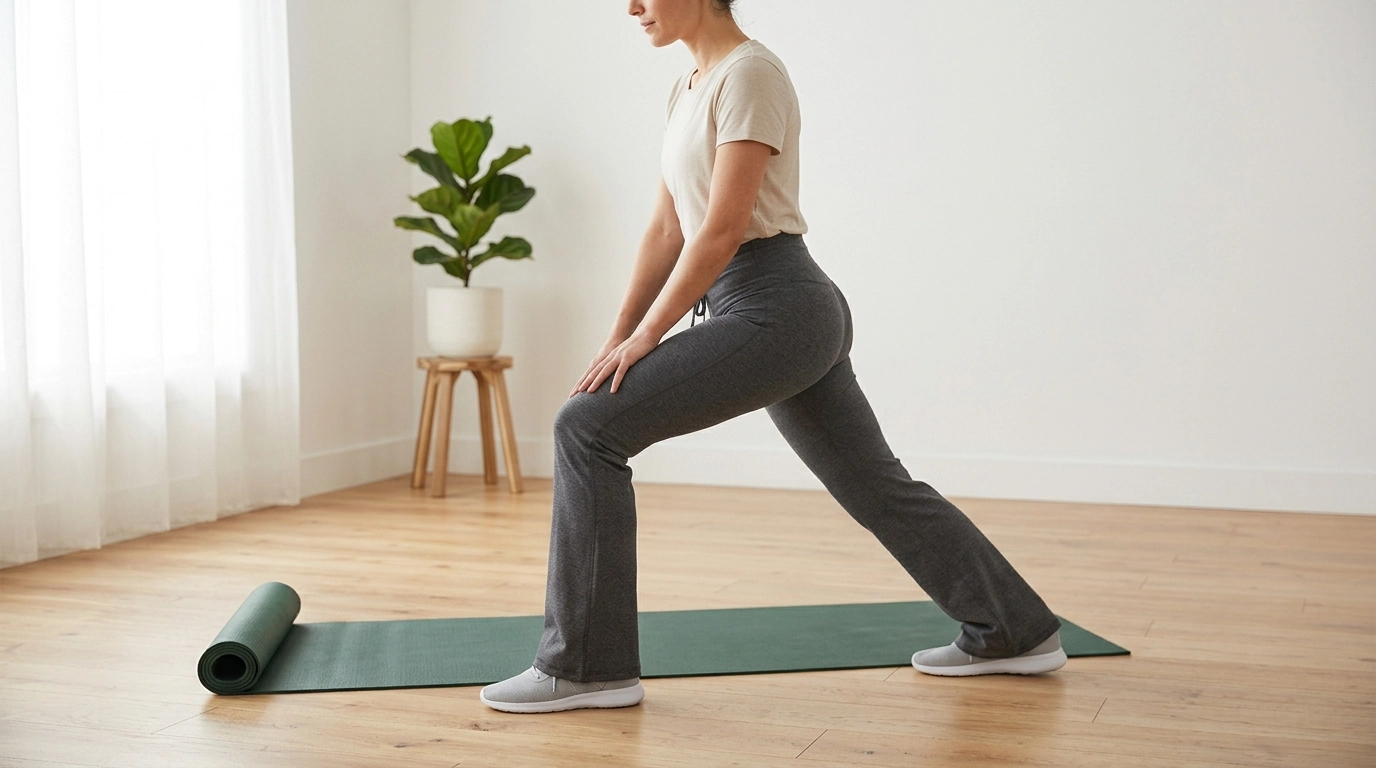
Designed for days when you’re moving (or recovering from moving), women’s high-waist flared yoga pants with an adjustable waist tie bring a secure, flattering fit to a silhouette that’s easy to dress up or down. The high-rise waistband helps you feel supported through bends, seated poses, and everyday errands, while the flare adds balance and a leg-lengthening line that looks as good with sneakers as it does with slides.
What Makes This Pair Different
- High-rise waistband for a held-in feel and smoother lines under tops.
- Flared leg opening for balanced proportions and easy styling with sneakers or slides.
- Adjustable waist tie to customize tightness for different activities and body shapes.
- Versatile look that transitions from workouts to casual outfits without feeling overdressed.
If you’re shopping for a pair that can handle the studio and still look intentional outside it, start with Women’s High Waist Flared Yoga Pants with Adjustable Waist Tie—a clean, wearable option that leans comfortable without looking sloppy.
Fit and Feel: High Waist + Flare
High-waist flare pants tend to feel more “anchored” than mid-rise styles, especially during movements where your waistband normally wants to creep down. That extra coverage can also help reduce roll-down when you’re bending forward or holding seated positions.
- High waist coverage can help reduce waistband roll-down during bending and seated poses.
- The flare adds room at the calf/ankle area, which many people prefer over tight leggings for airflow and everyday comfort.
- For a cleaner drape, aim for snug-but-not-pinching at the waist/hip; the flare should start gradually rather than abruptly.
- If you’re between sizes, choose based on waist comfort first—then use the adjustable tie to refine the fit.
One practical note: the flare works best when the hips and seat aren’t overly compressed. If the fabric feels strained through the hips, the flare can start too low and lose that smooth “fall” that makes the shape so flattering.
Adjustable Waist Tie: How to Use It Well
The tie is more than a style detail—it’s a tuning knob for your day. A secure waistband for training can feel too restrictive when you’re sitting for long stretches, so it helps to adjust based on what you’re actually doing.
- For yoga, Pilates, and stretching: tie firmly enough that the waistband stays put when folding forward, but loose enough to breathe comfortably.
- For walking and daily wear: a softer tie often feels best, especially for long sitting periods.
- To reduce bulk under fitted tops: try a flat bow or a single knot with the ends tucked inward.
- To reduce shifting: tighten, then move through a few squats or lunges and re-tie once the fabric settles.
Comfort matters because it affects consistency—whether that’s showing up for a short practice or simply choosing clothes that support an active lifestyle. For more on yoga’s broader benefits, see Mayo Clinic’s overview of yoga benefits beyond the mat.
Movement and Comfort Checks (Before Removing Tags)
A quick try-on routine can save you from keeping a pair that looks great standing still but annoys you the minute you move. Before committing, run through these simple checks:
- Squat test: check for secure coverage through the hips and that the waistband doesn’t slide.
- Forward fold: confirm the high waist remains comfortable at the abdomen and doesn’t dig in.
- Stride test: take a few long steps; the flare should move freely without catching on shoes.
- All-day test: sit for 10 minutes; the tie should not press uncomfortably into the midsection.
Fabric and cut should support your workout without distraction—especially in movements that involve repeated bending, twisting, and transitions. General guidance on choosing exercise-appropriate clothing is also available through the American College of Sports Medicine (ACSM).
Style Ideas: Studio-to-Street Outfits
For a sporty finish that complements the flare shape, pair your pants with a streamlined sneaker like Armani Exchange Men’s Sneakers for an athleisure-inspired look (especially if you like a slightly chunkier shoe to balance the wider hem).
Quick Fit Guide
At-a-Glance Fit Checklist
| Area | Ideal Fit | Common Issue | Simple Fix |
|---|---|---|---|
| Waistband | Secure without pinching | Rolls or slides | Adjust tie; consider sizing up if pressure is constant |
| Hips/Seat | Smooth, not strained | Pulling or discomfort | Size up for more ease through hips |
| Flare | Falls evenly from knee/calf | Twists or clings | Check hem alignment; ensure even pull on both legs |
| Length | Skims shoe top | Dragging or too short | Hem to preferred shoe height; choose a different length if available |
Care Tips to Keep the Shape
Product Details and Availability
- Product page: Women’s High Waist Flared Yoga Pants with Adjustable Waist Tie
- Current price: $41.51 (USD)
- Availability: In stock
FAQ
Do flared yoga pants work for yoga and Pilates, or are they mainly for casual wear?
They can work well for yoga and Pilates if the waistband stays secure and the flare doesn’t get underfoot. Do a quick squat and forward-fold test, and choose a length that skims your shoes so the hem doesn’t drag.
How tight should the adjustable waist tie be?
Tie it snug enough to prevent slipping during bends, but not so tight that it restricts breathing or presses into your midsection while seated. After a few movements, re-tie once the fabric settles, and use a flat knot if you want less bulk.
What shoes look best with high-waist flare pants?
Sneakers keep the look sporty, slides keep it relaxed, and low-profile boots can elevate the flare for cooler weather. For the cleanest line, aim for a hem that skims the top of the shoe rather than pooling on the ground.
Recommended for you


Was this article helpful?
Yes
No









Leave a comment