-
Shop
- Advanced Technologies
- AI Skills for Creators & Freelancers
- AI Client Management
- AI Ethics
- AI Mindset
- AI Tools & Prompts
- AI Writing & Content Creation
- Audio, Voice & Music
- Design & Visual Creation
- Email, Messaging & Communication
- Freelancing & Business
- Marketing, Ads & Conversion
- Productivity, Workflow & Automation
- SEO & Search Optimization
- Social Media Content & Growth
- Strategy, Planning & Analytics
- Video Creation & Editing
- AI Skills Mastery 2026 Collection
- Bathroom
- Best-Sellers
- Car Accessories
- Confidence
- Dating & Social Skills
- Digital Resources
- Easter Products
- Education & Learning
- Family & Parenting
- Fashion
- Fashion Accessories
- Furniture
- Gadgets
- Health & Beauty
- Health & Wellness
- Home & Garden
- Home Electronics
- Home Supplies
- Jewelry
- Kids & Babies
- Kitchen
- Lighting
- Patio, Lawn & Garden
- Personal Growth
- Pet Care
- Pet Supplies
- Pets
- Shoes
- Smart Home Living Guides
- Sport & Outdoors
- Stress Relief & Relaxation
- Super Deals
- TikTok Growth & Monetization Mastery
- Travel
- Travel & Adventure
- Wealth
- Wellness
Paint-Safe Car Wash Rags: Fast Drying, No Scratches
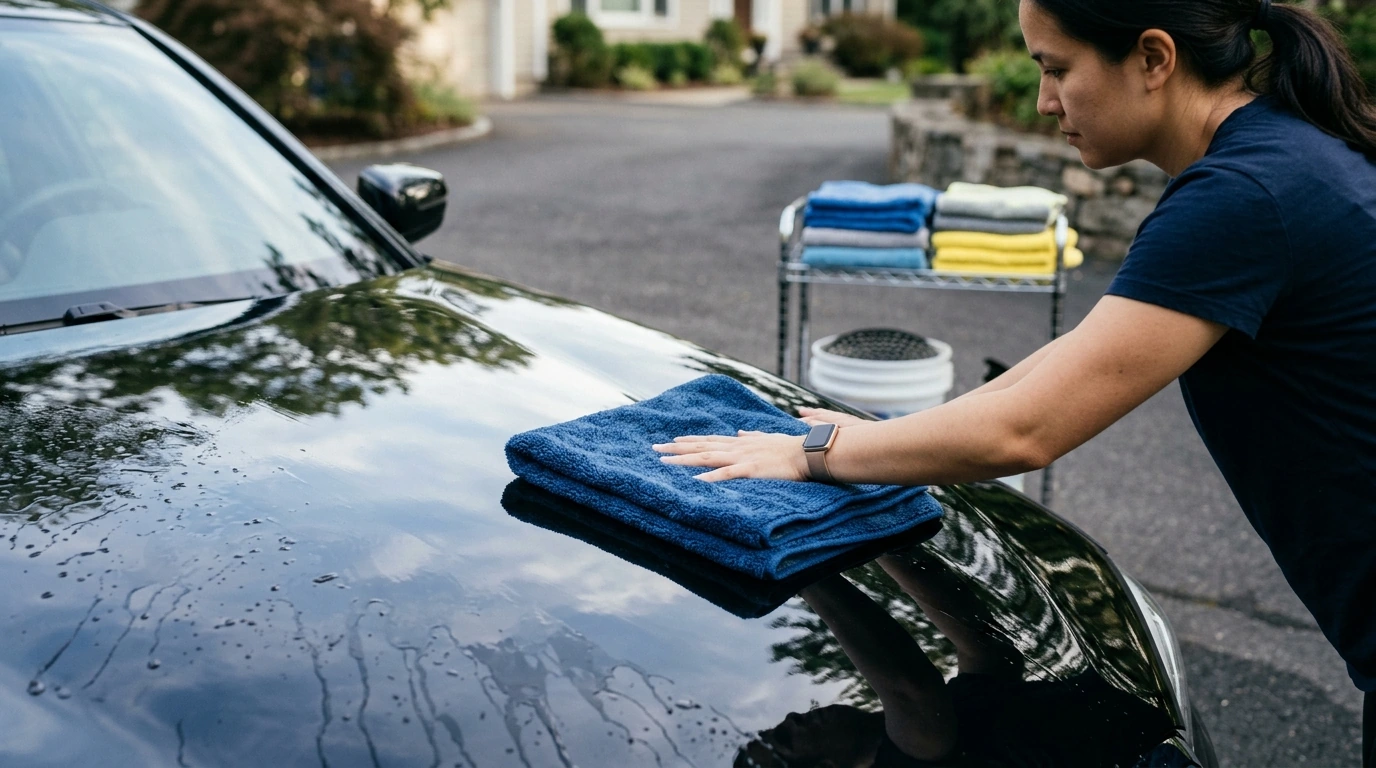
Car Wash Rags That Clean Fast Without Scratching
When paint looks “swirled,” the problem is often the wash tools—not the soap. Soft, absorbent car wash rags help speed up washing and drying while reducing the chance of dragging grit across clear coat, glass, and trim. The goal is simple: a towel that lifts water and residue into the fibers, stays gentle on contact, and remains effective after many wash cycles.
If you’re building a paint-safe setup, start with a dedicated set of quality towels like Car Wash Rags – Absorbent, Non-Scratch Cleaning Towel and reserve separate towels for wheels and messier jobs. That separation alone prevents a lot of accidental marring.
What Makes a Car Wash Rag Safe on Paint
“Non-scratch” performance comes from a few practical details that matter more than marketing terms.
- Soft fibers and a plush surface: A thicker, cushiony nap helps pull light debris up and away from the paint instead of skating it across the surface.
- Clean, well-finished edges: Rough stitching or hardened edges can act like a squeegee for grit. A towel should feel consistently soft corner-to-corner.
- High absorbency: Absorbency isn’t just for drying. During rinseless or waterless steps, the towel must lift moisture and encapsulated dirt without smearing it around.
- Low lint: Lint shows up fast on glass, glossy black trim, chrome, and instrument clusters. A good towel leaves fewer fibers behind, reducing follow-up passes.
- Task separation: Using multiple towels for paint, wheels, and interior prevents cross-contamination—the #1 cause of “mystery scratches” after a wash.
Best Uses Around the Car
A good towel earns its keep in several stages of cleaning, especially where you want controlled contact and clean finishes.
- Drying after the rinse: Blot or glide lightly, then flip to a dry side often to reduce streaks and water trails.
- Quick detailer or spray sealant wipe-down: Plush towels level product smoothly so you don’t leave haze behind.
- Rinseless washing: Fold the towel into quarters and rotate to a fresh face per panel, keeping trapped dirt away from paint.
- Interior touchpoints: Soft, clean towels work well on dashboards, navigation screens (very light pressure), and piano-black trim that scratches easily.
- Glass finishing pass: Dedicate a separate towel for final glass buffing so interior oils or wax residue don’t cause smears.
For convenience during longer wash sessions, keeping your essentials within reach helps you avoid setting towels on the ground. Pairing a towel kit with a simple in-car accessory like the Universal Car Steering Wheel Phone Mount for Safe Navigation can make it easier to follow a wash checklist or timer without juggling your phone with wet hands.
How to Use Towels Without Creating Swirl Marks
Even the best towel can scratch paint if the process is rushed. These habits make the biggest difference:
- Pre-rinse thoroughly: Remove loose grit before any towel touches the surface. Foam pre-wash is helpful, but a strong rinse alone is a major improvement.
- Use the fold-and-flip method: Fold into quarters, wipe a small section, then flip to a clean side. Refold when all faces are used.
- Keep pressure light: Let the fibers do the work. Pressing harder increases the chance of grinding particles into the clear coat.
- Separate wheel and lower-body towels: Brake dust and road grit can turn a “paint-safe” towel into a scratch tool in minutes.
- Drop rule: If a towel hits the ground, retire it to wheels, exhaust tips, or the engine bay—don’t return it to paint.
Washing at home also comes with runoff considerations. The U.S. EPA notes that stormwater can carry pollutants into local waterways, so using controlled washing methods and disposing of waste responsibly matters more than many people realize (EPA — Stormwater Runoff and Pollution).
Towel Types and When Each Works Best
Different weaves and piles are useful for different tasks. Mixing towel types usually delivers better results than relying on one “do-it-all” rag.
| Towel type | Best for | Strengths | Watch-outs |
|---|---|---|---|
| Plush microfiber rag | Buffing, detail sprays, delicate paint | Soft feel; good residue pickup; low lint when quality is high | Can load up with product—swap frequently |
| Waffle-weave microfiber | Glass and panel drying | Streak-resistant; glides easily on wet surfaces | Less plush—avoid heavy pressure on dusty paint |
| Twist-loop drying towel | Full-vehicle drying | Very high absorbency; fewer passes needed | Bulkier—use care around emblems and sharp trim |
| Utility microfiber | Wheels, door jambs, engine bay | Cheap and durable for dirty tasks | Not ideal for paint finishing |
Care and Washing Tips to Keep Towels Soft and Absorbent
For broader context on professional washing and water use, the International Carwash Association is a helpful reference point for responsible cleaning practices.
A Simple, Paint-Safe Towel Workflow
FAQ
Can the same towel be used on paint and wheels?
It’s safer to keep them separate. Brake dust and road grit can embed in the fibers and scratch paint, so older towels are better retired to wheel duty.
How many towels are needed for a safe wash and dry?
A practical setup is one dedicated drying towel plus 4–8 plush towels for paint, depending on vehicle size and whether you’re doing rinseless washing. Folding into quarters and swapping towels as they get saturated or dirty keeps contact paint-safe.
How should microfiber towels be washed so they stay absorbent?
Wash microfiber separately from cotton, use a mild detergent, and avoid fabric softener. Add an extra rinse when possible, dry on low heat (or air-dry), and store them clean in a covered bin to prevent grit contamination.
Recommended for you



Was this article helpful?
Yes
No









Leave a comment