-
Shop
- Advanced Technologies
- AI Skills for Creators & Freelancers
- AI Client Management
- AI Ethics
- AI Mindset
- AI Tools & Prompts
- AI Writing & Content Creation
- Audio, Voice & Music
- Design & Visual Creation
- Email, Messaging & Communication
- Freelancing & Business
- Marketing, Ads & Conversion
- Productivity, Workflow & Automation
- SEO & Search Optimization
- Social Media Content & Growth
- Strategy, Planning & Analytics
- Video Creation & Editing
- AI Skills Mastery 2026 Collection
- Bathroom
- Best-Sellers
- Car Accessories
- Confidence
- Dating & Social Skills
- Digital Resources
- Easter Products
- Education & Learning
- Family & Parenting
- Fashion
- Fashion Accessories
- Furniture
- Gadgets
- Health & Beauty
- Health & Wellness
- Home & Garden
- Home Electronics
- Home Supplies
- Jewelry
- Kids & Babies
- Kitchen
- Lighting
- Patio, Lawn & Garden
- Personal Growth
- Pet Care
- Pet Supplies
- Pets
- Shoes
- Smart Home Living Guides
- Sport & Outdoors
- Stress Relief & Relaxation
- Super Deals
- TikTok Growth & Monetization Mastery
- Travel
- Travel & Adventure
- Wealth
- Wellness
Luxury Interior Design Checklist: Lighting, Layout & Finishes
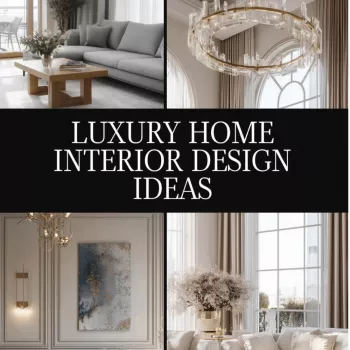
Luxury Interior Design Checklist for Elegant Living: Modern Glam, Classic Elegance, Art Deco & Contemporary Minimalism
A luxury home feels intentional from the first sightline to the smallest hardware choice. A checklist approach keeps decisions consistent—so layout, materials, lighting, and finishing details all reinforce the same point of view. Start with a strong baseline, then tailor the look toward modern glam, classic elegance, art deco, or contemporary minimalism without losing cohesion. For more guidance, see Interior design.
Start With the Luxury “Baseline”: What Makes a Space Feel Elevated
- Define a clear mood. Decide whether the home should read calm and spa-like, dramatic and evening-forward, heritage and tailored, or sleek and minimal—then let that mood filter every purchase.
- Prioritize proportion and negative space. Luxury usually looks quieter: fewer, better pieces with breathing room instead of furniture pressed into every corner.
- Commit to a restrained palette. Choose 2–4 core colors and repeat them across rooms for a steady, high-end flow.
- Pick one hero element per room. A statement light, sculptural sofa, feature wall, or large-scale art creates a focal point; everything else should support it.
- Upgrade the tactile layer. Heavy drapery, real wood, substantial metal finishes, and high-pile or wool rugs deliver instant refinement.
Style Direction Checklist: Pick One Lead Style, Then Add Supporting Notes
- Modern glam: glossy/lacquer accents, plush textiles, bold lighting, and high-contrast neutrals with jewel-tone highlights.
- Classic elegance: symmetry, tailored upholstery, warm neutrals, traditional silhouettes, and layered moldings or trim.
- Art deco: geometric patterns, stepped forms, brass/gold accents, fluting, and statement stone or mirrored surfaces.
- Contemporary minimalism: clean lines, muted palette, hidden storage, low visual noise, and emphasis on craftsmanship and texture.
- Metal discipline: use one consistent metal finish throughout a space (two at most), such as brass + black or chrome + white.
Luxury Style Cheat Sheet (Quick Decisions for Cohesive Rooms)
| Style | Best Base Colors | Go-To Materials | Signature Shapes | Lighting Direction |
|---|---|---|---|---|
| Modern Glam | Black, white, cream, emerald | Velvet, marble, lacquer, polished metal | Curves + crisp edges | Statement chandelier + layered lamps |
| Classic Elegance | Warm white, beige, soft taupe | Linen, wood, stone, brushed metals | Symmetry, tailored silhouettes | Shades + sconces for soft ambience |
| Art Deco | Ivory, black, gold, deep navy | Brass, glass, mirror, veined stone | Geometric, stepped, fluted | Opal globes + dramatic accents |
| Contemporary Minimalism | White, greige, charcoal, muted earth tones | Natural wood, matte stone, wool, microcement | Simple forms, low profiles | Discrete architectural lighting |
Space Planning Checklist: Layout That Feels High-End
- Create clear pathways. Avoid pinch points; circulation should feel intuitive from entry to seating to dining.
- Anchor zones with properly sized rugs. At minimum, ensure front legs of furniture sit on the rug; in formal areas, aim for all legs on the rug.
- Balance sightlines. Place taller pieces so they frame a view rather than block it; make focal points intentional.
- Use symmetry strategically. Matching lamps or chairs add instant polish—even in modern rooms.
- Edit before adding. Remove items that break the palette, create small clutter, or compete with the focal point.
Materials & Finishes Checklist: The “Touch Test” for Luxury
- Choose one primary hard surface and one secondary. Examples: oak + marble, walnut + travertine, microcement + limestone.
- Layer textures instead of adding colors. Bouclé, velvet, linen, leather, wool, ribbed glass, and matte ceramics create depth without chaos.
- Keep sheen intentional. Matte walls with satin trim reads elevated; glossy accents should be concentrated and deliberate.
- Hardware matters. Upgrade pulls, handles, and switch plates for cohesive finishes and a substantial feel.
- Avoid “almost” matches. When coordinating whites, test undertones in daylight and at night before committing.
Lighting Checklist: The Fastest Way to Make a Home Feel Expensive
- Build three layers: ambient (ceiling), task (reading/cooking), and accent (art, niches, architectural details).
- Keep color temperature consistent. Many living spaces land around 2700K–3000K; consistency prevents a patchwork look across rooms.
- Add dimmers wherever possible. Luxury is control over mood, not just maximum brightness.
- Place lamps at eye level. Pools of light soften shadows and flatter reflective finishes.
- Highlight what matters. Wash a feature wall, backlight shelving, or add picture lighting to elevate art.
For deeper guidance on building layered lighting plans, reference the American Lighting Association. For style inspiration and real-home examples, browse Architectural Digest’s interior design coverage. For further reading, see The Best Interior Design Books.
Room-by-Room Luxury Checklist
Styling & Finishing Touches Checklist: Modern “Collected” Without Clutter
Printable Checklist Option: A Simple Way to Plan, Shop, and Execute
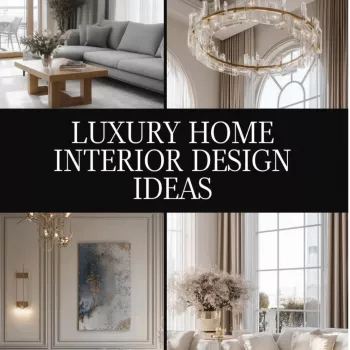
If you want a ready-to-use planning format, the Luxury Home Interior Design Ideas Checklist (digital download) helps keep decisions cohesive across modern glam, classic elegance, art deco, and contemporary minimalism.
To extend that “finished” feeling into everyday routines, small upgrades can reinforce the luxury mindset—like a more refined bathroom setup with the Triple-Sided Ultra-Fine Soft Bristle Toothbrush, or a polished off-duty look with Armani Exchange Men’s Sneakers for quick outings while your home projects come together.
FAQ
What are the easiest upgrades that make a home feel more luxurious?
Focus on layered lighting with dimmers, cohesive hardware finishes, larger-scale art or mirrors, heavier curtains, and upgraded textiles like wool rugs and quality bedding.
How can modern glam and minimalism work together without feeling chaotic?
Keep minimalism as the base with a quiet palette, clean lines, and hidden storage, then add glam selectively—one statement light, one glossy accent, and one plush textile—while limiting metals to one finish.
How many colors should a luxury interior use?
Most luxury interiors rely on 2–4 core colors, using texture for depth. Add one accent color sparingly and repeat it in small, intentional moments for cohesion.
Recommended for you
Was this article helpful?
Yes
No









Leave a comment