-
Shop
- Advanced Technologies
- AI Skills for Creators & Freelancers
- AI Client Management
- AI Ethics
- AI Mindset
- AI Tools & Prompts
- AI Writing & Content Creation
- Audio, Voice & Music
- Design & Visual Creation
- Email, Messaging & Communication
- Freelancing & Business
- Marketing, Ads & Conversion
- Productivity, Workflow & Automation
- SEO & Search Optimization
- Social Media Content & Growth
- Strategy, Planning & Analytics
- Video Creation & Editing
- AI Skills Mastery 2026 Collection
- Bathroom
- Best-Sellers
- Car Accessories
- Confidence
- Dating & Social Skills
- Digital Resources
- Easter Products
- Education & Learning
- Family & Parenting
- Fashion
- Fashion Accessories
- Furniture
- Gadgets
- Health & Beauty
- Health & Wellness
- Home & Garden
- Home Electronics
- Home Supplies
- Jewelry
- Kids & Babies
- Kitchen
- Lighting
- Patio, Lawn & Garden
- Personal Growth
- Pet Care
- Pet Supplies
- Pets
- Shoes
- Smart Home Living Guides
- Sport & Outdoors
- Stress Relief & Relaxation
- Super Deals
- TikTok Growth & Monetization Mastery
- Travel
- Travel & Adventure
- Wealth
- Wellness
Car Safety Ratings: How to Choose a Truly Safe Vehicle
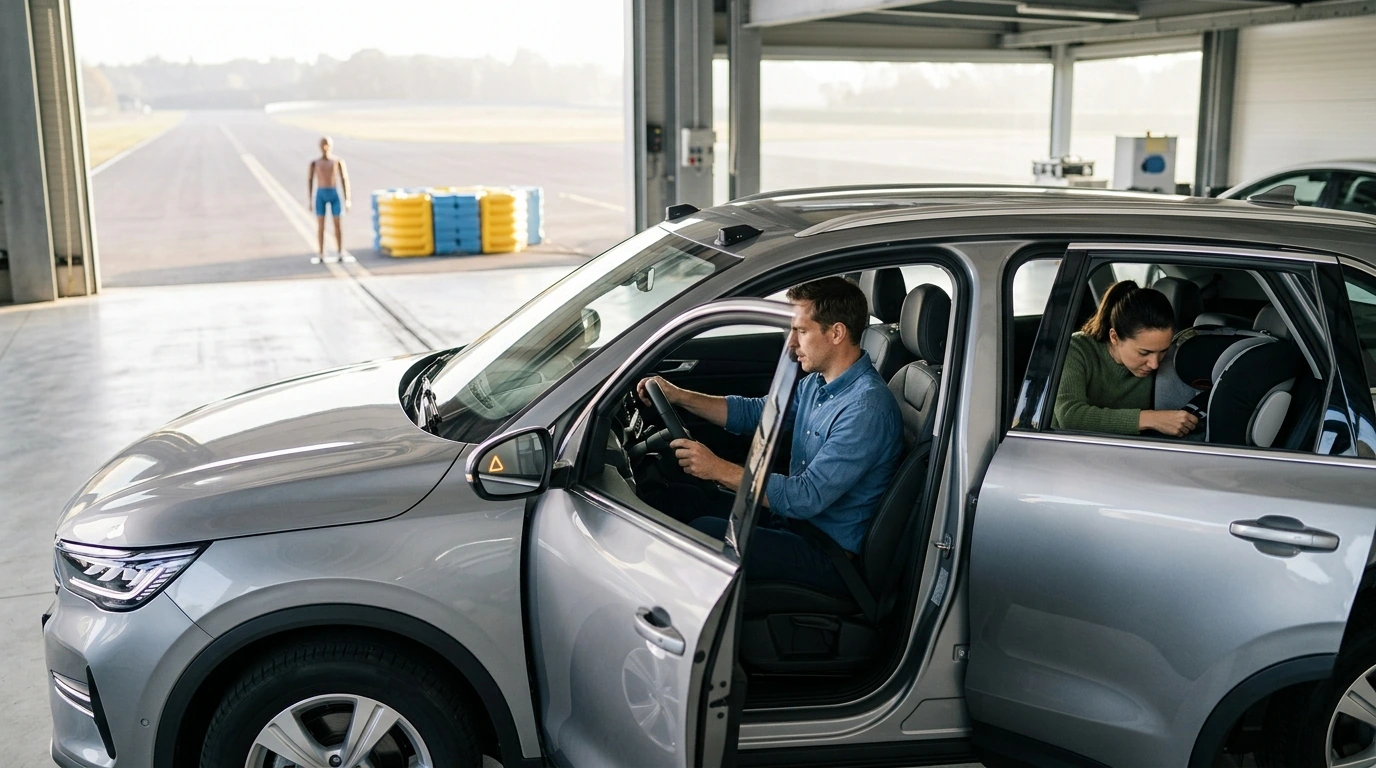
Drive Safer, Smarter: A Practical Safety Guide to Cars With Top Ratings
Car safety is more than a star score. The strongest choice blends crash protection, effective driver-assistance technology, and day-to-day usability that helps drivers respond correctly under stress. The sections below explain what “safe” really means today, how to read ratings without getting fooled by trim differences, and a practical way to compare vehicles so the final pick matches real driving conditions.
What “safe” really means in a modern car
Modern safety comes in two major layers: passive safety and active safety. Passive safety includes the vehicle’s structure, crumple zones, airbags, and seatbelts—everything designed to protect occupants when a crash happens. Active safety focuses on avoiding crashes in the first place through braking, stability control, and driver-assistance systems.
True survivability is about how well a vehicle manages front, side, and rollover forces, plus details that affect injuries in everyday crashes—like whiplash protection from properly designed seats and head restraints. For families, child-seat compatibility matters too, since an excellent crash structure can’t help much if a car seat can’t be installed securely and consistently.
Crash avoidance is the other half of the equation. Effective automatic emergency braking (AEB), lane-keeping support, blind-spot monitoring, and strong lighting can reduce both crash frequency and severity—especially at night and in stop-and-go traffic.
Finally, human factors are underrated. Alerts that are easy to understand, controls that don’t require deep menu-diving, and systems that don’t “cry wolf” too often all make the same technology more effective.
One caution: top scores are often model-, year-, and trim-specific. A different headlight package or missing AEB can change results significantly.
How to read safety ratings without getting misled
Use more than one source. In the U.S., the two most common are the Insurance Institute for Highway Safety (IIHS) and the National Highway Traffic Safety Administration (NHTSA). They test differently and score differently, so cross-checking fills gaps. If you’re comparing global models, Euro NCAP adds another perspective.
Always match the exact model year and body style. A mid-cycle update or full redesign can transform performance in overlap tests, side-impact protocols, and crash-avoidance scoring.
Also, don’t stop at the headline badge. Dig into sub-scores like small overlap, updated side-impact tests, pedestrian detection performance (when published), and headlight ratings. Many awards assume certain equipment is present; confirm the tested driver-assistance features are standard on the trim you’re actually buying.
Major safety rating programs and what they emphasize
| Program | What it measures | What to double-check before buying |
|---|---|---|
| IIHS (U.S.) | Crashworthiness, crash avoidance/mitigation, headlights, ease of use for LATCH | Whether AEB and headlight grade apply to the chosen trim/options |
| NHTSA (U.S.) | Overall star rating, frontal/side/rollover tests | Overall stars can mask weaker sub-scores; confirm rollover risk and side ratings |
| Euro NCAP (Europe) | Adult/child occupant, vulnerable road users, safety assist | Trim/spec differences vs. U.S. models; verify comparable ADAS availability |
Helpful references: IIHS Ratings, NHTSA 5-Star Safety Ratings, and Euro NCAP Ratings.
Safety features that typically deliver the biggest real-world benefits
If you’re prioritizing features that tend to pay off in everyday driving, start with AEB that covers both vehicle-to-vehicle and pedestrian detection. When manufacturers publish performance notes, look for effectiveness beyond low speeds (because higher-speed impacts are where injury risk spikes).
Electronic stability control (ESC) and traction control are foundational for preventing loss-of-control crashes and reducing rollover risk. They’re often standard, but it’s still worth confirming on older used vehicles or base trims.
On the protection side, prioritize robust side-impact coverage: side torso airbags, curtain airbags that extend to rear passengers, and—where available—front center airbags that can reduce head-to-head contact in some side crashes.
Seatbelts matter more than most people realize. Pretensioners and load limiters help manage crash forces, and adjustable upper anchors can improve fit. Rear-seat belt reminders are a practical bonus that helps real families stay consistent.
Pick the right body style for your risks: small cars, SUVs, pickups, and EVs
A step-by-step shortlist method for confident buyers
Common mistakes that reduce safety even in highly rated cars
Practical add-ons that support safer driving habits
If you want a simple, low-cost option, consider a dedicated mount like the Universal Car Steering Wheel Phone Mount for Safe Navigation, and set your route before shifting into drive. Keep the cabin “distraction-light” by pre-setting music and calls and using voice control only when it works reliably.
Recommended reading
For a deeper, keep-on-hand walkthrough of comparing trims, understanding test details, and building a confident shortlist, see Drive Safer, Smarter – A Practical Safety Guide to Cars with Best Safety Ratings for Confident Buyers.
FAQ
Are 5-star safety ratings the same across all organizations?
No. IIHS, NHTSA, and Euro NCAP use different tests, scoring, and equipment assumptions, so a top result in one system doesn’t always translate directly to another. Cross-check the detailed sub-scores and confirm they match the exact year, body style, and trim.
Do optional driver-assistance packages affect safety ratings?
Yes, often. Some awards and high scores rely on specific AEB performance and headlight configurations, which may be optional or limited to higher trims. Make sure the vehicle you’re buying includes the same equipment that was tested.
What should be checked on a used car to confirm it still meets its safety potential?
Verify all recalls are completed, check tire condition and age, and confirm airbags and seatbelts haven’t been compromised. Also ensure ADAS sensors and cameras are functioning and properly calibrated—especially if the windshield or bumpers have been repaired or replaced.
Recommended for you


Was this article helpful?
Yes
No









Leave a comment