-
Shop
- Advanced Technologies
- AI Skills for Creators & Freelancers
- AI Client Management
- AI Ethics
- AI Mindset
- AI Tools & Prompts
- AI Writing & Content Creation
- Audio, Voice & Music
- Design & Visual Creation
- Email, Messaging & Communication
- Freelancing & Business
- Marketing, Ads & Conversion
- Productivity, Workflow & Automation
- SEO & Search Optimization
- Social Media Content & Growth
- Strategy, Planning & Analytics
- Video Creation & Editing
- AI Skills Mastery 2026 Collection
- Bathroom
- Best-Sellers
- Car Accessories
- Confidence
- Dating & Social Skills
- Digital Resources
- Easter Products
- Education & Learning
- Family & Parenting
- Fashion
- Fashion Accessories
- Furniture
- Gadgets
- Health & Beauty
- Health & Wellness
- Home & Garden
- Home Electronics
- Home Supplies
- Jewelry
- Kids & Babies
- Kitchen
- Lighting
- Patio, Lawn & Garden
- Personal Growth
- Pet Care
- Pet Supplies
- Pets
- Shoes
- Smart Home Living Guides
- Sport & Outdoors
- Stress Relief & Relaxation
- Super Deals
- TikTok Growth & Monetization Mastery
- Travel
- Travel & Adventure
- Wealth
- Wellness
Classic + Modern Comfort Food Fusion Checklist (Printable)
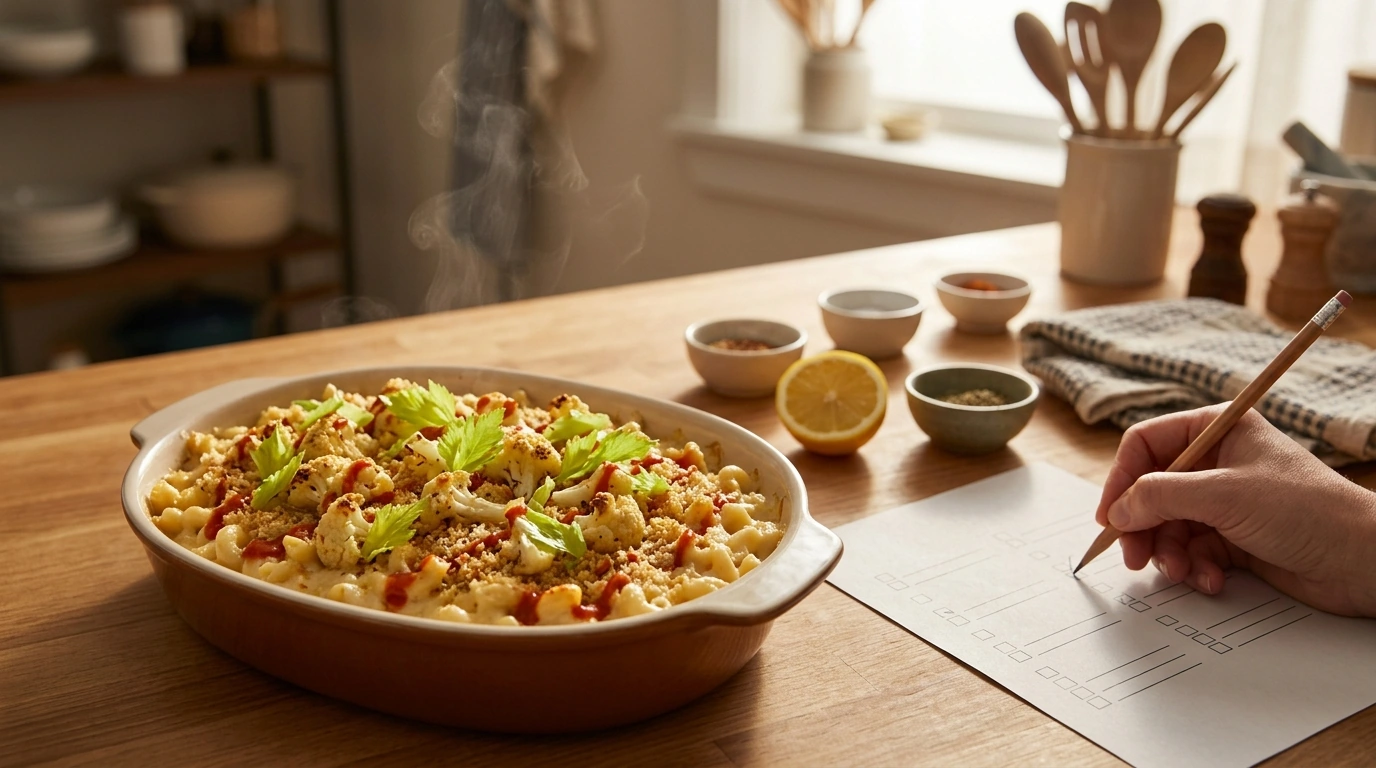
Checklist for Blending Classic & Modern Comfort Foods (Printable Guide + Easy Fusion Ideas)
Blending classic comfort dishes with modern flavors and techniques keeps weeknight cooking familiar but fresh. The goal isn’t to “reinvent” mac and cheese or chili—it’s to keep the cozy cues (warmth, richness, that first nostalgic bite) while adding a smart twist that feels intentional. Use the checklist below to balance nostalgia, texture, spice, and presentation, then borrow a few low-effort fusion combinations that work with pantry staples and common supermarket finds.
What “classic + modern” comfort food blending looks like
- Start with a recognizable base: mac and cheese, chili, fried chicken, meatloaf, mashed potatoes, ramen, grilled cheese, pot pie.
- Add one modern twist at a time: a global sauce, a new texture, a lighter cooking method, or a bold topping.
- Keep the comfort cues intact: warmth, richness, familiar aromas, and a satisfying bite.
- Aim for contrast: creamy + crunchy, savory + bright, rich + acidic, soft + crisp.
A helpful way to think about it: the base should still “read” as the original dish across the table. The twist should show up in the second bite—interesting, not confusing.
The printable blending checklist (quick, repeatable steps)
- Pick the anchor dish: choose one classic recipe the household already likes.
- Choose the modern direction: pick one lane—spice-forward, plant-forward, lighter technique, extra-crunch, or “street-food” style.
- Balance the five levers: salt, fat, acid, heat, and sweetness (adjust in small increments).
- Add a bright element: lemon, vinegar, pickles, kimchi, salsa verde, herb salad, quick slaw.
- Add a texture element: toasted breadcrumbs, crushed chips, fried shallots, sesame seeds, crispy chickpeas.
- Upgrade one component: swap standard cheese for smoked gouda; use miso butter; finish with chili crisp; add roasted garlic.
- Set a limit: keep it to 1–2 twists so the dish still reads as comfort food.
- Test with a “two-bite check”: bite one for familiarity, bite two for the twist—then adjust acid or salt.
- Write the keeper note: record the twist + finishing garnish so it’s easy to repeat.
If you want a one-page version you can keep on the fridge or use on meal-planning day, see the Printable checklist for blending classic and modern comfort foods.
Comfort-Fusion Pairing Matrix
| Classic base | Modern twist | Bright finish | Crunch/texture | Best for |
|---|---|---|---|---|
| Mac and cheese | Miso + sharp cheddar | Rice vinegar splash | Panko + sesame | Weeknight upgrade |
| Chili | Chipotle + cocoa | Lime + cilantro | Tortilla strips | Game day |
| Meatloaf | Gochujang glaze | Quick cucumber pickle | Toasted seeds | Make-ahead dinners |
| Mashed potatoes | Garlic confit + olive oil | Lemon zest | Crispy onions | Holiday side refresh |
| Grilled cheese | Kimchi + mozzarella | Pickle brine dip | Everything seasoning | Fast lunch |
| Chicken pot pie | Curry roux | Mango chutney dollop | Filo shards | Cozy weekend meal |
Easy fusion ideas (low-effort swaps that taste intentional)
- Ramen carbonara: use ramen noodles, keep the egg-and-cheese sauce, and finish with scallions and chili oil. A squeeze of lemon keeps it from feeling heavy.
- Taco shepherd’s pie: taco-seasoned filling with corn and/or black beans, topped with mashed potatoes and cheddar. Add pickled jalapeños right before serving for brightness.
- Buffalo cauliflower mac: roasted cauliflower + buffalo sauce stirred into mac; finish with a celery-herb topping (celery leaves + parsley) for crunch and freshness.
- Teriyaki meatballs with mashed potatoes: classic comfort plate, modern sauce. Add sesame and pickled ginger to cut the sweetness and wake up the flavors.
- Chili crisp grilled cheese: spread chili crisp inside, add a mild melty cheese, and serve with tomato soup. If it gets too spicy, dunk in soup or add a swipe of mayo on the bread.
- Miso mushroom gravy over biscuits: classic biscuits with an umami-forward gravy; finish with chives and black pepper. A tiny splash of vinegar at the end makes the whole thing taste “lighter” without changing the comfort vibe.
When you’re mixing cuisines, keep your “hero” ingredient singular. One bold sauce plus one crisp garnish is usually enough.
Common pitfalls and quick fixes
For food safety basics when you’re updating classics (especially poultry, casseroles, and leftovers), follow the USDA safe minimum internal temperatures chart. For storage and leftover timelines, the USDA FoodKeeper resource is a practical reference.
Make it a habit: a simple weekly rotation
If you want the “why it works” behind balancing salt, fat, acid, and aroma, Harvard’s overview of the science of taste is a helpful primer.
Printable guide: what’s included and how to use it
Two handy add-ons for real-life routines: a universal car steering wheel phone mount can keep your grocery list or pickup directions visible when you’re parked and planning stops, and a triple-sided ultra-fine soft bristle toothbrush is a simple upgrade after garlic-heavy comfort dinners (or chili night).
FAQ
What’s the easiest way to modernize a classic comfort dish without changing it too much?
Pick a single twist: swap one sauce (like gochujang glaze on meatloaf) or add one finishing garnish (like pickles, herbs, or toasted crumbs). Adding a little acid and a little crunch is usually the safest, most “still comfort food” upgrade.
How do flavors stay balanced when mixing cuisines?
Use the salt-fat-acid-heat framework and adjust in small steps as you taste. Keep one dominant sauce, then add brightness at the end so the dish stays clear and cohesive.
What are good pantry items for quick comfort-food fusion?
Chili crisp, miso, gochujang, curry paste, canned chipotles, kimchi or pickles, sesame oil, rice vinegar, and panko are versatile and mix well with classic American comfort bases.
Recommended for you


Was this article helpful?
Yes
No









Leave a comment