-
Shop
- Advanced Technologies
- AI Skills for Creators & Freelancers
- AI Client Management
- AI Ethics
- AI Mindset
- AI Tools & Prompts
- AI Writing & Content Creation
- Audio, Voice & Music
- Design & Visual Creation
- Email, Messaging & Communication
- Freelancing & Business
- Marketing, Ads & Conversion
- Productivity, Workflow & Automation
- SEO & Search Optimization
- Social Media Content & Growth
- Strategy, Planning & Analytics
- Video Creation & Editing
- AI Skills Mastery 2026 Collection
- Bathroom
- Best-Sellers
- Car Accessories
- Confidence
- Dating & Social Skills
- Digital Resources
- Easter Products
- Education & Learning
- Family & Parenting
- Fashion
- Fashion Accessories
- Furniture
- Gadgets
- Health & Beauty
- Health & Wellness
- Home & Garden
- Home Electronics
- Home Supplies
- Jewelry
- Kids & Babies
- Kitchen
- Lighting
- Patio, Lawn & Garden
- Personal Growth
- Pet Care
- Pet Supplies
- Pets
- Shoes
- Smart Home Living Guides
- Sport & Outdoors
- Stress Relief & Relaxation
- Super Deals
- TikTok Growth & Monetization Mastery
- Travel
- Travel & Adventure
- Wealth
- Wellness
Beginner Affiliate Programs: Steps to Your First Commission

Best Affiliate Programs for Beginners: A Step-by-Step Path to First Commissions
Affiliate marketing can feel overwhelming at the start: picking a niche, choosing programs, getting approved, and creating content that actually converts. A beginner-friendly path is simpler than it looks—choose one audience problem, pick one or two program types that match that problem, publish a small set of pages that guide readers to a decision, and improve what’s already working before expanding.
What Makes an Affiliate Program Beginner-Friendly
Not every affiliate program is built for newcomers. The best “starter” programs remove friction and make it easy to understand what’s working.
- Simple approval process: clear requirements, fast decisions, and minimal setup so you can start promoting quickly.
- Reliable tracking and reporting: a dashboard that clearly shows clicks, conversions, reversals, and payouts.
- Low refund risk: products with clear value, fair policies, and stable demand (fewer chargebacks and surprises).
- Good commission structure: reasonable rates, recurring commissions for subscriptions, or higher-ticket payouts when the purchase is more considered.
- Strong merchant assets: quality product pages, images/creatives, and clear brand guidelines that reduce guesswork.
- Support and education: onboarding materials, responsive affiliate managers, and examples for common promotion methods (content, email, social).
As a baseline, prioritize transparency and trust. For example, disclosures are not optional; the FTC explains clear disclosure expectations in its guidance for creators and publishers (FTC Disclosures 101).
Program Types Beginners Usually Start With (and When to Use Each)
Different program categories fit different audiences. A broad lifestyle blog often starts differently than a focused tutorial site.
Quick comparison of common affiliate program types
| Program type | Typical commission | Beginner pros | Watch-outs |
|---|---|---|---|
| Retail marketplaces | Low to medium | Easy to find products for any topic; fast content ideas | Lower margins; many similar competitors |
| Software/subscriptions | Medium to high (often recurring) | Compounding payouts; strong intent keywords | Harder if the audience is broad or casual |
| Digital products/courses | High | High payout per sale; clear transformation promise | Quality varies; refunds can be higher in some niches |
| Affiliate networks | Varies | One login for many brands; easier testing | Offer quality varies; terms differ by merchant |
| Lead-gen | Fixed per lead | Can monetize informational traffic | Strict rules; low-quality traffic can lead to reversals |
If you’re building “recommendation-style” content (roundups, gear lists, or small problem/solution posts), retail-style offers are straightforward. For example, practical low-cost items like the Universal Car Steering Wheel Phone Mount for Safe Navigation or the Triple-Sided Ultra-Fine Soft Bristle Toothbrush for Enhanced Oral Health are easy to explain in a “what it does + who it’s for + how to use it” format.
Step-by-Step Setup: From Zero to First Promotion
Keep your promotion methods compliant and user-focused. If you rely on organic search traffic, avoid tactics that violate quality guidelines; Google’s web spam policies are a helpful reference point for staying on the right side of best practices (Google Search Central spam policies).
Beginner Mistakes That Slow Down Results (and Simple Fixes)
Also plan for the business side early. Affiliate income is typically taxable, and it helps to understand basic obligations and recordkeeping from the start (IRS Self-Employed Individuals Tax Center).
A Simple 30-Day Action Plan for Consistent Progress
A Practical Workbook-Style Guide for Getting Started Faster
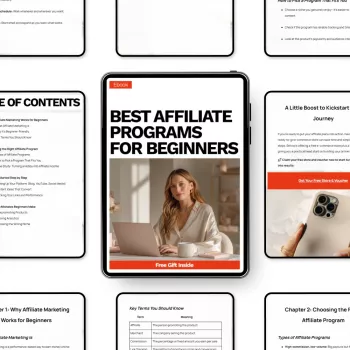
If you want a guided, step-by-step approach that focuses on choosing offers, setting up tracking, writing conversion-focused pages, and maintaining a sustainable publishing cadence, consider Best Affiliate Programs for Beginners | Step-by-Step Affiliate Marketing Ebook for Passive Income, Online Business & Digital Marketing Starters. For quick access, you can also find it here: Step-by-Step Affiliate Marketing Ebook for Beginners.
Once your content and tracking are in place, adding a few clearly-positioned recommendations can help you test what converts. If your audience fits lifestyle or fashion buying decisions, a product like Armani Exchange Men’s Sneakers can make sense in a “best everyday sneakers” or “how to style” context—just keep the page focused on one primary recommendation and a small number of alternatives.
Before choosing, compare the product details with your daily routine, available space, care needs, and preferred setup. The strongest option is usually the one that fits the intended use clearly and remains simple to clean, store, and check before repeat use.
FAQ
How long does it take to earn the first affiliate commission?
Many beginners see their first commission in a few weeks to a few months, depending on traffic and how purchase-ready the audience is. The fastest path is usually one high-intent page (a comparison or “best for” guide) paired with one clear offer and a strong call-to-action.
Do beginners need a website to start affiliate marketing?
No, but having a website helps because you control the content, link placement, and user experience. You can start with YouTube or social platforms, but many programs prefer a site, and building an email list gives you more long-term stability than relying only on a platform feed.
What should an affiliate disclosure say?
Use plain language like: “Disclosure: This page contains affiliate links. If you buy through these links, I may earn a commission at no additional cost to you.” Place it near the first affiliate link and keep a dedicated disclosure page so it’s easy to find.
Recommended for you

Was this article helpful?
Yes
No









Leave a comment