-
Shop
- Advanced Technologies
- AI Skills for Creators & Freelancers
- AI Client Management
- AI Ethics
- AI Mindset
- AI Tools & Prompts
- AI Writing & Content Creation
- Audio, Voice & Music
- Design & Visual Creation
- Email, Messaging & Communication
- Freelancing & Business
- Marketing, Ads & Conversion
- Productivity, Workflow & Automation
- SEO & Search Optimization
- Social Media Content & Growth
- Strategy, Planning & Analytics
- Video Creation & Editing
- AI Skills Mastery 2026 Collection
- Bathroom
- Best-Sellers
- Car Accessories
- Confidence
- Dating & Social Skills
- Digital Resources
- Easter Products
- Education & Learning
- Family & Parenting
- Fashion
- Fashion Accessories
- Furniture
- Gadgets
- Health & Beauty
- Health & Wellness
- Home & Garden
- Home Electronics
- Home Supplies
- Jewelry
- Kids & Babies
- Kitchen
- Lighting
- Patio, Lawn & Garden
- Personal Growth
- Pet Care
- Pet Supplies
- Pets
- Shoes
- Smart Home Living Guides
- Sport & Outdoors
- Stress Relief & Relaxation
- Super Deals
- TikTok Growth & Monetization Mastery
- Travel
- Travel & Adventure
- Wealth
- Wellness
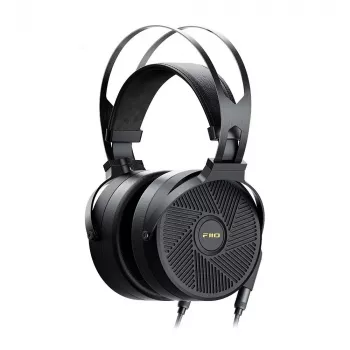
90mm Planar Magnetic Headphones for Studio-Grade Detail

High-Performance 90mm Planar Magnetic Headphones: Big-Driver Detail for Audiophiles and Studio Work
Planar magnetic headphones are prized for their fast transient response, low distortion, and a presentation that stays composed when a mix gets busy. Stepping up to a large 90mm planar driver can add a sense of effortless dynamics and scale—useful for critical listening, editing, and long sessions where tonal balance and imaging matter as much as raw detail. If you want clarity without the “shout” and a low end that stays controlled as volume rises, a well-tuned planar design is often a strong fit.
What Makes a 90mm Planar Driver Different
Planar drivers work differently than traditional moving-coil (dynamic) drivers. Instead of a cone and voice coil moving from a single point, a planar uses a thin diaphragm with a conductive trace suspended in a magnetic field. That structure applies force more evenly across the diaphragm surface, which can translate into cleaner motion—especially during complex passages.
With a larger diaphragm area (such as 90mm), the driver can move air with less strain. That can improve perceived ease, bass authority, and headroom without relying on heavy boosts in the tuning. Planar “speed” also tends to reveal microdetails—reverb tails, pick noise, vocal breath, and the edges of percussion—without blurring leading transients.
Even diaphragm movement can reduce harmonic distortion compared with many dynamic designs at similar listening levels. The main trade-offs are typically higher power demand and greater sensitivity to pad seal and fit; a small change in positioning can shift bass and overall tonal balance more than many listeners expect.
Listening and Studio Use: Where Planars Shine
Planar magnetics often feel purpose-built for tasks that depend on precision. In editing and cleanup, quick transients help you spot clicks, plosives, mouth noises, and compression artifacts that can hide on slower-sounding headphones. For balancing, stable imaging and separation make panning and depth decisions more repeatable, which is especially helpful when comparing multiple revisions.
Low-end work is another common strength. Planar bass can stay taut at higher SPL, helping decisions about kick/bass overlap, sub energy, and how low-frequency compression is behaving. For long sessions, many listeners find a smooth planar presentation easier to tolerate—particularly when upper mids and treble are well controlled—reducing “listener fatigue” during extended EQ, de-essing, or automation passes.
As a cross-check, planars can complement monitor speakers by highlighting different aspects of dynamics and spatial cues. The best workflow is still comparative: a trusted headphone perspective plus speaker playback for room interaction and translation.
Comfort, Build, and Practical Setup
Comfort isn’t a bonus feature with larger drivers; it’s essential. Pad seal strongly affects bass quantity and perceived warmth, so consistent fit matters if you’re using headphones to make mix decisions you want to repeat tomorrow. Headband design also becomes more important as cup size grows—look for weight distribution that doesn’t create a “hot spot” on the crown during multi-hour sessions.
Open-back vs. closed-back is a practical choice. Open designs usually stage wider and sound airier, which can help with depth cues and reverb decisions. Closed designs isolate better for tracking and noisy environments, often with more intimate staging. Detachable cables and reliable connectors reduce downtime, especially in studio workflows where cables get tugged, rolled, and re-plugged repeatedly.
Amplification and Source Pairing
For hearing health, keep an eye on monitoring level habits and take breaks. Guidance from the NIOSH Noise and Hearing Loss Prevention resources is a useful reminder that clarity doesn’t require unsafe SPL.
Quick Comparison: Planar Magnetic vs Dynamic Headphones
| Category | Planar Magnetic (Typical) | Dynamic (Typical) |
|---|---|---|
| Transient response | Fast, clean leading edges; strong microdetail | Varies widely; can be punchy, sometimes less “instant” |
| Bass character | Taut, layered bass; low distortion at level | Often punchy with more “slam”; depends on enclosure and tuning |
| Power needs | Can benefit from more current/amp headroom | Often easier to drive, especially portable models |
| Imaging/separation | Often strong separation; stable placement | Can be excellent; varies by design and tuning |
| Fit sensitivity | Pad seal and positioning can noticeably affect bass/tonality | Also affected by fit, sometimes less dramatically |
A Solid Option to Consider
If you’re looking for a large-driver planar built for detail-focused listening and production tasks, consider the High-Performance 90mm Planar Magnetic Headphones for Audiophiles & Studio Use. This style of tuning is typically best suited for critical listening, mix decisions that rely on separation, and anyone who prefers planar speed and control over exaggerated punch.
For everyday practicality beyond the desk—like safer navigation during commutes to sessions or rehearsals—an accessory such as the Universal Car Steering Wheel Phone Mount for Safe Navigation can help keep your route visible without fumbling for a phone, leaving your attention where it belongs.
For deeper technical context on audio standards and engineering practices, the Audio Engineering Society (AES) is a widely respected reference point.
Getting Reliable Results: Simple Calibration Habits
FAQ
Do planar magnetic headphones need a dedicated amplifier?
Not always—many work from audio interfaces and some portable sources—but planars often sound more controlled with a cleaner, higher-headroom amp. Check sensitivity/impedance when available and listen for signs of strain (thin bass, clipped peaks, or compressed dynamics) at your normal monitoring level.
Are planar headphones accurate enough for mixing and mastering?
They can be, but accuracy depends on the specific tuning, consistent fit, and a calibrated workflow using references. Planars often excel at separation and transient clarity, and they’re strongest when paired with reference tracks and at least occasional speaker checks for translation.
What does a 90mm planar driver change in day-to-day listening?
A larger planar diaphragm can add a bigger sense of scale, more effortless dynamics, and low-end authority without sounding boomy. The trade-off is that comfort/weight and seal sensitivity can be more noticeable, so dialing in fit matters.
Recommended for you


Was this article helpful?
Yes
No









Leave a comment