-
Shop
- Advanced Technologies
- AI Skills for Creators & Freelancers
- AI Client Management
- AI Ethics
- AI Mindset
- AI Tools & Prompts
- AI Writing & Content Creation
- Audio, Voice & Music
- Design & Visual Creation
- Email, Messaging & Communication
- Freelancing & Business
- Marketing, Ads & Conversion
- Productivity, Workflow & Automation
- SEO & Search Optimization
- Social Media Content & Growth
- Strategy, Planning & Analytics
- Video Creation & Editing
- AI Skills Mastery 2026 Collection
- Bathroom
- Best-Sellers
- Car Accessories
- Confidence
- Dating & Social Skills
- Digital Resources
- Easter Products
- Education & Learning
- Family & Parenting
- Fashion
- Fashion Accessories
- Furniture
- Gadgets
- Health & Beauty
- Health & Wellness
- Home & Garden
- Home Electronics
- Home Supplies
- Jewelry
- Kids & Babies
- Kitchen
- Lighting
- Patio, Lawn & Garden
- Personal Growth
- Pet Care
- Pet Supplies
- Pets
- Shoes
- Smart Home Living Guides
- Sport & Outdoors
- Stress Relief & Relaxation
- Super Deals
- TikTok Growth & Monetization Mastery
- Travel
- Travel & Adventure
- Wealth
- Wellness
Silicone Baby Feeding Set: Suction Bowl, Utensils, Cup & Bib
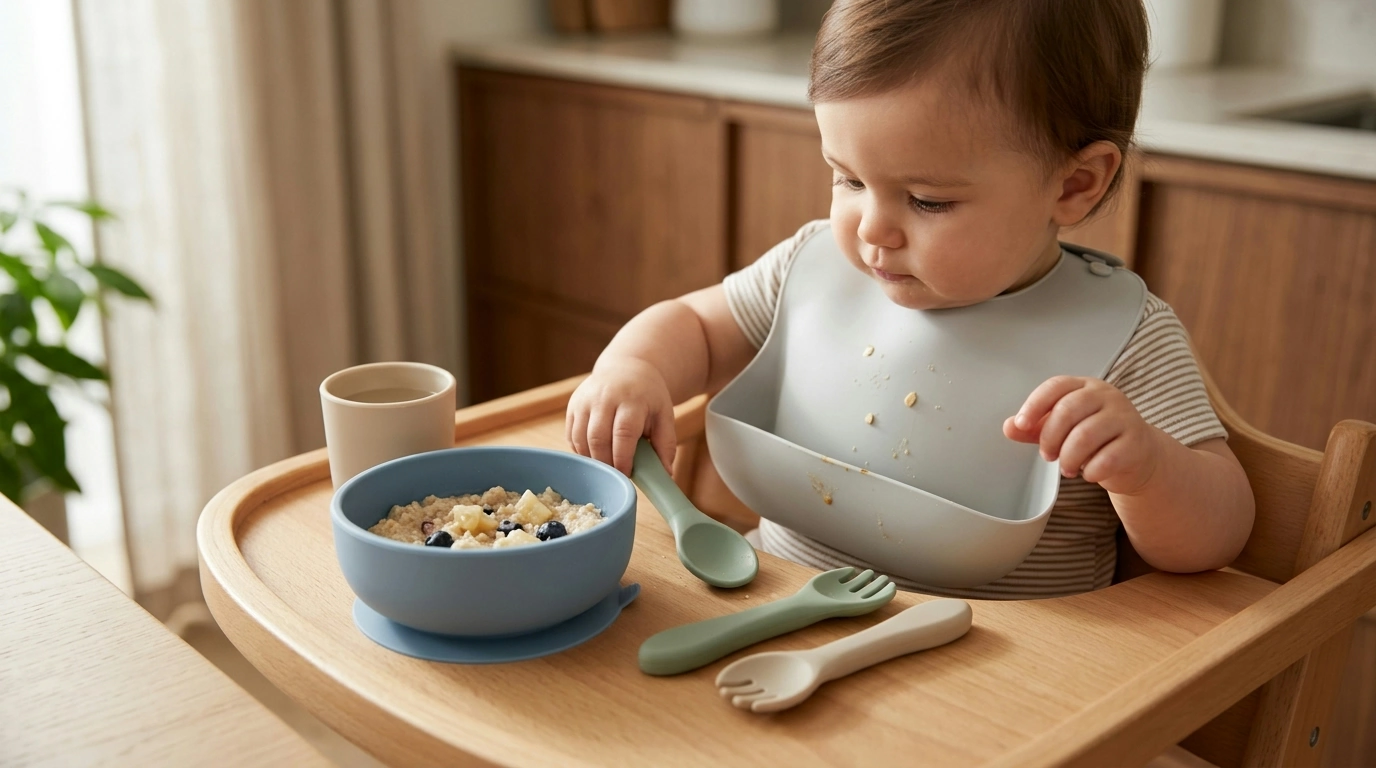
5-Piece Silicone Baby Tableware Set for Everyday Self-Feeding
A practical feeding routine usually comes down to a few essentials that work well together: a bowl that doesn’t slide, utensils that are easy to hold, a small cup that fits mealtime portions, and a bib that actually catches what falls. A 5-piece silicone tableware set combines those basics into one coordinated kit, helping reduce spills, support early self-feeding skills, and simplify cleanup—whether meals happen at the kitchen table, on a high chair tray, or packed for travel. For more guidance, see [PDF] Example Products for Feeding Infants, Toddlers, and Children.
For guidance on age-appropriate feeding and safe transitions to solids, reputable resources like the American Academy of Pediatrics and the CDC offer helpful overviews that can be paired with your child’s pediatrician’s recommendations.
What’s Included in the 5-Piece Set
- Suction bowl designed to stay put on smooth, flat surfaces during scooping
- Spoon and fork sized for small hands and early utensil practice
- Cup for small sips and routine hydration at meals
- Adjustable bib with a catch pocket to help contain crumbs and drips
- Cohesive set that keeps feeding essentials matched and easy to pack
If you want a ready-to-go option, the 5-Piece Silicone Baby Tableware Set with Suction Bowl, Spoon, Fork, Cup & Adjustable Bib brings these everyday pieces together in one place.
How Each Piece Helps at Mealtime
The real value of a set like this is how it supports the “learning curve” of eating. Babies often want independence before they have consistent coordination, so the right tools can lower frustration for everyone at the table.
- Suction bowl helps prevent tipping and bowl-chasing, especially during messy foods like yogurt, oatmeal, or purees
- Utensils encourage hand-to-mouth coordination and early independent eating
- Cup supports transitioning from bottle feeding toward open cup practice as appropriate
- Bib catch pocket reduces outfit changes by catching falling food before it hits the lap
- Using the same set consistently builds familiarity and reduces mealtime frustration
Set Breakdown: Uses and When It’s Most Helpful
| Item | Primary use | Best for |
|---|---|---|
| Suction bowl | Holds food in place while baby scoops | Purees, soft solids, early self-feeding |
| Spoon | Scooping and bringing food to mouth | First utensil practice, soft foods |
| Fork | Picking up soft pieces | Soft fruits/vegetables, toddler practice |
| Cup | Small drinks with meals | Water at meals, practicing sipping |
| Adjustable bib | Catches spills and crumbs | Messy meals, snacks, travel |
Silicone Comfort and Daily Durability
Silicone is a popular material for baby feeding items because it’s flexible, soft-touch, and generally resilient in everyday use. During early feeding, a gentler feel can be more comfortable around sensitive gums than harder plastics, especially when babies mouth utensils as part of learning. Flexible pieces also tend to handle drops better than rigid items, reducing the chance of cracking.
- Soft-touch material can be gentler on gums than hard plastic during early feeding
- Flexible pieces are less likely to crack from drops compared to rigid alternatives
- Lightweight set makes it practical for high chair, kitchen table, or travel
- Silicone can resist staining and odor buildup better when cleaned promptly after strongly colored foods
- A single coordinated set reduces the need to mix and match feeding gear
For more background on materials used around food, the FDA’s overview of food contact substances is a useful reference point.
Getting the Best Hold from the Suction Bowl
Suction can feel “magical” when it works and disappointing when it doesn’t—usually because of the surface, not the bowl. A few setup habits make a noticeable difference.
- For strongest suction, press the bowl onto a clean, dry, smooth surface
- Avoid textured wood grain, fabric placemats, or heavily curved tray areas that can weaken suction
- Wipe the table/tray first—crumbs, moisture, or oil can reduce grip
- Teach “lift from the edge” for caregivers when removing the bowl rather than pulling straight up
- If baby can break the seal, consider placing the bowl slightly farther from the tray edge
Utensil Practice Without the Struggle
Early utensil practice is often messy—but it doesn’t have to be discouraging. Small adjustments to food texture and portioning can help your child succeed more often, which builds willingness to keep trying.
- Start with thicker foods that cling (mashed avocado, yogurt, oatmeal) to build confidence
- Offer preloaded spoon/fork at first, then transition to baby-led scooping
- Keep portion sizes small to reduce overwhelm and improve success per scoop
- Model slow, calm bites and keep utensils within easy reach
- Rotate between spoon and fork as texture changes from purees to soft finger foods
Cup and Bib: Small Details That Reduce Mess
The cup and bib are often the “quiet heroes” of a feeding set. Used consistently, they cut down on constant wiping and keep meals moving forward.
Cleaning and Care for Everyday Use
Shop Feeding-Time Essentials
- 5-Piece Silicone Baby Tableware Set with Suction Bowl, Spoon, Fork, Cup & Adjustable Bib
- Triple-Sided Ultra-Fine Soft Bristle Toothbrush for Enhanced Oral Health
- Universal Car Steering Wheel Phone Mount for Safe Navigation
FAQ
Does the suction bowl stick to all surfaces?
Suction works best on clean, dry, smooth, non-porous surfaces. Textured wood, matte finishes, fabric placemats, and curved tray sections can weaken the seal, so wiping the surface and choosing a flatter spot usually improves hold.
What age is this type of tableware set best for?
The bowl and spoon are typically most useful when starting solids, while the fork and cup become more helpful as hand control and coordination improve. Always supervise during meals and match food textures to your child’s developmental readiness.
How should silicone baby feeding items be cleaned to avoid lingering odors?
Wash promptly after use, paying extra attention to edges and pockets where residue can hide, then let everything dry completely before storing. Strongly colored foods may cause temporary staining, but consistent cleaning helps prevent lingering smells.
Recommended for you


Was this article helpful?
Yes
No









Leave a comment