-
Shop
- Advanced Technologies
- AI Skills for Creators & Freelancers
- AI Client Management
- AI Ethics
- AI Mindset
- AI Tools & Prompts
- AI Writing & Content Creation
- Audio, Voice & Music
- Design & Visual Creation
- Email, Messaging & Communication
- Freelancing & Business
- Marketing, Ads & Conversion
- Productivity, Workflow & Automation
- SEO & Search Optimization
- Social Media Content & Growth
- Strategy, Planning & Analytics
- Video Creation & Editing
- AI Skills Mastery 2026 Collection
- Bathroom
- Best-Sellers
- Car Accessories
- Confidence
- Dating & Social Skills
- Digital Resources
- Easter Products
- Education & Learning
- Family & Parenting
- Fashion
- Fashion Accessories
- Furniture
- Gadgets
- Health & Beauty
- Health & Wellness
- Home & Garden
- Home Electronics
- Home Supplies
- Jewelry
- Kids & Babies
- Kitchen
- Lighting
- Patio, Lawn & Garden
- Personal Growth
- Pet Care
- Pet Supplies
- Pets
- Shoes
- Smart Home Living Guides
- Sport & Outdoors
- Stress Relief & Relaxation
- Super Deals
- TikTok Growth & Monetization Mastery
- Travel
- Travel & Adventure
- Wealth
- Wellness
Natural Flea & Tick Prevention for Dogs: Weekly Plan
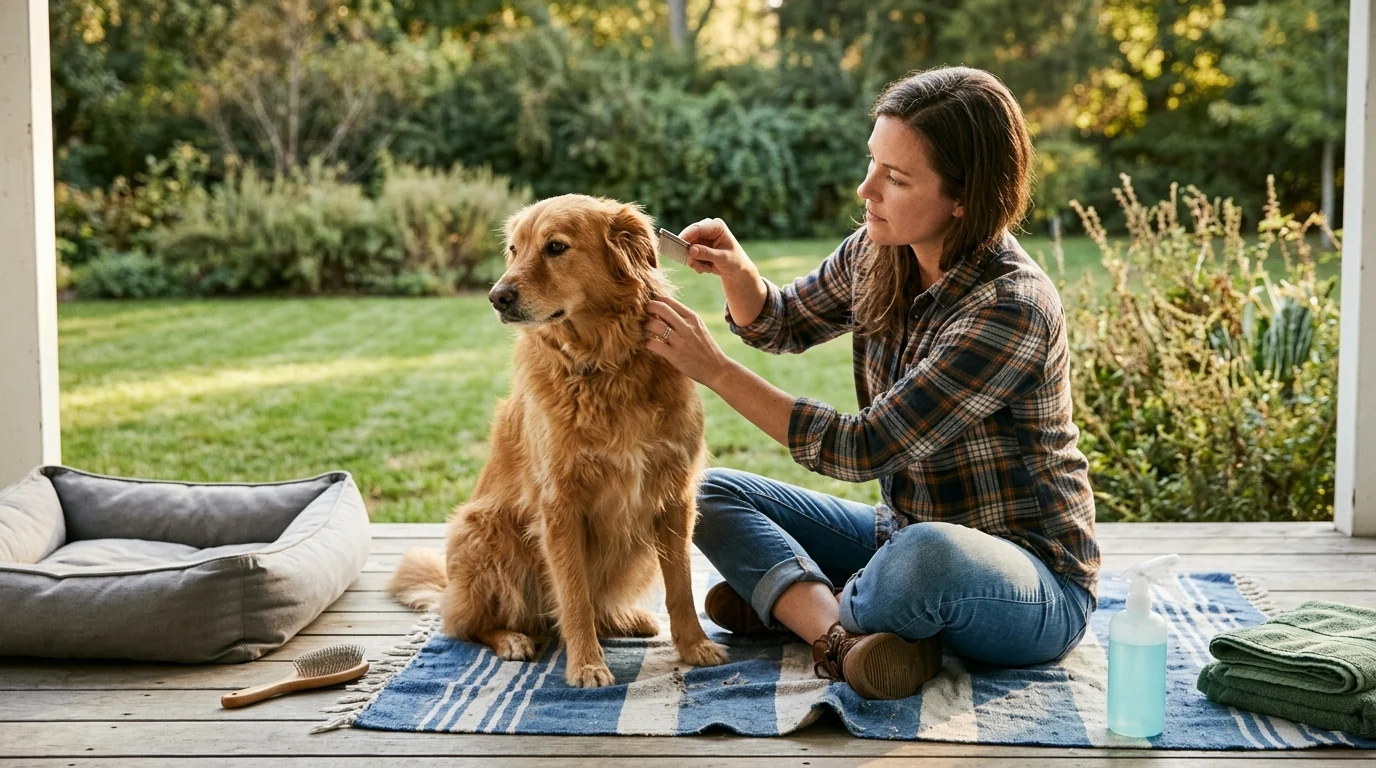
Flea-Free and Tick-Safe Care for Dogs: A Practical, Natural Prevention Plan
Fleas and ticks thrive when routine prevention slips—especially during warm months or after hikes, dog parks, and backyard play. A safer plan combines regular checks, home hygiene, and dog-friendly repellents that match your dog’s age, coat type, and lifestyle. Below is a practical weekly system that focuses on prevention first, explains what to avoid, and clarifies when natural steps are enough versus when it’s time to call your veterinarian.
Why Fleas and Ticks Keep Coming Back
Reinfestations happen because parasites don’t live only on your dog. Fleas multiply quickly, and many life stages (eggs and larvae) settle into carpets, bedding, and floor cracks. Ticks, on the other hand, “quest” in tall grass and brush—so one outing can mean multiple hitchhikers. In many parts of the U.S., mild winters and humid summers extend parasite season, which makes consistency more important than one-time treatment.
It’s also common for a dog to look “clean” while the home environment continues to seed new fleas. That’s why the most dependable natural approach is a three-part system: dog checks, indoor cleanup, and smarter outdoor habits.
Know the Risks: More Than Itching
Fleas and ticks are more than a nuisance. Flea bites can trigger flea allergy dermatitis, leading to intense itching, hair loss, scabs, and secondary skin infections. Heavy flea burdens may also contribute to anemia, particularly in puppies and very small dogs.
Ticks can transmit diseases such as Lyme disease and ehrlichiosis, with risk varying by region and season. Some dogs also develop painful hotspots after repeated scratching and chewing, which can escalate quickly and require veterinary treatment.
Daily and Weekly Routine That Makes Prevention Easier
Daily (2–5 minutes)
After outdoor time, do a quick coat scan with your hands and eyes. Focus on the ears, neck, armpits, groin, between toes, and under the collar—warm, hidden areas where ticks like to attach. Brushing helps remove debris and can reveal fleas early; a flea comb is especially useful on fine-coated areas and around the tail base.
Weekly (30–60 minutes total)
Wash dog bedding on hot (when the fabric allows) and dry thoroughly. Vacuum carpets, rugs, baseboards, and furniture edges, then empty the canister outdoors. In the yard, keep grass short, remove leaf litter, and limit access to dense brush—small changes that reduce the number of ticks waiting near your home.
Natural, Dog-Safe Options: What Helps and How to Use Them
Dog-Friendly Prevention Methods and When They’re Most Useful
| Method | Best for | How often | Notes and cautions |
|---|---|---|---|
| Flea comb + brushing | Early detection and mild flea pressure | Daily or after outings | Have a bowl of soapy water to drop fleas into; check behind ears and tail base. |
| Hot wash bedding + vacuum | Breaking the indoor flea cycle | Weekly (more during outbreaks) | Vacuum edges/under furniture; dispose of debris outdoors. |
| Yard maintenance | Reducing ticks near home | Every 1–2 weeks in season | Short grass, remove leaf piles, create a barrier between lawn and brush. |
| Dog-safe repellent spray/wipe | High-exposure walks/hikes | Before outings; per label | Avoid eyes/nose/mouth; patch-test; follow product instructions. |
| Post-walk tick check | Preventing tick attachment | After every outing | Remove ticks promptly with fine-tipped tweezers or a tick tool. |
| Bath + thorough dry | Reducing live fleas and soothing skin | As needed (not too frequent) | Overbathing can dry skin; choose gentle formulas made for dogs. |
Ingredients and Practices to Avoid
How to Remove a Tick Safely
Monitor the site for redness, swelling, or discharge, and call a veterinarian if your dog seems ill or the area worsens. For additional guidance, see the CDC’s tick prevention and removal resources.
When Natural Steps Aren’t Enough
In high-tick regions or for dogs with frequent exposure, veterinary-recommended preventives may be the most reliable protection. Seek veterinary guidance promptly if you notice possible tick-borne illness signs: fever, lethargy, limping, loss of appetite, or swollen joints. You can also review safety considerations for parasite products via the FDA’s flea and tick product safety information and regional risk insights through the Companion Animal Parasite Council (CAPC) guidelines.
A Simple 7-Day Reset Plan
Printable, Step-by-Step Help
A structured checklist makes routines easier to follow during peak season. For a simple, printable system that covers dog checks, home cleanup, yard habits, and safety notes in one place, see the Flea-Free and Tick-Safe Guide for Your Dog (digital eBook).
If you spend a lot of time on trails or road trips, a couple of convenience items can make routines easier to keep up with: Universal Car Steering Wheel Phone Mount for Safe Navigation (helpful for hands-free directions to parks and trailheads) and Armani Exchange Men’s Sneakers (a durable option for longer walks).
FAQ
How can fleas be prevented naturally without irritating a dog’s skin?
Focus on gentle, consistent grooming (brushing plus a flea comb), hot-washing bedding, and frequent vacuuming to reduce the indoor flea cycle. Choose dog-labeled, gentle products and patch-test any spray or wipe; avoid concentrated essential oils that can irritate skin or be toxic if licked.
What is the safest way to remove a tick from a dog?
Use fine-tipped tweezers or a tick tool, grasp close to the skin, and pull straight up with steady pressure. Clean the area afterward and monitor for swelling or illness; contact a veterinarian if symptoms develop.
Why do fleas keep returning even after treating the dog?
Flea eggs and larvae often live in the environment—carpets, bedding, and floor cracks—so treating only the dog can leave the life cycle intact. Consistent laundering and vacuuming are key, and reinfestation can also come from other pets or outdoor sources.
Recommended for you



Was this article helpful?
Yes
No









Leave a comment