-
Shop
- Advanced Technologies
- AI Skills for Creators & Freelancers
- AI Client Management
- AI Ethics
- AI Mindset
- AI Tools & Prompts
- AI Writing & Content Creation
- Audio, Voice & Music
- Design & Visual Creation
- Email, Messaging & Communication
- Freelancing & Business
- Marketing, Ads & Conversion
- Productivity, Workflow & Automation
- SEO & Search Optimization
- Social Media Content & Growth
- Strategy, Planning & Analytics
- Video Creation & Editing
- AI Skills Mastery 2026 Collection
- Bathroom
- Best-Sellers
- Car Accessories
- Confidence
- Dating & Social Skills
- Digital Resources
- Easter Products
- Education & Learning
- Family & Parenting
- Fashion
- Fashion Accessories
- Furniture
- Gadgets
- Health & Beauty
- Health & Wellness
- Home & Garden
- Home Electronics
- Home Supplies
- Jewelry
- Kids & Babies
- Kitchen
- Lighting
- Patio, Lawn & Garden
- Personal Growth
- Pet Care
- Pet Supplies
- Pets
- Shoes
- Smart Home Living Guides
- Sport & Outdoors
- Stress Relief & Relaxation
- Super Deals
- TikTok Growth & Monetization Mastery
- Travel
- Travel & Adventure
- Wealth
- Wellness
Travel Dupe Destinations: Hidden Gems Without the Crowds
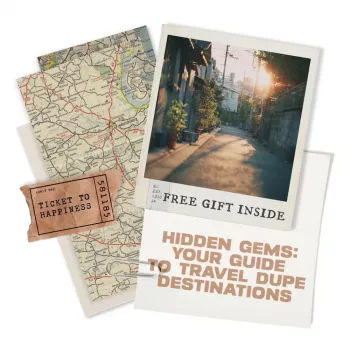
Hidden Gems: Travel Dupe Destinations for Iconic Trips Without the Crowds
Crowded landmarks and peak-season prices can drain the joy from a dream trip. Travel “dupe” destinations offer a similar vibe—architecture, beaches, mountains, food scenes, or nightlife—while often feeling calmer, more affordable, and easier to navigate. The goal isn’t settling for “second best.” It’s choosing a place where the same style of trip feels smoother: fewer lines, more tables available at dinner, and more room to linger in the moments that matter.
Below are practical ways to choose a great alternative, plus a curated set of destination swaps to spark planning. Before locking anything in, double-check entry requirements and safety updates through the U.S. Department of State – International Travel, especially if you’re combining multiple countries or traveling last-minute.
What Makes a Great Dupe Destination
A strong dupe isn’t random—it’s built around a clear “match factor” that mirrors what you loved about the original trip idea. Use these filters to spot swaps that will actually satisfy the same travel itch:
- A clear match factor: scenery, culture, climate, cuisine, or signature activities (sunset viewpoints, canal walks, vineyard tastings).
- Lower friction: fewer crowds, easier reservations, shorter lines, and better shoulder-season availability.
- Comparable photo moments: plus deeper local experiences like neighborhood markets, regional festivals, and small museums.
- Balanced trade-offs: a dupe may be quieter or less “iconic,” but can feel more authentic and flexible.
- Practical fit: similar trip length, budget level, and transportation style (walkable city, road trip, island hop).
If sustainability is part of your decision-making, look for destinations with responsible tourism infrastructure and clear visitor guidelines. A helpful baseline is the UNWTO guidance on sustainable development, which emphasizes community benefit and environmental care.
Dupe Destination Swaps (Quick Reference)
Use the table to shortlist options, then validate seasonality, flight routes, and visa requirements before booking. For each swap, consider best months, top neighborhoods/regions, and one “signature day” activity to anchor the itinerary.
| If you love… | Try this dupe destination | Why it works | Best for |
|---|---|---|---|
| Santorini, Greece | Milos, Greece | Whitewashed villages and turquoise coves with a quieter feel | Beach hopping, boat days |
| Amalfi Coast, Italy | Cilento Coast, Italy | Clifftop towns and coastal drives with fewer crowds | Road trips, slow food |
| Venice, Italy | Annecy, France | Canals and waterfront charm with alpine scenery nearby | Romantic weekends, cycling |
| Paris, France | Lyon, France | Grand architecture plus a standout food scene and river walks | Cuisine, museums |
| Barcelona, Spain | Valencia, Spain | Mediterranean energy, modern design, and beaches with more space | City + beach combo |
| Dubrovnik, Croatia | Kotor, Montenegro | Walled old towns and dramatic bays at a smaller scale | History, scenic viewpoints |
| Swiss Alps | Julian Alps, Slovenia | Lakes, hikes, and mountain vistas with friendlier budgets | Hiking, nature stays |
| Bali, Indonesia | Lombok, Indonesia | Surf and waterfalls with a calmer pace outside hotspots | Adventure, beaches |
| Kyoto, Japan | Kanazawa, Japan | Historic districts, gardens, and craft culture with fewer tour groups | Traditional towns, art |
| Reykjavik & Golden Circle, Iceland | Faroe Islands | North Atlantic drama, waterfalls, and moody landscapes | Epic scenery, photography |
How to Pick the Right Swap for Your Travel Style
- Start with the non-negotiable: beach time, mountains, nightlife, museums, food, or a specific aesthetic (pastel towns, rugged coastlines).
- Match the season: some dupes shine in shoulder months when the original is packed or expensive; check rainfall and temperatures.
- Check access: compare total travel time (flight + transfers). A dupe that requires fewer connections can be the real upgrade.
- Budget realistically: lodging may be cheaper, but transport (ferries, car rental) can change the final cost.
- Respect local capacity: favor places with responsible tourism infrastructure; book small tours, follow trail rules, and avoid sensitive sites.
- Build a signature day: one marquee activity (boat trip, summit hike, food tour) makes the swap feel intentional—not second-best.
One extra check that prevents disappointment: confirm what’s open on your dates. Smaller destinations can have limited opening hours or weekly closures, and that can change which neighborhood is most convenient to stay in.
Itinerary Building Blocks That Make a Dupe Feel Iconic
Dupes feel special when the schedule is built around moments, not just checkpoints. These building blocks work in almost any destination swap:
Common Mistakes to Avoid
If your dupe includes historic districts, churches, or protected landscapes, it’s worth understanding what’s considered culturally or environmentally sensitive. UNESCO’s resources can help you spot protected places and why they matter via the UNESCO World Heritage Centre.
A Handy Companion for Planning Dupe Destinations
- Hidden Gems: Your Guide to Travel Dupe Destinations – Discover Lesser-Known Spots for Popular Destinations ($15.99)
- Universal Car Steering Wheel Phone Mount for Safe Navigation ($1.80)
- Triple-Sided Ultra-Fine Soft Bristle Toothbrush for Enhanced Oral Health ($1.52)
FAQ
Are dupe destinations actually cheaper?
Often, but not always. Lodging and dining can be lower, while transport (car rental, ferries, or fewer flight options) can raise costs, so it’s best to compare the total trip budget rather than nightly rates alone.
How far in advance should dupe destinations be booked?
Shoulder season can be flexible, but smaller hotel inventory means popular weekends and summer months still sell out early. Booking key stays and any limited-capacity tours several months ahead keeps options open.
How can travel be more responsible in lesser-known places?
Follow local rules, stay on marked trails, choose locally owned guides and accommodations, and avoid turning fragile “secret spots” into overcrowded hotspots. Traveling in shoulder seasons and spreading visits across multiple areas can also reduce pressure on one community.
Recommended for you


Was this article helpful?
Yes
No









Leave a comment