-
Shop
- Advanced Technologies
- AI Skills for Creators & Freelancers
- AI Client Management
- AI Ethics
- AI Mindset
- AI Tools & Prompts
- AI Writing & Content Creation
- Audio, Voice & Music
- Design & Visual Creation
- Email, Messaging & Communication
- Freelancing & Business
- Marketing, Ads & Conversion
- Productivity, Workflow & Automation
- SEO & Search Optimization
- Social Media Content & Growth
- Strategy, Planning & Analytics
- Video Creation & Editing
- AI Skills Mastery 2026 Collection
- Bathroom
- Best-Sellers
- Car Accessories
- Confidence
- Dating & Social Skills
- Digital Resources
- Easter Products
- Education & Learning
- Family & Parenting
- Fashion
- Fashion Accessories
- Furniture
- Gadgets
- Health & Beauty
- Health & Wellness
- Home & Garden
- Home Electronics
- Home Supplies
- Jewelry
- Kids & Babies
- Kitchen
- Lighting
- Patio, Lawn & Garden
- Personal Growth
- Pet Care
- Pet Supplies
- Pets
- Shoes
- Smart Home Living Guides
- Sport & Outdoors
- Stress Relief & Relaxation
- Super Deals
- TikTok Growth & Monetization Mastery
- Travel
- Travel & Adventure
- Wealth
- Wellness
Color-Blocked Dog Parka Jumpsuit for Cold, Wet Walks
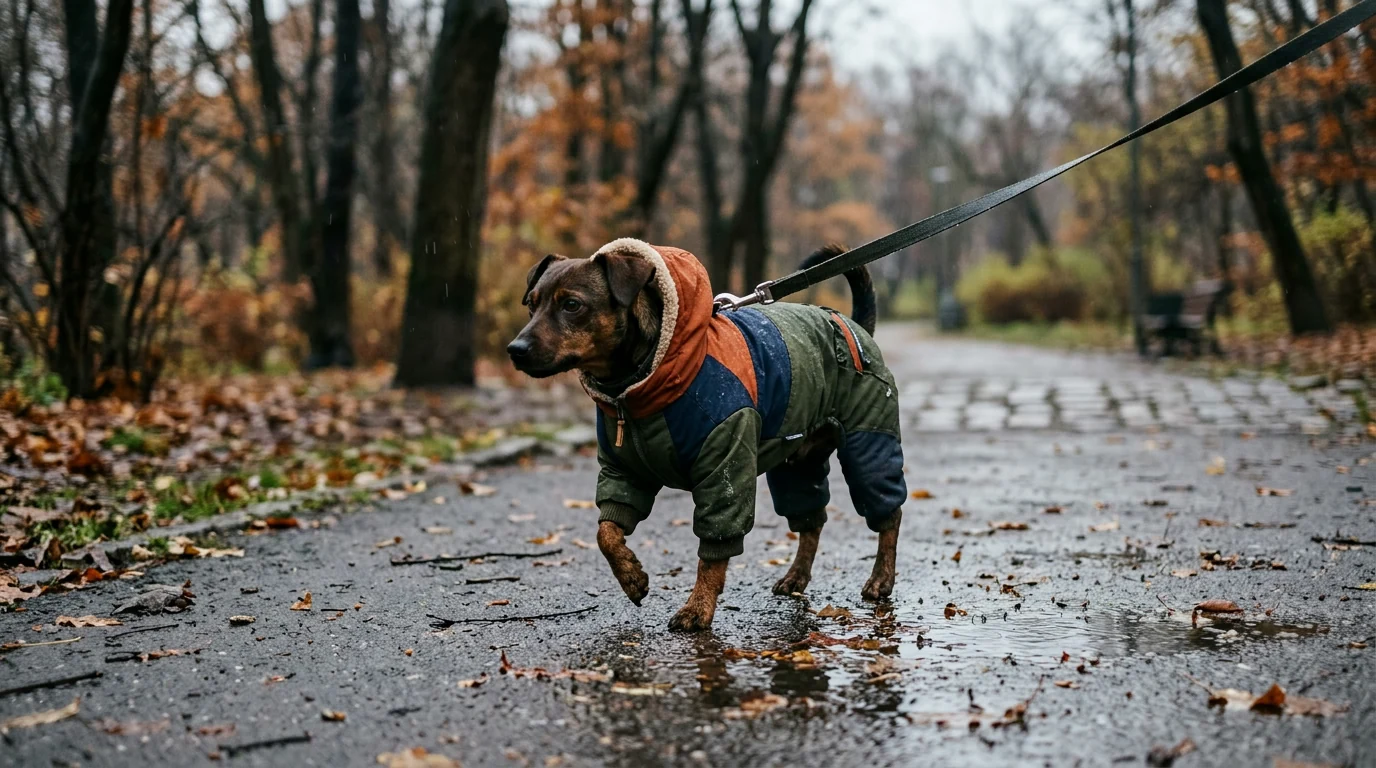
Autumn Winter Color-Blocked Dog Parka Jumpsuit
Cold, wet days can turn walks into a struggle—especially for small breeds, short-haired dogs, and seniors. A parka-style jumpsuit helps retain warmth, reduces wind chill, and keeps splashes and slush off the belly and legs. This color-blocked design adds a bright, sporty look while aiming to keep your dog comfortable and easier to spot on gloomy mornings and early sunsets. For more guidance, see Purdue University.
What This Jumpsuit Is Designed to Do
- Provide full-body coverage to help limit heat loss on brisk autumn and winter walks.
- Shield the chest and belly area from damp grass, puddles, and road spray.
- Offer a secure, close-to-body fit that’s less likely to flap in wind compared with looser coats.
- Add visual pop with color-blocking for a high-contrast, outdoor-ready style.
If your routine includes early-morning potty breaks, park walks on frosty grass, or quick errands on windy streets, a jumpsuit-style parka can reduce the “cold shock” many dogs feel when their underside gets hit with wet splash and chilly air. For further reading, see Toddler Checkered Outfit 4t Baby Girls Clothes Set Spring Autumn ….
Warmth, Coverage, and Comfort Considerations
Coverage matters most in the underbelly and chest, where cold water and slush hit first during walks. A jumpsuit can help keep those areas protected, while also reducing the amount of debris that sticks to fur on the legs and underside—especially helpful after rainy sidewalks or light snow.
- A jumpsuit-style garment can help reduce debris sticking to fur on legs and underside, which can be helpful after rainy or snowy outings.
- For dogs prone to overheating, use shorter walk durations and monitor panting; remove outerwear indoors to avoid trapped heat.
- If your dog has mobility limitations, prioritize easy-on closures and a fit that doesn’t bind at shoulders, hips, or armpits.
Cold-weather clothing is a supplement—not a substitute—for common-sense winter safety. For broader guidance on winter risks (including frostbite, hypothermia, and exposure), see the American Veterinary Medical Association’s cold weather pet safety advice and the American Kennel Club’s winter safety tips: AVMA, AKC.
Fit and Measuring Guide
Measure before buying: a warm suit that’s too tight can restrict movement; too loose can twist and rub. Key measurements are typically chest girth (widest point behind front legs), back length (base of neck to tail base), and neck girth. Leave room for natural movement—your dog should be able to sit, stretch, and take full strides without the fabric pulling at the shoulders or crotch.
If between sizes, choose based on chest girth first; it’s usually the limiting measurement for outerwear. When you’re checking fit at home, watch for a comfortable stride and make sure the garment doesn’t creep into the armpits with each step.
Quick measurement checklist
| Measurement | How to measure | Why it matters |
|---|---|---|
| Chest girth | Wrap tape behind the front legs at the widest point | Prevents tightness at the ribcage and armpits |
| Back length | From the base of the neck to the base of the tail | Helps keep coverage without riding up |
| Neck girth | Around the base of the neck where a collar sits | Supports comfort and reduces gaping at the neckline |
| Leg length (optional) | From armpit to wrist (front) and groin to hock (rear) | Improves full-leg coverage and reduces bunching |
Putting It On: A Smooth Routine for Dogs Who Dislike Clothing
Some dogs need a short adjustment period before a full-body suit feels normal. A calm, repeatable routine makes a big difference.
- Introduce the suit indoors for a few minutes at a time, pairing it with treats and calm praise to build positive association.
- Check for pinch points: armpits, groin, and around the neck are common friction areas.
- After the first walk, inspect the coat’s contact areas for redness or hair breakage; adjust sizing or layering if needed.
- Keep nails trimmed—snags are more likely when dogs “kick” to remove clothing.
Tip for first-time wearers: put the suit on right before an enjoyable activity (a short walk or a favorite sniff spot). Many dogs relax once they realize the clothing doesn’t limit their ability to explore.
When a Parka Jumpsuit Helps Most
Care and Seasonal Storage
Autumn Winter Color-Blocked Dog Parka Jumpsuit: At-a-Glance
For current photos and availability, visit the product page: Autumn Winter Color-Blocked Dog Parka Jumpsuit.
| Item | Detail |
|---|---|
| Name | Autumn Winter Color-Blocked Dog Parka Jumpsuit |
| Price | 19.51 USD |
| Availability | In stock |
You May Also Like
- Triple-Sided Ultra-Fine Soft Bristle Toothbrush for Enhanced Oral Health
- Universal Car Steering Wheel Phone Mount for Safe Navigation
- Armani Exchange Men’s Sneakers
FAQ
How snug should a dog parka jumpsuit fit?
Aim for a close fit that still allows a full stride and easy sitting without pulling. You should generally be able to slip two fingers under the fabric at the chest and neck, with no rubbing at the armpits or groin.
Can a dog wear a winter jumpsuit for long periods indoors?
It’s usually better to remove outerwear indoors to reduce the risk of overheating and skin irritation. If your dog starts panting, seems restless, or feels warm to the touch, take the jumpsuit off and let them cool down.
How can chafing be prevented with full-body dog clothing?
Prevent chafing by choosing the correct size, keeping the suit clean and dry, and avoiding tight leg openings. For sensitive dogs, a thin base layer can reduce friction, and it helps to check the skin after the first few wears.
Recommended for you

Was this article helpful?
Yes
No









Leave a comment