-
Shop
- Advanced Technologies
- AI Skills for Creators & Freelancers
- AI Client Management
- AI Ethics
- AI Mindset
- AI Tools & Prompts
- AI Writing & Content Creation
- Audio, Voice & Music
- Design & Visual Creation
- Email, Messaging & Communication
- Freelancing & Business
- Marketing, Ads & Conversion
- Productivity, Workflow & Automation
- SEO & Search Optimization
- Social Media Content & Growth
- Strategy, Planning & Analytics
- Video Creation & Editing
- AI Skills Mastery 2026 Collection
- Bathroom
- Best-Sellers
- Car Accessories
- Confidence
- Dating & Social Skills
- Digital Resources
- Easter Products
- Education & Learning
- Family & Parenting
- Fashion
- Fashion Accessories
- Furniture
- Gadgets
- Health & Beauty
- Health & Wellness
- Home & Garden
- Home Electronics
- Home Supplies
- Jewelry
- Kids & Babies
- Kitchen
- Lighting
- Patio, Lawn & Garden
- Personal Growth
- Pet Care
- Pet Supplies
- Pets
- Shoes
- Smart Home Living Guides
- Sport & Outdoors
- Stress Relief & Relaxation
- Super Deals
- TikTok Growth & Monetization Mastery
- Travel
- Travel & Adventure
- Wealth
- Wellness
Car Theft Prevention Checklist for Daily Driving & Travel
Lock It Before It’s Gone: Practical Car Theft Prevention for Daily Driving and Travel
Car theft usually succeeds through small gaps: a door that didn’t latch, a purse left in plain view, a predictable parking routine, or a key fob that’s easy to grab or relay. The most reliable way to reduce risk is to stack simple habits that remove temptation, increase the time and attention a thief needs, and improve recovery odds if the worst happens. The steps below work at home, on errands, on road trips, in hotel lots, and at crowded attractions.
Why cars get stolen (and what thieves look for)
Most thieves aren’t looking for a challenge—they’re looking for speed, cover, and low odds of getting caught. That’s why “small” choices like where you park and what’s visible inside often matter as much as any device.
- Opportunity beats effort: Unlocked doors, keys left inside, and rushed “quick stops” are prime moments.
- Visibility matters: Bags, electronics, loose change, and even charging cables can signal “worth it,” leading to smash-and-grab break-ins.
- Predictable patterns raise risk: Parking in the same isolated spot, leaving at the same time daily, or warming up a car unattended creates repeatable chances.
- Key access is a common weak point: Spare keys in the vehicle, poorly handled valet keys, or key fobs kept near entry doors can be exploited.
- Travel environments amplify risk: Unfamiliar neighborhoods, rental cars, and lots with constant turnover can make thieves bolder.
For broader theft trends and prevention resources, see guidance from the National Insurance Crime Bureau (NICB) and the NHTSA.
Layered security: habits that prevent most theft attempts
The goal is to make your vehicle look unprofitable, hard to access, and risky to linger around. These habits take seconds, but they remove the “easy win” that many thieves rely on.
- Lock every time: Even for “just a minute.” Don’t trust the beep—pull the handle to confirm.
- Remove temptation: Clear the cabin, hide cords, and move items to the trunk before you arrive.
- Keep keys controlled: Don’t leave a fob near doors/windows at home; store spare keys securely.
- Close common entry points: Fully shut windows, sunroof, and trunk; don’t idle unattended.
- Use lighting and visibility: Choose well-lit, high-traffic areas; park near entrances or cameras when possible.
- Make it harder to move: Turn wheels toward the curb on slopes and engage any steering lock feature.
Quick anti-theft checklist by situation
| Situation | Do this before walking away | Extra step for higher-risk areas |
|---|---|---|
| Gas station / convenience stop | Lock doors; keep keys in hand; hide items before arriving | Park near storefront windows; avoid leaving engine running |
| Hotel / overnight travel | Clear cabin; lock; park under lights | Ask for camera-covered spots; use a steering lock if available |
| Shopping / attractions | Stow purchases in trunk before leaving the first store | Rotate parking location; choose busy rows near carts/foot traffic |
| Home driveway / street | Lock; keep keys away from doors; don’t store spare keys in the car | Use motion lighting; consider a visible deterrent like a wheel lock |
| Airport / long-term lot | No valuables; lock; take photos of parking location | Select monitored/attended lots; enable tracking features if available |
Travel-focused protection: rentals, road trips, and unfamiliar parking
Travel adds two risks: your routines get disrupted, and your car can look like a visitor’s car (especially rentals). A repeatable “parking routine” is the antidote.
- Treat rentals as high-visibility targets: Keep the cabin empty, and don’t leave rental paperwork with personal details on display.
- Build a consistent sequence: Arrive, scan for lighting/cameras/foot traffic, then unload and lock—same order every time.
- Move luggage early: Put bags in the trunk before reaching the hotel or rest stop so nobody sees you “loading valuables.”
- Limit address exposure: Avoid leaving documents with your home address or itinerary visible inside the vehicle.
- Do short, frequent checks: On multi-stop days, re-check locks and windows instead of relying on memory.
If you use your phone for navigation on trips, keeping it stable can reduce rushed exits and distraction at arrival. A simple accessory like the Universal Car Steering Wheel Phone Mount for Safe Navigation helps keep directions visible so you can park deliberately, secure the car, and walk away without juggling devices.
Key and entry security: reducing “easy access” thefts
Many thefts start with key access—either physically stolen keys or electronic attacks that exploit how keys are stored and handled. Tightening key security removes one of the biggest “shortcuts.”
Deterrents and add-ons: what helps and what’s mostly theater
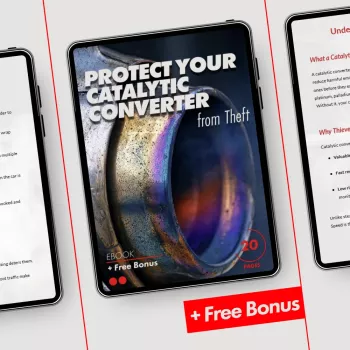
For a structured, printable approach that standardizes these steps across errands and travel, use Lock It Before It’s Gone | Car Theft Prevention Guide, Vehicle Security eBook, Smart Anti-Theft Checklist for Drivers & Travelers.
If theft or break-in happens: immediate steps that improve outcomes
Turn prevention into a repeatable routine
FAQ
Does leaving valuables in the trunk prevent break-ins?
It helps only if you place items in the trunk before you park and nothing in the cabin hints that valuables are inside. If someone sees you move bags to the trunk after arriving, the trunk becomes the obvious target.
What’s the single most effective habit to prevent car theft?
Consistency: lock every time, keep the cabin clear, and keep keys controlled. Layered habits beat any single device because they reduce opportunity and increase the effort required.
What should be done first after discovering a stolen vehicle?
Get to a safe location and contact police right away, then gather and share key identifiers like the VIN and plate number. After that, notify your insurance (and rental company if applicable) and secure any accounts or keys that could be used for further access.
Recommended for you

Was this article helpful?
Yes
No









Leave a comment