-
Shop
- Advanced Technologies
- AI Skills for Creators & Freelancers
- AI Client Management
- AI Ethics
- AI Mindset
- AI Tools & Prompts
- AI Writing & Content Creation
- Audio, Voice & Music
- Design & Visual Creation
- Email, Messaging & Communication
- Freelancing & Business
- Marketing, Ads & Conversion
- Productivity, Workflow & Automation
- SEO & Search Optimization
- Social Media Content & Growth
- Strategy, Planning & Analytics
- Video Creation & Editing
- AI Skills Mastery 2026 Collection
- Bathroom
- Best-Sellers
- Car Accessories
- Confidence
- Dating & Social Skills
- Digital Resources
- Easter Products
- Education & Learning
- Family & Parenting
- Fashion
- Fashion Accessories
- Furniture
- Gadgets
- Health & Beauty
- Health & Wellness
- Home & Garden
- Home Electronics
- Home Supplies
- Jewelry
- Kids & Babies
- Kitchen
- Lighting
- Patio, Lawn & Garden
- Personal Growth
- Pet Care
- Pet Supplies
- Pets
- Shoes
- Smart Home Living Guides
- Sport & Outdoors
- Stress Relief & Relaxation
- Super Deals
- TikTok Growth & Monetization Mastery
- Travel
- Travel & Adventure
- Wealth
- Wellness
Local Driving Regulations: Signs, Right-of-Way & Speed
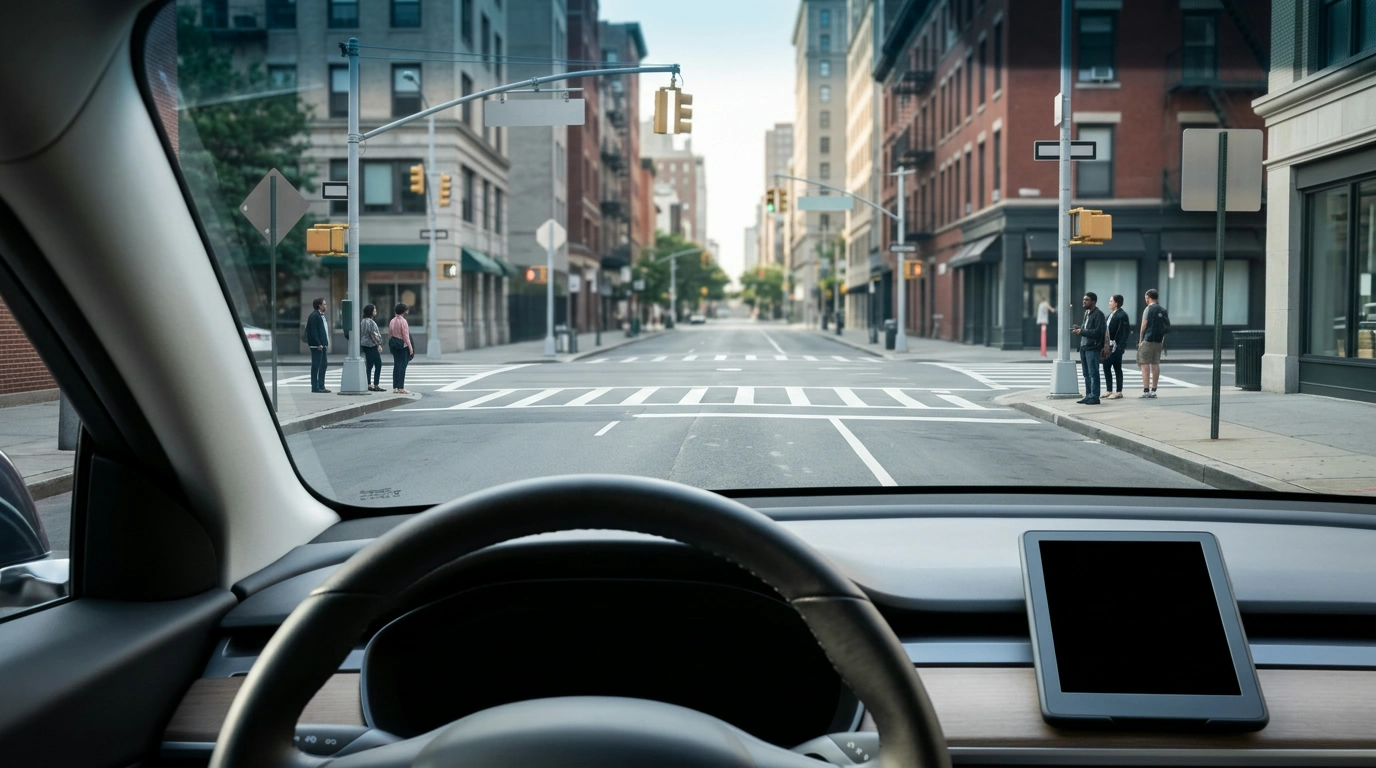
Understanding Local Driving Regulations: Practical Road Rules for New and Everyday Drivers
Driving rules can feel inconsistent from one place to another, but most regulations follow predictable patterns: posted signs, right-of-way logic, speed management, and enforcement basics. The goal isn’t memorizing every exception—it’s building a repeatable way to read the road, confirm what applies locally, and drive smoothly without second-guessing.
What “local driving regulations” usually cover
Most jurisdictions organize driving laws into a few buckets. Once you know the categories, it’s easier to look up what you need and spot what’s different in a new city or state.
- Licensing and permit rules: learner restrictions, graduated licensing stages, renewal cycles, and required documents.
- Vehicle requirements: registration, inspections, emissions programs, and required equipment (lights, plates, reflectors).
- Behavior rules: right-of-way, lane use, turning, passing, signaling, following distance, and yielding to pedestrians or transit.
- Speed rules: posted limits plus the “drive to conditions” expectations for rain, fog, snow, and heavy traffic.
- Enforcement and penalties: citations, points, fines, suspension triggers, and roadside checks where applicable.
For a clear reference you can skim by situation (intersections, signs, and speed zones), keep a single guide handy like Understanding Local Driving Regulations (eBook).
Reading signs and markings without guessing
When something feels “different,” it’s usually because the road is telling you exactly what to do—via signs, lane lines, arrows, and signals. The trick is trusting the controls more than habit.
- Prioritize regulatory signs: STOP, YIELD, DO NOT ENTER, ONE WAY, turn restrictions, and lane-control signals override what you’re used to.
- Treat pavement markings as instructions: arrows and lane lines often matter as much as signs, especially near intersections.
- Watch for time-based rules: parking, turn restrictions, HOV/express lanes, and school-zone schedules can change by hour and day.
- Use a repeatable scan pattern: far ahead (signals), mid-range (signs), near (markings), then mirrors (surrounding traffic).
Common road controls and what they require
| Control | What it means | Typical mistakes to avoid |
|---|---|---|
| Stop sign | Full stop before the limit line/crosswalk; proceed when safe | Rolling stops; stopping past the line; failing to yield to pedestrians |
| Yield sign | Slow and be prepared to stop; give right-of-way to conflicting traffic | Assuming yield means “merge without slowing” |
| Solid white line | Discourages lane changes; often marks lane edges or channelization | Crossing in intersections or gore areas |
| Solid yellow / double yellow | Separates opposing traffic; passing is restricted (double = no passing) | Passing on hills/curves; crossing double yellow to overtake |
| Flashing yellow arrow | Turn permitted after yielding to oncoming traffic and pedestrians | Turning without confirming a gap; ignoring crosswalk users |
| Red light (right turn) | Often allowed after stop unless posted otherwise; must yield | Failing to stop first; missing “No Turn on Red” signs |
Right-of-way made simple
Right-of-way rules aren’t about “claiming” space—they’re about preventing two people from choosing the same space at the same time. When in doubt, slow down early and make your decision obvious.
- At 4-way stops: first to stop goes first; if tied, yield to the driver on the right; straight traffic typically goes before left turns when arriving together.
- When turning left: yield to oncoming traffic and pedestrians unless a protected signal explicitly gives you the turn.
- Crosswalks and pedestrians: expect pedestrians in urban areas and near transit stops; yield to pedestrians in or entering the crosswalk where required.
- Emergency vehicles: pull over and stop when required; also know your local “move over” expectations for stopped roadside responders.
- Buses and school buses: stopping rules and penalties can be strict—especially for school bus stop arms—so confirm the local rule before passing.
Speed rules that go beyond the posted number
Posted limits are only part of the expectation. Many places also apply a “basic speed” principle: even if you’re under the limit, you can still be driving too fast for conditions.
For more on staying focused behind the wheel, see NHTSA’s guidance on distracted driving.
Local differences that commonly surprise drivers
For a broader look at roadway standards and safety programs, the Federal Highway Administration (FHWA) is a useful starting point.
A quick pre-drive checklist for unfamiliar areas
If you use navigation often, a stable hands-free setup helps you keep your eyes up and your hands where they belong. Consider the Universal Car Steering Wheel Phone Mount for Safe Navigation for quick, glanceable directions without juggling your device.
Practical learning support for confident, consistent driving
Intersection errors are a major source of serious crashes, so it’s worth reviewing how risk climbs when drivers push signals. The Insurance Institute for Highway Safety (IIHS) overview of red-light running offers helpful context.
Recommended in-stock resources
- Understanding Local Driving Regulations | Easy Guide to Local Driving Regulations Explained | Practical Road Rules eBook for New & Everyday Drivers
- Universal Car Steering Wheel Phone Mount for Safe Navigation
FAQ
How can local driving rules be confirmed before traveling to a new city or state?
Use official sources first: the state driver handbook, DMV/licensing authority pages, and local transportation department updates. For city-specific issues like parking or turn restrictions, check municipal traffic/parking codes and remember that posted signs at the location override general assumptions.
Is turning right on red always legal?
No. A common rule allows it only after a complete stop and yielding to pedestrians and cross traffic, but many intersections restrict it with signs and some jurisdictions prohibit it more broadly.
What is the safest way to use navigation without breaking phone-use rules?
Set your destination before you start moving, use voice guidance, and keep the phone mounted so you’re not handling it while driving. If you need to change the route, pull over and park in a safe, legal spot first.
Recommended for you


Was this article helpful?
Yes
No









Leave a comment