-
Shop
- Advanced Technologies
- AI Skills for Creators & Freelancers
- AI Client Management
- AI Ethics
- AI Mindset
- AI Tools & Prompts
- AI Writing & Content Creation
- Audio, Voice & Music
- Design & Visual Creation
- Email, Messaging & Communication
- Freelancing & Business
- Marketing, Ads & Conversion
- Productivity, Workflow & Automation
- SEO & Search Optimization
- Social Media Content & Growth
- Strategy, Planning & Analytics
- Video Creation & Editing
- AI Skills Mastery 2026 Collection
- Bathroom
- Best-Sellers
- Car Accessories
- Confidence
- Dating & Social Skills
- Digital Resources
- Easter Products
- Education & Learning
- Family & Parenting
- Fashion
- Fashion Accessories
- Furniture
- Gadgets
- Health & Beauty
- Health & Wellness
- Home & Garden
- Home Electronics
- Home Supplies
- Jewelry
- Kids & Babies
- Kitchen
- Lighting
- Patio, Lawn & Garden
- Personal Growth
- Pet Care
- Pet Supplies
- Pets
- Shoes
- Smart Home Living Guides
- Sport & Outdoors
- Stress Relief & Relaxation
- Super Deals
- TikTok Growth & Monetization Mastery
- Travel
- Travel & Adventure
- Wealth
- Wellness
Budget New Home Decor: A Cohesive Room-by-Room Plan

Decorating Your New Home on a Budget: A Room-by-Room Plan for a Stylish, Cohesive Look
A new place can feel unfinished until the rooms work together—yet big-box shopping sprees rarely create a cohesive home (or a healthy bank balance). The easiest way to get a pulled-together look is to make a simple whole-home plan first, then tackle each room in the same order: function, layout, lighting, textiles, and finally decor. The result feels intentional, not “random,” even when you’re mixing budget finds, hand-me-downs, and resale pieces.
Start With a Simple Whole-Home Plan
Before you buy anything, decide what “cohesive” means for your home in plain language. Pick a direction you can repeat without overthinking—warm modern, cozy neutral, vintage eclectic—then commit to a small set of rules so purchases naturally fit together.
- Choose a limited palette: 1–2 neutrals, 1 main accent color, and 1 consistent metal or wood tone. Repeating these across rooms instantly ties spaces together.
- Measure everything: jot down room dimensions, ceiling height, window widths, and where outlets land. A quick sketch with door swings prevents costly mistakes.
- Set non-negotiables: comfort, lighting, and storage come first. “Cute stuff” waits until the basics are handled.
- Create shopping rules: note preferred materials (washable textiles, matte black hardware, warm oak tones), max sizes for rugs/art, and colors you’ll actually repeat.
Example Budget Split for a New-Home Refresh
| Category | What It Covers | Suggested Share |
|---|---|---|
| Paint + supplies | Walls, trim touch-ups, rollers/brushes, painter’s tape | 15–25% |
| Lighting | Bulbs, lamps, one statement fixture if needed | 10–20% |
| Textiles | Curtains, rugs, pillows, bedding, towels | 20–30% |
| Furniture (key pieces) | Sofa/bed/dining seating—only what’s essential | 25–40% |
| Decor + organization | Art, mirrors, baskets, shelf styling, hooks | 10–15% |
High-Impact Updates That Cost Less Than They Look
- Paint strategically: start with the most visible walls, and match the same white trim across rooms to unify the entire home.
- Swap small hardware: cabinet pulls, doorknobs, and switch plates can make an older space feel newly updated in an afternoon.
- Layer lighting: combine overhead light + task light + a warm ambient lamp to make the room feel finished and livable.
- Go bigger with textiles: the right rug size and curtain panels hung high (near the ceiling) create a custom look without custom costs.
- One anchor statement per room: choose a single “wow” item (mirror, oversized art, bold lamp), then keep the rest calm and repeatable.
For bulb efficiency and choosing the right type of lighting, use the practical guidance from ENERGY STAR’s lighting resources.
Living Room: Comfort First, Styling Second
Start with the layout, not the accessories. A living room that flows well feels more expensive than one that’s full of decor but awkward to use.
- Place seating around a focal point: a window, TV wall, or fireplace works—just keep walkways clear so the room feels open.
- Go big-to-small: rug first (largest you can reasonably fit), then sofa/primary chair, then tables, then accents.
- Make mismatched pieces look intentional: repeat one element—one wood tone, a consistent black metal, or a shared fabric color.
- Use a simple styling formula: 1 tray, 1 small stack of books, 1 natural element (plant), 1 personal object.
- Skip tiny wall art: choose one larger piece or a tight grid of smaller frames for a cleaner, more polished look.
Bedroom: A Restful Look With Minimal Purchases
- Build a calm base: solid bedding in a neutral + one accent color, then add texture with a throw and 2–3 pillows.
- Create symmetry cheaply: matching lampshades (even on different lamp bases) or matching plug-in sconces balance the room fast.
- Hang curtains to improve sleep: mount the rod wider than the window so the room feels larger and the light control improves.
- Fake a headboard: paint an arch behind the bed, hang a large textile, or use peel-and-stick panels for a focal point.
- Hide clutter: under-bed bins and closet baskets keep surfaces clear so the room reads more luxurious.
Kitchen and Dining: Make It Feel Updated Without Renovating
Bathroom: Clean, Coordinated, and Easy to Maintain
For a move-in refresh with safer household choices, check the EPA Safer Choice program.
Entryway and Hallways: Small Spaces With Outsized Impact
Smart Ways to Shop and Save Without Sacrificing Style
A Step-by-Step Weekend Makeover Timeline
A Practical Guide for Pulling It All Together
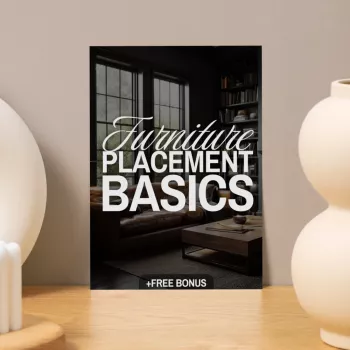
If you want a structured room-by-room plan with prompts and ready-to-apply styling rules, use the Affordable Home Makeover eBook: Decorating Your New Home on a Budget.
For a simple move-in essential that supports your reset routine while you set up the bathroom, consider the Triple-Sided Ultra-Fine Soft Bristle Toothbrush for Enhanced Oral Health.
FAQ
What should be bought first when decorating a new home on a tight budget?
Start with essentials that affect daily comfort and function: lighting, window coverings for privacy, a properly sized rug, and primary seating or a bed. Add decor after your layout is set so you don’t buy items that don’t fit the space.
How can a home look cohesive if furniture is mismatched?
Repeat a small set of elements across rooms: a consistent color palette, one metal finish, one wood tone, and a consistent frame style for art. Use textiles and lighting to bridge differences so the mix looks deliberate.
How much should be spent on a room makeover?
Use a percentage-based split instead of a fixed number, then prioritize paint, lighting, and textiles before upgrading furniture. Adjust the split based on which rooms you use most and where comfort matters daily.
Recommended for you


Was this article helpful?
Yes
No









Leave a comment