-
Shop
- Advanced Technologies
- AI Skills for Creators & Freelancers
- AI Client Management
- AI Ethics
- AI Mindset
- AI Tools & Prompts
- AI Writing & Content Creation
- Audio, Voice & Music
- Design & Visual Creation
- Email, Messaging & Communication
- Freelancing & Business
- Marketing, Ads & Conversion
- Productivity, Workflow & Automation
- SEO & Search Optimization
- Social Media Content & Growth
- Strategy, Planning & Analytics
- Video Creation & Editing
- AI Skills Mastery 2026 Collection
- Bathroom
- Best-Sellers
- Car Accessories
- Confidence
- Dating & Social Skills
- Digital Resources
- Easter Products
- Education & Learning
- Family & Parenting
- Fashion
- Fashion Accessories
- Furniture
- Gadgets
- Health & Beauty
- Health & Wellness
- Home & Garden
- Home Electronics
- Home Supplies
- Jewelry
- Kids & Babies
- Kitchen
- Lighting
- Patio, Lawn & Garden
- Personal Growth
- Pet Care
- Pet Supplies
- Pets
- Shoes
- Smart Home Living Guides
- Sport & Outdoors
- Stress Relief & Relaxation
- Super Deals
- TikTok Growth & Monetization Mastery
- Travel
- Travel & Adventure
- Wealth
- Wellness
Stainless Steel Clam Opening Pliers: Safe Easy-Grip Prep
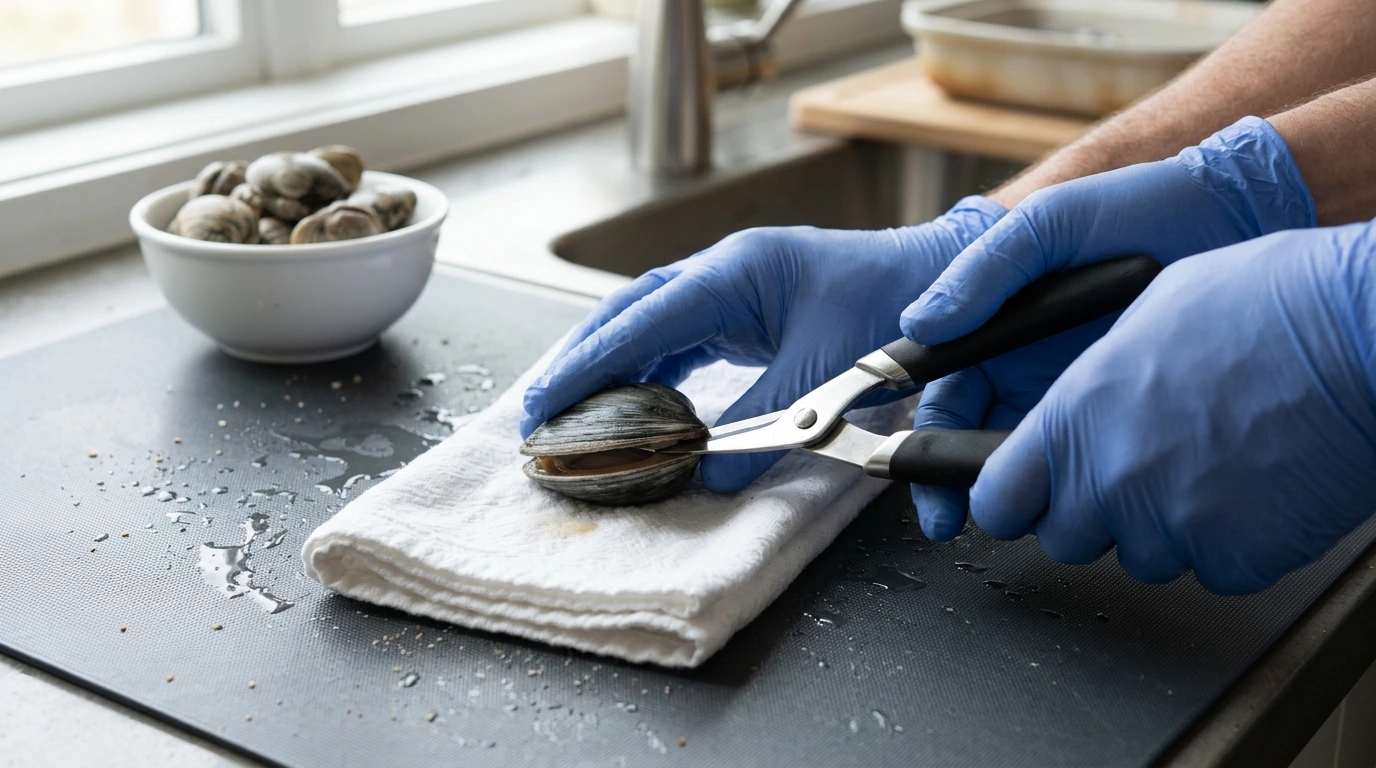
Stainless Steel Clam Opening Pliers for Safer, Easier Shellfish Prep
Opening clams (and similarly stubborn shellfish) can be messy, slippery, and surprisingly stressful on your hands—especially when you’re trying to avoid chipped shells, crushed meat, or a close call with a blade. Stainless steel clam opening pliers are built to give you steadier control, better leverage, and fewer “knife-tip” moments when a seam just won’t cooperate. For more guidance, see Environmental Impact Guidelines for New Source Canned and ….
For weeknight seafood boils, holiday pasta nights, or prep before steaming and grilling, a pliers-style opener helps separate shells with less hand strain and less risk of slipping. Pair that with a corrosion-resistant stainless steel build, and you’ve got a simple tool that’s easy to keep clean and ready for the next round. For further reading, see Seafood tools Seafood Tool Sets with Crab Claw Crackers and ….
What clam opening pliers are used for
- Assist with separating clam shells and prying stubborn edges without relying on a knife tip.
- Improve grip and leverage when working with wet, slick shells.
- Help reduce accidental slips that can happen with improvised tools.
- Useful for a range of shellfish sizes depending on hinge strength and shell thickness.
They’re especially helpful when the shell is tight at the hinge and you need controlled pressure rather than a sharp insertion. The goal is to get the shell started safely, then finish opening with steadier hand positioning.
Key design details that make a difference
- Stainless steel construction: Supports frequent washing and resists corrosion from saltwater exposure.
- Easy-grip handles: More control when hands are wet, when wearing kitchen gloves, or when you’re working quickly through a batch.
- Pliers-style leverage: Focuses force at the shell edge/hinge area rather than straining fingers and fingernails.
- Compact size: Stores easily in a utensil drawer, picnic kit, or seafood toolkit.
Small differences matter here. A secure grip and a predictable squeeze can feel much safer than prying with whatever happens to be in the knife block—especially on a slick cutting board.
How to use clam opening pliers safely
- Rinse first: Clean the shell exterior under cold running water to remove grit before opening.
- Stabilize the shell: Set the clam on a folded towel or non-slip cutting mat to prevent rolling.
- Work at the seam/hinge: Position the tool at the seam or hinge area and apply steady pressure instead of sudden twisting.
- Protect your hands: Keep fingers away from the shell edge as it separates; shells can chip and edges can be sharp.
- Rinse promptly: Rinse the tool immediately after use to remove salt and debris, then wash and dry thoroughly.
Food safety matters with shellfish: keep raw shellfish cold until cooking, avoid cross-contamination on boards and towels, and follow reliable guidance from sources like the U.S. Food & Drug Administration (FDA) and NOAA Fisheries.
Quick comparison: pliers vs. knife vs. dedicated shucker
Pliers-style openers emphasize leverage and grip. Shucking knives emphasize controlled blade entry. Improvised kitchen knives aren’t designed for shellfish seams and tend to be the least predictable option on wet shells.
Choosing an opening method for common kitchen situations
| Situation | Pliers-style opener | Shucking knife | Improvised kitchen knife |
|---|---|---|---|
| Wet shells, slippery workspace | High control with handle grip | Moderate control; requires technique | Low control; higher slip risk |
| Tough hinge or stubborn seam | Strong leverage for prying | Effective if blade can enter cleanly | Often difficult and unsafe |
| Beginner-friendly handling | Generally easier to manage pressure | Requires practice | Not recommended |
| Cleanup and care | Rinse, wash, dry; corrosion-resistant | Rinse, wash, dry; keep blade protected | Standard knife care; not designed for shellfish |
Care, cleaning, and longevity
- Wash with warm soapy water after each use; pay attention to hinge/joint areas where residue can collect.
- Dry completely to prevent water spots and keep the movement smooth.
- If the joint feels stiff, rinse thoroughly to remove trapped grit; avoid using food-unsafe lubricants.
- Store away from heavy tools that can bend alignment or nick gripping surfaces.
Stainless steel is low-fuss, but it still benefits from quick rinsing right after opening shellfish. Salt and sand can hide in joints and make a tool feel rough over time if it’s left to dry before rinsing.
Product spotlight: Stainless Steel Clam Opening Pliers – Easy Grip Seafood Shell Opener Tool
If you want a straightforward opener that prioritizes grip and control, the Stainless Steel Clam Opening Pliers – Easy Grip Seafood Shell Opener Tool is designed for exactly that. The pliers-style grip helps you apply pressure where it counts—at the seam/hinge—without overworking your fingers.
At-a-glance details
| Item | Detail |
|---|---|
| Product | Stainless Steel Clam Opening Pliers – Easy Grip Seafood Shell Opener Tool |
| Price | $9.01 USD |
| Availability | In stock |
| Product page | View product |
More in-stock picks
- Universal Car Steering Wheel Phone Mount for Safe Navigation
- Triple-Sided Ultra-Fine Soft Bristle Toothbrush for Enhanced Oral Health
FAQ
Can clam opening pliers be used on oysters and mussels?
They can help with grip and leverage on some mussels and certain smaller shellfish, but results vary by shell thickness and hinge style. For oysters, a dedicated oyster knife is often preferred for controlled entry and cleaner separation.
How do you clean and sanitize shellfish tools after use?
Wash tools with hot, soapy water and scrub around the hinge or joint where residue can hide, then rinse well and dry completely. Dishwasher suitability depends on the specific tool, but avoiding prolonged “wet storage” helps prevent spotting and stiffness.
What should be avoided when opening clams at home?
Avoid improvised sharp knives, rushing with sudden twists, and holding the clam in your palm while prying. Also avoid opening cracked or dead shellfish, and use a stable surface with a towel or cut-resistant glove for added safety.
Recommended for you

Was this article helpful?
Yes
No









Leave a comment