-
Shop
- Advanced Technologies
- AI Skills for Creators & Freelancers
- AI Client Management
- AI Ethics
- AI Mindset
- AI Tools & Prompts
- AI Writing & Content Creation
- Audio, Voice & Music
- Design & Visual Creation
- Email, Messaging & Communication
- Freelancing & Business
- Marketing, Ads & Conversion
- Productivity, Workflow & Automation
- SEO & Search Optimization
- Social Media Content & Growth
- Strategy, Planning & Analytics
- Video Creation & Editing
- AI Skills Mastery 2026 Collection
- Bathroom
- Best-Sellers
- Car Accessories
- Confidence
- Dating & Social Skills
- Digital Resources
- Easter Products
- Education & Learning
- Family & Parenting
- Fashion
- Fashion Accessories
- Furniture
- Gadgets
- Health & Beauty
- Health & Wellness
- Home & Garden
- Home Electronics
- Home Supplies
- Jewelry
- Kids & Babies
- Kitchen
- Lighting
- Patio, Lawn & Garden
- Personal Growth
- Pet Care
- Pet Supplies
- Pets
- Shoes
- Smart Home Living Guides
- Sport & Outdoors
- Stress Relief & Relaxation
- Super Deals
- TikTok Growth & Monetization Mastery
- Travel
- Travel & Adventure
- Wealth
- Wellness
Pocket Turbo Fan: 100-Speed Handheld Cooling Anywhere
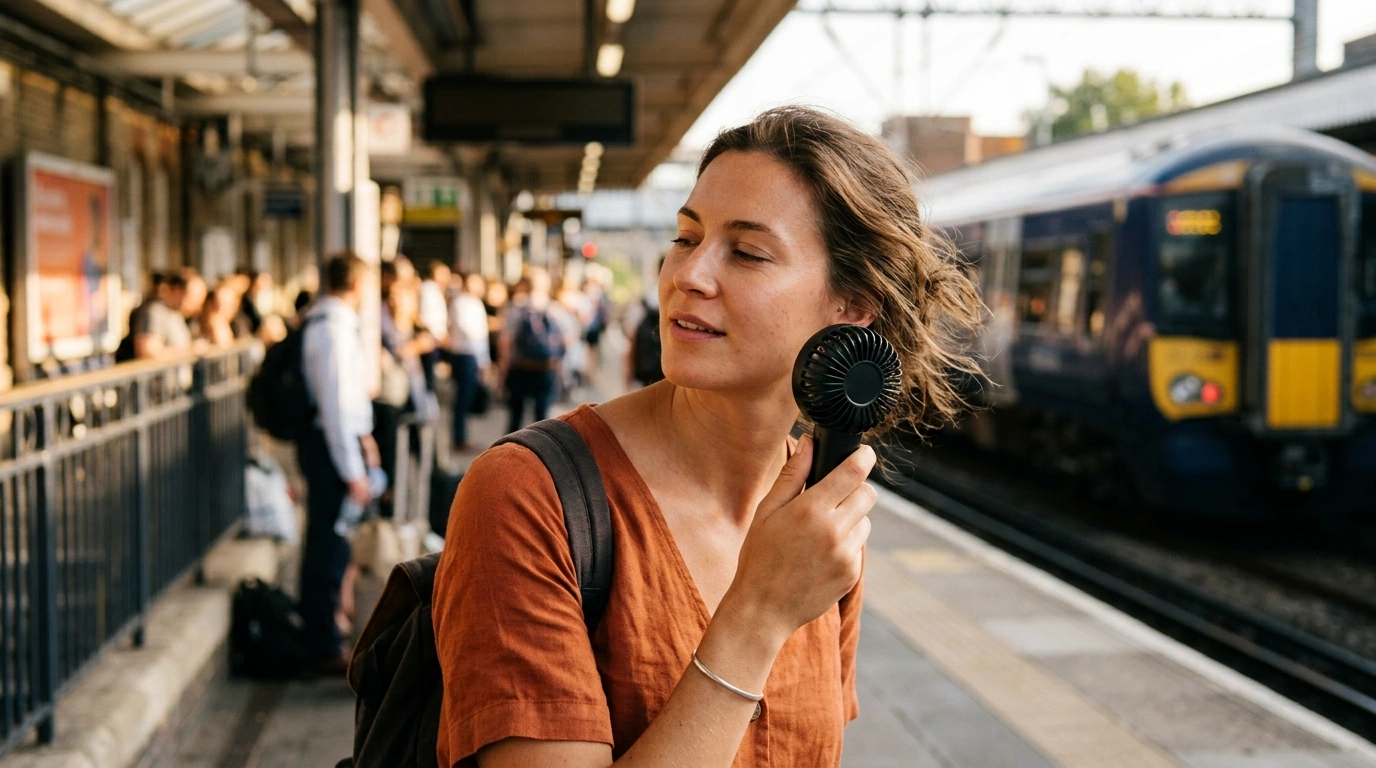
Portable Handheld Turbo Fan with 100 Adjustable Speeds: Mini Personal Cooling You Can Carry
A compact fan can make commutes, outdoor events, and warm indoor spaces far more comfortable—especially when airflow can be fine-tuned instead of limited to a few preset levels. This turbo-style handheld mini fan focuses on precise speed control, easy carry, and quick cooling for everyday personal use when you want relief within arm’s reach.
What Makes a Turbo-Style Handheld Fan Different
Turbo-style handheld fans are built to push a more concentrated stream of air than many small desk fans. That focused outlet can feel surprisingly strong for a compact device, especially when you’re using it up close while walking, waiting in line, or sitting in a sun-exposed spot.
- More focused airflow: A tighter air stream can feel “punchier” than wider-blade mini fans of similar size.
- Made for movement: A handheld format is ideal for on-the-go comfort—platforms, patios, queues, and crowded venues.
- More control over comfort: A wide speed range helps match changing conditions, from quiet indoor use to faster cooldown outside.
- Best for personal cooling: Performance is typically felt most within arm’s length, rather than across a whole room.
Speed Control: Why 100 Levels Can Feel More Comfortable
Most mini fans offer 2–3 settings, which often leads to the same frustration: one is too weak and the next is too intense. A 100-step range lets you dial airflow to the moment—especially helpful when you’re close to the fan and want comfort without irritation.
- Micro-adjustments reduce extremes: Incremental changes make it easier to find “just right.”
- Gentler close-range use: Lower settings can feel less drying on eyes and skin when used near the face.
- Mid-range for everyday tasks: Helpful for desk work, makeup application, and light indoor activity.
- High output when heat spikes: Stronger settings can improve comfort after outdoor activity or in humid weather.
Example Speed Uses (Comfort Guide)
| Speed Range | Best For | What It Feels Like |
|---|---|---|
| 1–20 | Quiet personal cooling, reading, bedtime wind-down | Gentle breeze, close-range comfort |
| 21–60 | Desk use, commuting, everyday warm rooms | Noticeable airflow without being harsh |
| 61–100 | Outdoor heat, post-workout, humid weather | Strong airflow for faster cooldown |
Everyday Situations Where a Mini Personal Fan Helps Most
A mini handheld fan shines when the environment is warm and stagnant, or when you’re moving between temperature changes. Instead of relying on whatever airflow happens to be around you, you can create a personal “bubble” of comfort in seconds.
- Commuting: Trains, buses, rideshares, and station platforms where airflow is limited.
- Outdoor events: Festivals, sports, parks, playgrounds, patio dining, and theme parks.
- Work and study: Hot offices, classrooms, workshops, or shared spaces with uneven AC.
- Travel: Hotel rooms with weak ventilation, sightseeing in warm climates, and long walks with luggage.
- Quick comfort boosts: Cooking near a stove, hair styling, or cooling down after errands.
For broader warm-weather comfort and safety guidance, the CDC’s heat stress resources offer practical tips on recognizing heat strain and supporting recovery. For general fan-use guidance and comfort considerations, see the U.S. Department of Energy overview on circulating fans.
Comfort and Practical Features to Look For
Small fans vary widely in how they feel during real use. Beyond raw airflow, comfort is about handling, sound level, and how easily you can keep the fan ready when you need it.
- Grip and balance: A stable, comfortable hold matters when using the fan for several minutes.
- Noise expectations: Higher airflow usually means more sound; a broad speed range helps find a tolerable level.
- Air outlet design: A focused stream can feel stronger, but many people prefer aiming slightly away from eyes.
- Charging convenience: USB charging is typically easiest for cars, power banks, and laptops.
- Portability details: Consider size/weight and whether it fits common bags, cupholders, or pockets.
Simple Tips for Better Cooling (Without Cranking It to Max)
Maximum speed can be useful, but it’s not always the most comfortable. A few small technique changes can make cooling feel stronger—even at moderate settings.
Recommended In-Stock Picks (Portable Comfort Essentials)
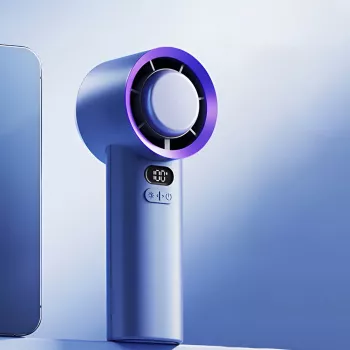
- Portable Handheld Turbo Fan – 100 Adjustable Speeds, Mini Personal Fan (in stock): close-range cooling with fine-tuned speed control for indoor, commute, and outdoor use.
- Universal Car Steering Wheel Phone Mount for Safe Navigation (in stock): helpful for navigation visibility during warm-weather drives and travel days.
- Armani Exchange Men’s Sneakers (in stock): a versatile option for walking-heavy days like sightseeing, events, and commutes.
Portable Handheld Turbo Fan – 100 Adjustable Speeds, Mini Personal Fan
- Wide speed range for dialing in comfort rather than settling for “low/medium/high.”
- Compact for carrying in a bag on commutes, travel days, and warm-weather outings.
- Best used as a personal fan within arm’s length for noticeable cooling.
- For the latest details, visit the product page.
Quick Snapshot
| Item | Details |
|---|---|
| Product | Portable Handheld Turbo Fan – 100 Adjustable Speeds, Mini Personal Fan |
| Price | 29.67 USD |
| Availability | In stock |
Care, Cleaning, and Safe Use
FAQ
Are 100 speed levels actually useful or just a gimmick?
They can be genuinely useful because the smallest adjustments help balance noise and airflow, especially at close range. Fine control also avoids the “too weak / too strong” jump that’s common with fans limited to a few preset levels.
How loud is a handheld turbo fan at higher speeds?
Sound typically increases as speed and air output rise. Many people use mid-range settings for a comfortable balance and save the highest levels for quick cooldowns or outdoor use where ambient noise is higher.
What’s the best way to use a mini fan without drying out eyes?
Angle the airflow toward your cheeks or neck instead of directly into your eyes, and start at lower speeds. Increasing distance and taking short breaks can also help keep eyes more comfortable.
Recommended for you
Was this article helpful?
Yes
No









Leave a comment